


Wang Huiran
Released Album
Miscellaneous
-
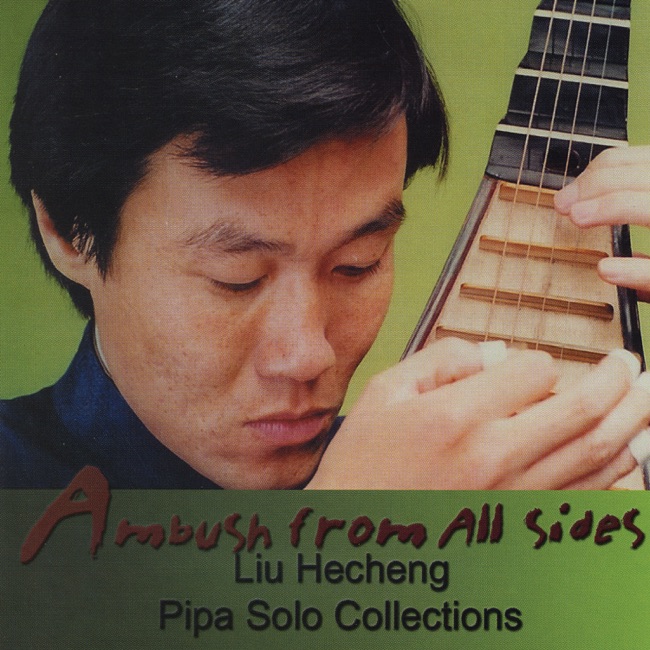 November 25, 2003
 -
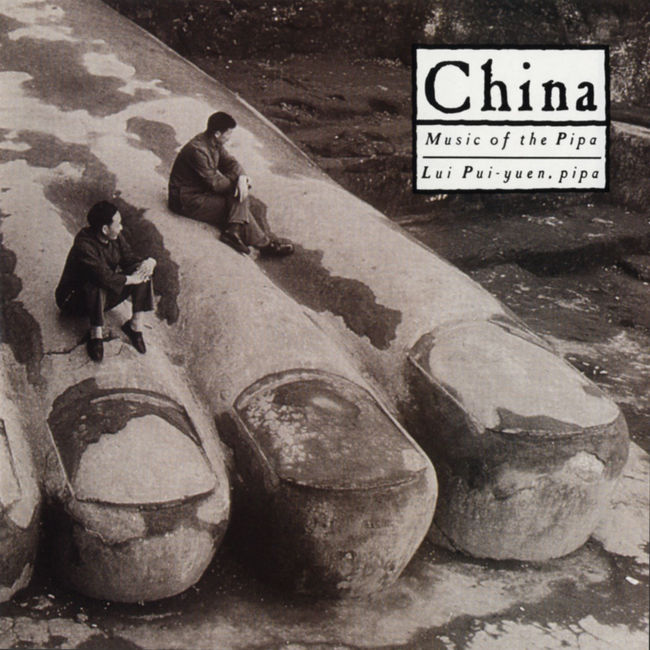 May 14, 1991
Chamber
-
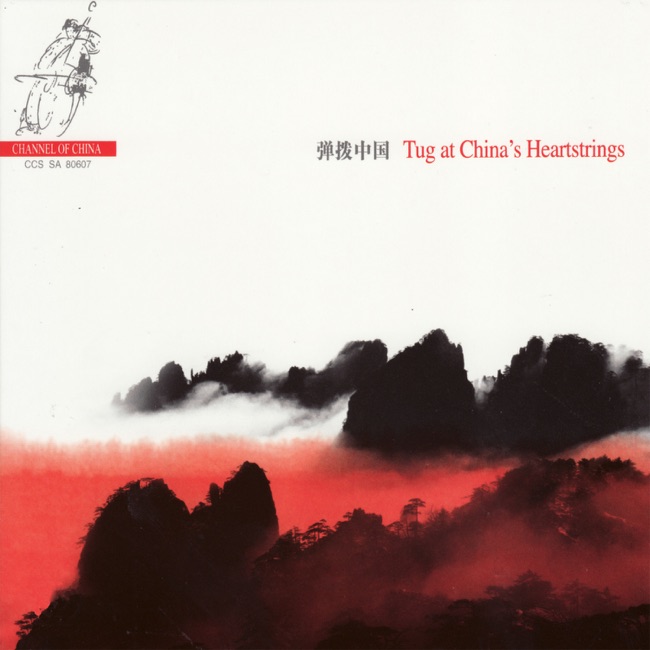 September 11, 2007
Artist Info
Role:ComposerWang Huiran was a Chinese composer who was born on December 25, 1918, in Shanghai, China. He was the youngest of six children in his family. His father was a businessman, and his mother was a housewife. Wang Huiran showed an early interest in music and began studying the piano at the age of six. He later studied composition at the Shanghai Conservatory of Music, where he was a student of Ding Shande. Wang Huiran's early compositions were influenced by Western classical music, particularly the works of Beethoven, Brahms, and Tchaikovsky. He also drew inspiration from Chinese folk music and traditional Chinese opera. His first major work was a piano concerto, which he composed while still a student at the Shanghai Conservatory. The concerto was well-received and helped establish Wang Huiran as a promising young composer. After graduating from the Shanghai Conservatory, Wang Huiran worked as a composer and music educator. He taught at several universities in China, including the Central Conservatory of Music in Beijing. He also served as the director of the Shanghai Symphony Orchestra and the China National Symphony Orchestra. Wang Huiran's compositions were known for their blend of Western and Chinese musical elements. He often incorporated traditional Chinese instruments, such as the erhu and pipa, into his orchestral works. He also wrote several operas that combined Western operatic techniques with Chinese themes and stories. One of Wang Huiran's most famous works is his Symphony No. 1, which he composed in 1957. The symphony is a tribute to the Chinese people and their struggle for independence and freedom. It is a powerful and emotional work that incorporates elements of Chinese folk music and Western classical music. The symphony was well-received in China and helped establish Wang Huiran as one of the country's leading composers. Another notable work by Wang Huiran is his opera The White-Haired Girl, which he composed in 1945. The opera tells the story of a young peasant girl who is forced to work as a slave for a wealthy landlord. The girl eventually escapes and joins the Communist Party, becoming a symbol of the struggle against oppression and exploitation. The opera was a huge success in China and has been performed countless times since its premiere. Wang Huiran's other works include several ballets, choral works, and chamber music pieces. He was also a prolific composer of film scores, writing music for over 100 Chinese films. His film scores were known for their ability to capture the mood and atmosphere of the films they accompanied. Wang Huiran's contributions to Chinese music were recognized with numerous awards and honors. He was awarded the title of "National First-Class Composer" by the Chinese government in 1956. He was also a member of the Chinese People's Political Consultative Conference and served as a delegate to the National People's Congress. Wang Huiran continued to compose and teach until his death on December 26, 2004, at the age of 86. His legacy as a composer and educator continues to inspire generations of Chinese musicians and music lovers.More....
Recent Artist Music
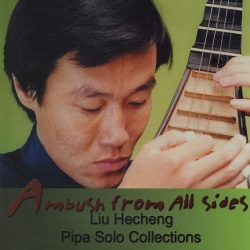

Copyright Ⓒ 2013 Davinci Finger. All rights reseved
Service Terms & Policy