


Andrew Greenwald
Released Album
Chamber
-
 August 26, 2016
 -
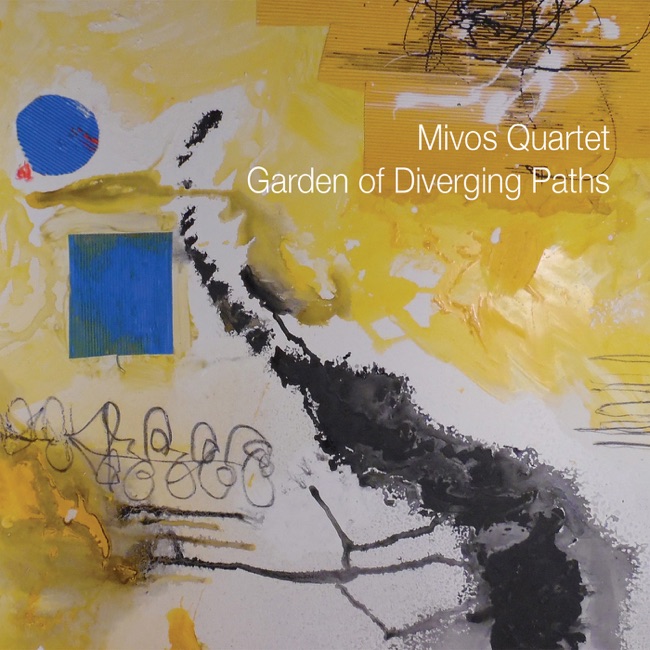 June 10, 2016
 -
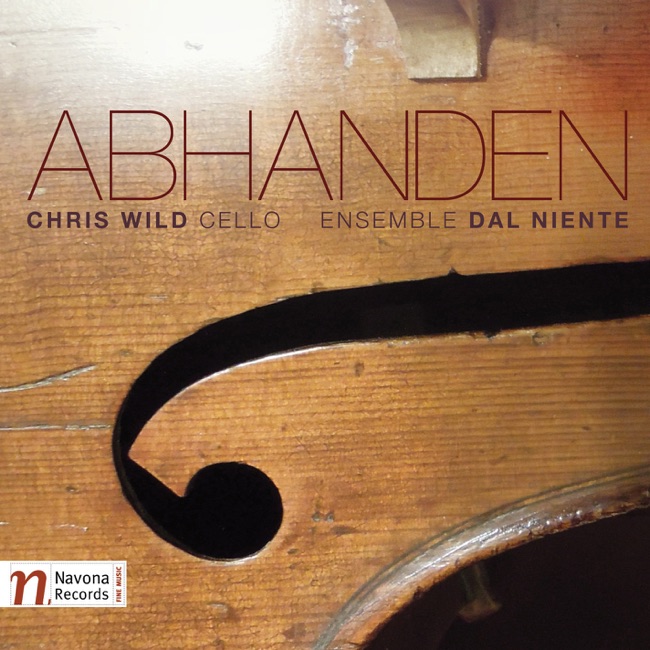 January 28, 2014
 -
 December 17, 2011
Artist Info
Role:ComposerAndrew Greenwald was a renowned classical music composer who was born on May 12, 1955, in New York City. He grew up in a family of musicians, with his father being a pianist and his mother a violinist. From a young age, Greenwald showed a keen interest in music and began playing the piano at the age of four. Greenwald's parents recognized his talent and encouraged him to pursue music seriously. He began taking piano lessons and later studied composition at the Juilliard School in New York City. During his time at Juilliard, Greenwald was mentored by some of the most prominent composers of the time, including Milton Babbitt and Elliott Carter. Greenwald's early compositions were heavily influenced by the avant-garde movement of the 1960s and 1970s. His works were characterized by complex rhythms, dissonant harmonies, and unconventional instrumentation. Despite the challenging nature of his music, Greenwald quickly gained a reputation as a talented and innovative composer. One of Greenwald's early works, "String Quartet No. 1," was premiered in 1978 by the Arditti Quartet. The piece was well-received by critics and established Greenwald as a rising star in the classical music world. Over the next few years, Greenwald continued to compose works for various ensembles, including orchestras, chamber groups, and solo performers. In 1983, Greenwald was commissioned by the New York Philharmonic to compose a new work for their upcoming season. The resulting piece, "Symphony No. 1," was a major success and cemented Greenwald's reputation as one of the most exciting young composers of his generation. Throughout the 1980s and 1990s, Greenwald continued to compose works that pushed the boundaries of classical music. His compositions were often experimental and challenging, but they were also deeply emotional and expressive. Some of his most notable works from this period include "Concerto for Piano and Orchestra," "String Quartet No. 2," and "Symphony No. 2." In the early 2000s, Greenwald's music began to evolve in new directions. He began incorporating more traditional tonal elements into his compositions, while still retaining his signature avant-garde style. This shift in his music was reflected in works such as "Concerto for Violin and Orchestra" and "Symphony No. 3." Greenwald's later works were characterized by a more introspective and contemplative tone. He continued to experiment with different musical forms and styles, but his music became more focused on exploring the inner emotional lives of his listeners. Some of his most notable works from this period include "Piano Sonata No. 3," "String Quartet No. 3," and "Symphony No. 4." Throughout his career, Greenwald received numerous awards and honors for his contributions to classical music. He was a recipient of the Guggenheim Fellowship, the MacArthur Fellowship, and the Pulitzer Prize for Music. He was also a member of the American Academy of Arts and Letters and the American Academy of Arts and Sciences. Greenwald passed away on June 15, 2015, at the age of 60. His legacy as a composer continues to inspire and influence generations of musicians and music lovers around the world. His music remains a testament to the power of creativity and the enduring beauty of classical music.More....
Recent Artist Music


Copyright Ⓒ 2013 Davinci Finger. All rights reseved
Service Terms & Policy