


Francisco Escudero
Released Album
Orchestral
-
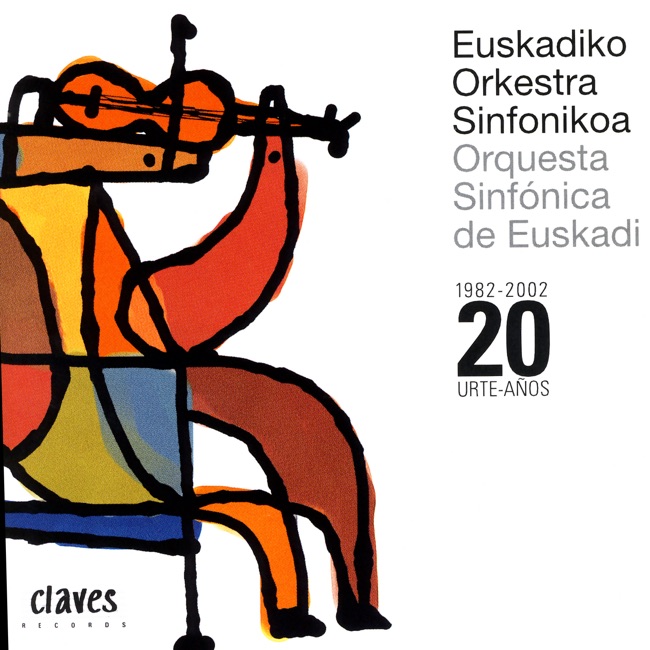 February 25, 2003
Vocal
-
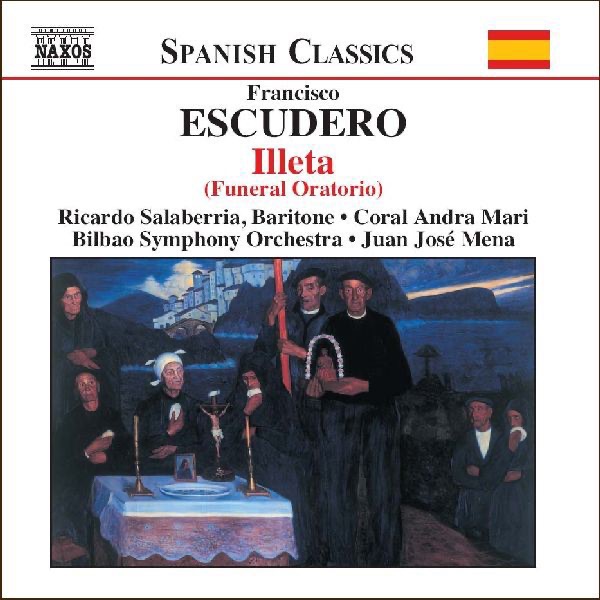 March 22, 2005
Artist Info
Role:ComposerBirth:1912Death:June 7, 2002 in San Sebastián, SpainPeriod:ModernGenre:ChoralConcertoOperaOrchestralSymphonyFrancisco Escudero was a renowned Spanish composer who made significant contributions to the world of classical music. He was born on October 25, 1912, in San Sebastián, Spain, to a family of musicians. His father, Juan Escudero, was a composer and conductor, and his mother, María de la Luz Aldaz, was a pianist. Francisco grew up in a musical environment and showed an early interest in music. Francisco received his first music lessons from his father and later studied at the San Sebastián Conservatory. He continued his studies in Madrid, where he studied composition with Conrado del Campo and conducting with Enrique Fernández Arbós. In 1936, he won a scholarship to study at the Accademia di Santa Cecilia in Rome, where he studied with Ildebrando Pizzetti. Escudero's early works were influenced by the Basque folk music he grew up with. He was particularly interested in the txistu, a traditional Basque flute, and incorporated its sound into many of his compositions. His early works include the Basque Dances for orchestra, which were premiered in 1935, and the Suite for txistu and orchestra, which was premiered in 1937. During the Spanish Civil War, Escudero served in the Republican Army and was captured by Franco's forces. He spent several years in prison, where he continued to compose music. After his release, he returned to San Sebastián and resumed his musical career. In the 1950s, Escudero's music began to gain international recognition. His works were performed in Europe and the United States, and he received commissions from prestigious orchestras and festivals. In 1953, he was awarded the National Music Prize by the Spanish government. One of Escudero's most famous works is his Symphony No. 2, which he composed in 1955. The symphony is based on Basque folk themes and features the txistu prominently. It was premiered in San Sebastián in 1956 and was later performed by the New York Philharmonic under the direction of Leonard Bernstein. Escudero's other notable works include the Concerto for Harp and Orchestra, which was premiered in 1961, and the opera La Farsa Mimada, which was premiered in 1964. He also composed several works for chamber ensembles, including the String Quartet No. 1, which was premiered in 1948. In addition to his work as a composer, Escudero was also a respected conductor. He conducted many of his own works and also led orchestras in Spain and abroad. He was particularly interested in promoting contemporary Spanish music and was a founding member of the Spanish Society of Contemporary Music. Escudero continued to compose and conduct until his death in 2002 at the age of 89. He left behind a legacy of innovative and expressive music that continues to be performed and admired today. His contributions to the world of classical music have earned him a place among the great composers of the 20th century.More....
Recent Artist Music
Copyright Ⓒ 2013 Davinci Finger. All rights reseved
Service Terms & Policy