


Amilcare Zanella
Released Album
Chamber
-
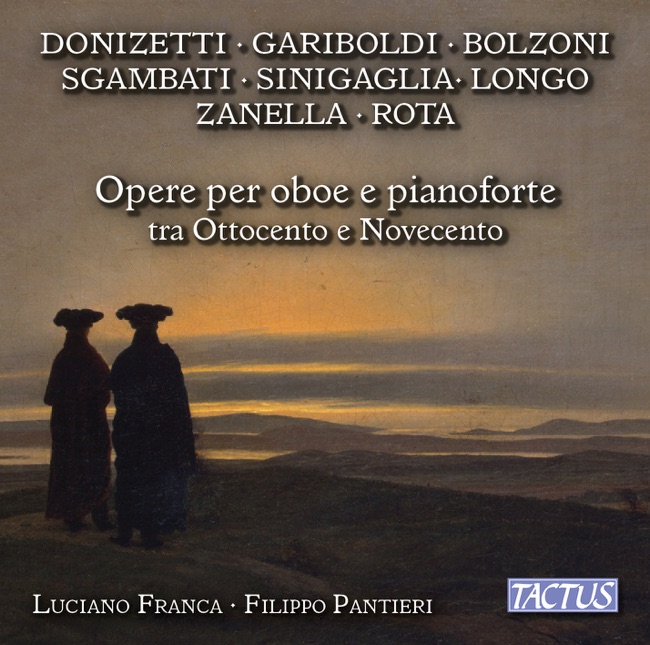
-
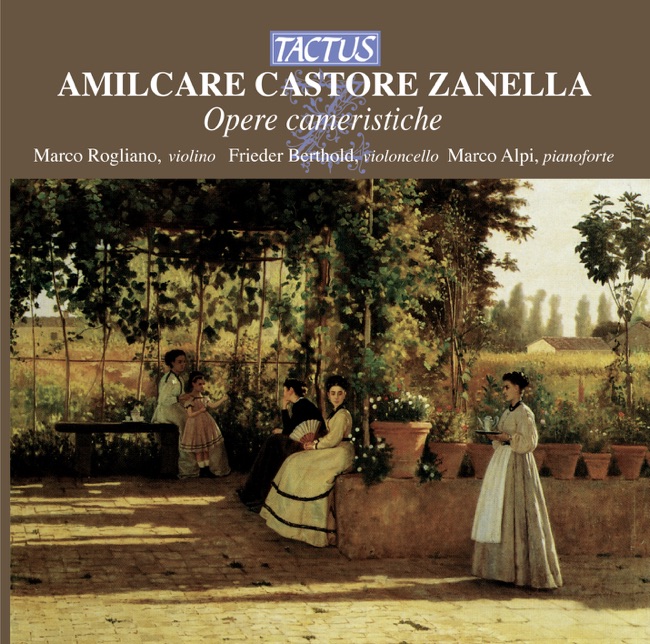 October 1, 2012
 -
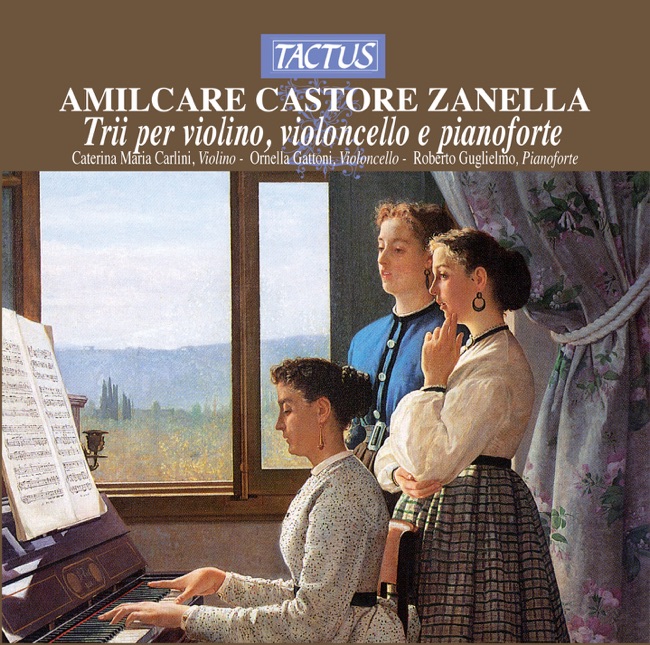 January 6, 2004
Keyboard
-
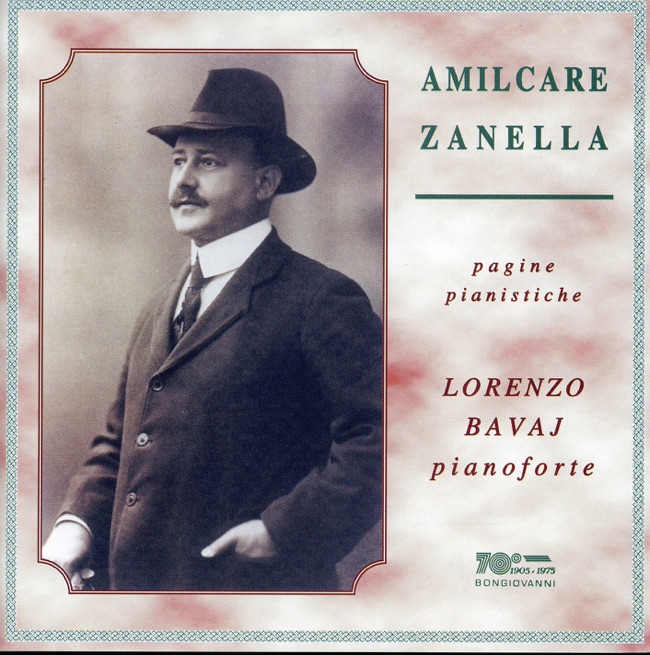 March 1, 2000
 -
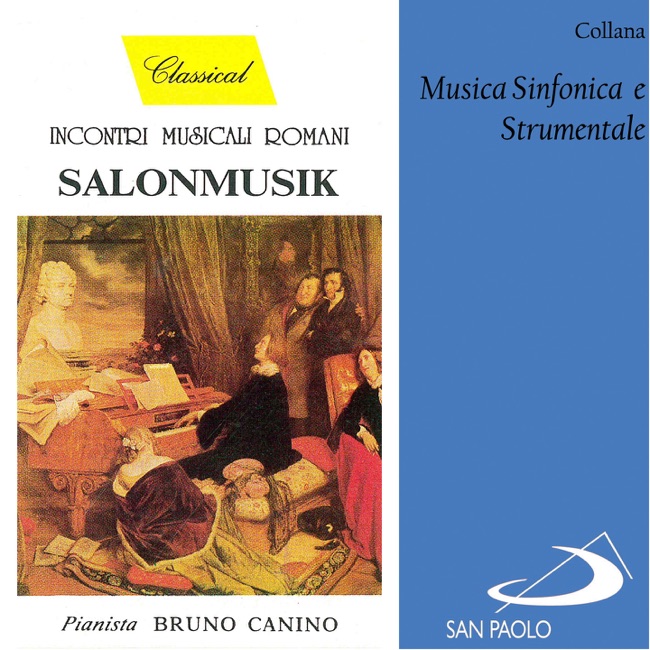 September 20, 1990
Artist Info
Role:ComposerBirth:September 26, 1873Death:January 9, 1949Period:ModernGenre:ChamberKeyboardAmilcare Zanella was an Italian composer born on October 28, 1862, in Montichiari, a small town in the province of Brescia. He was the son of a music teacher, and his father's influence played a significant role in his musical development. Zanella began studying music at a young age, and by the time he was a teenager, he was already composing his own works. Zanella's early musical education was primarily focused on the piano, but he soon began to explore other instruments and musical styles. He studied composition with the Italian composer Antonio Bazzini and later with the German composer Josef Rheinberger. Zanella's studies with Rheinberger were particularly influential, as he introduced Zanella to the music of Bach and other German composers. Zanella's early compositions were primarily for the piano, but he soon began to write for other instruments and ensembles. His first major work was a string quartet, which he composed when he was just 18 years old. The quartet was well-received, and it helped establish Zanella as a promising young composer. In 1884, Zanella moved to Munich, Germany, to continue his studies with Rheinberger. While in Munich, he became involved with the city's vibrant musical scene and began to establish himself as a composer. He wrote a number of works during this time, including a symphony, a piano concerto, and several chamber works. Zanella's music was heavily influenced by the German Romantic tradition, but he also incorporated elements of Italian folk music into his compositions. His music was characterized by its lyrical melodies, rich harmonies, and expressive use of orchestration. One of Zanella's most significant works is his opera "Francesca da Rimini," which he composed in 1893. The opera is based on the tragic love story of Francesca da Rimini and Paolo Malatesta, which is recounted in Dante's "Inferno." The opera was well-received and helped establish Zanella as a major figure in Italian opera. Zanella continued to compose throughout his life, and his later works reflect his growing interest in sacred music. He wrote a number of choral works, including several masses and motets, as well as a setting of the Stabat Mater. His sacred music is characterized by its simplicity and directness, and it reflects his deep faith and devotion. Zanella died on January 16, 1949, in Montichiari, the town of his birth. He left behind a significant body of work that reflects his deep love of music and his commitment to the Italian and German musical traditions. His music continues to be performed and appreciated today, and he is remembered as one of Italy's most important composers of the late 19th and early 20th centuries.More....
Recent Artist Music
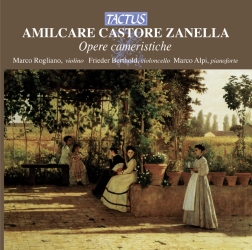
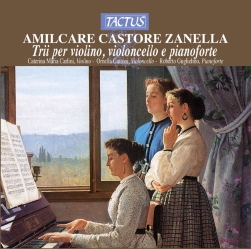
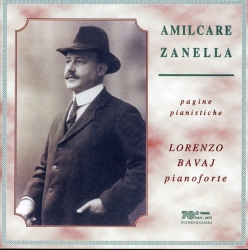
Copyright Ⓒ 2013 Davinci Finger. All rights reseved
Service Terms & Policy