


Günter Raphael
Released Album
Chamber
-
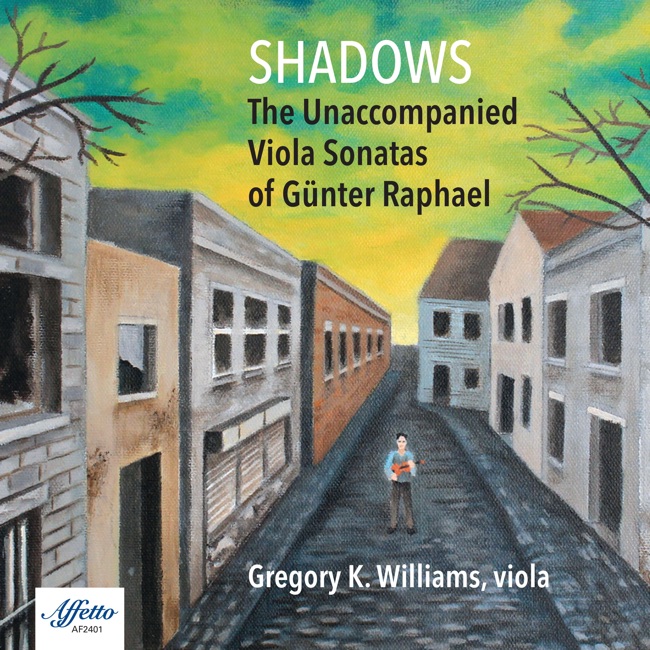 February 2, 2024
 -
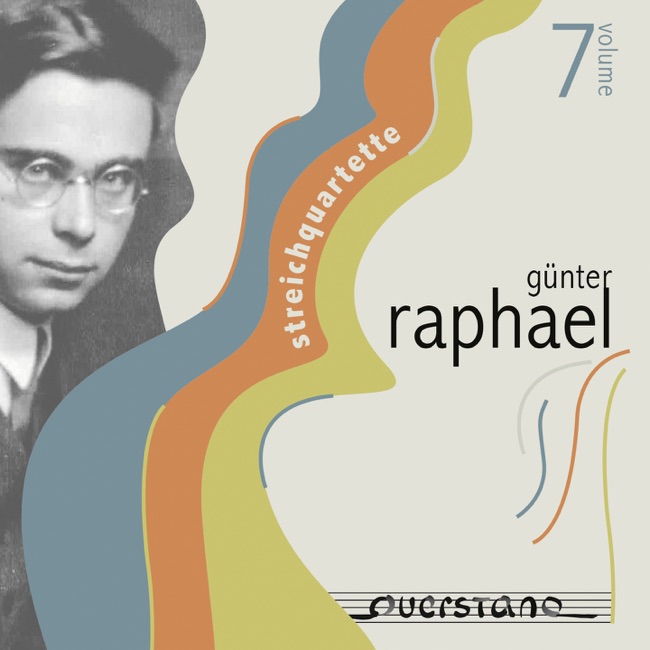 May 29, 2020
 -
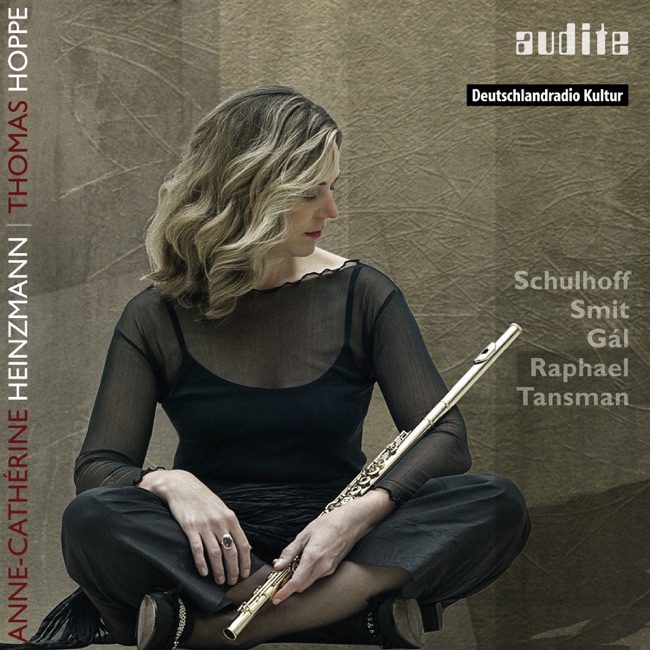 April 29, 2016
 -
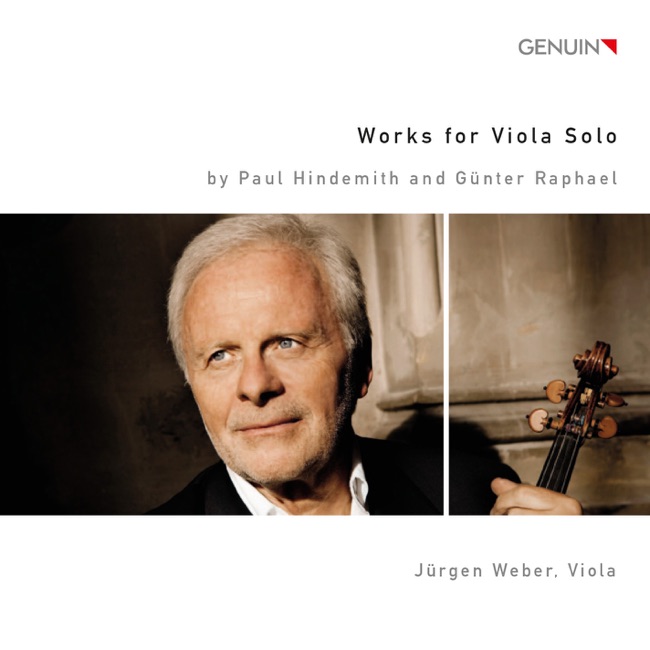 February 26, 2013
 -
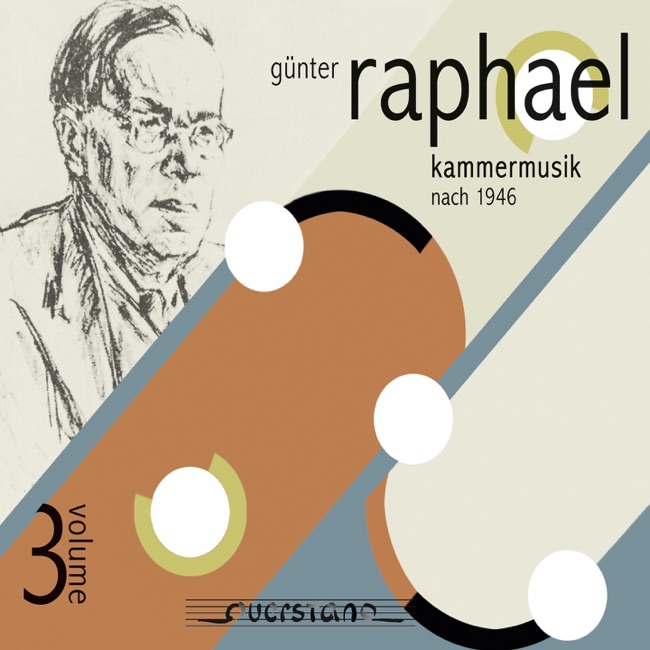 October 15, 2012
 -
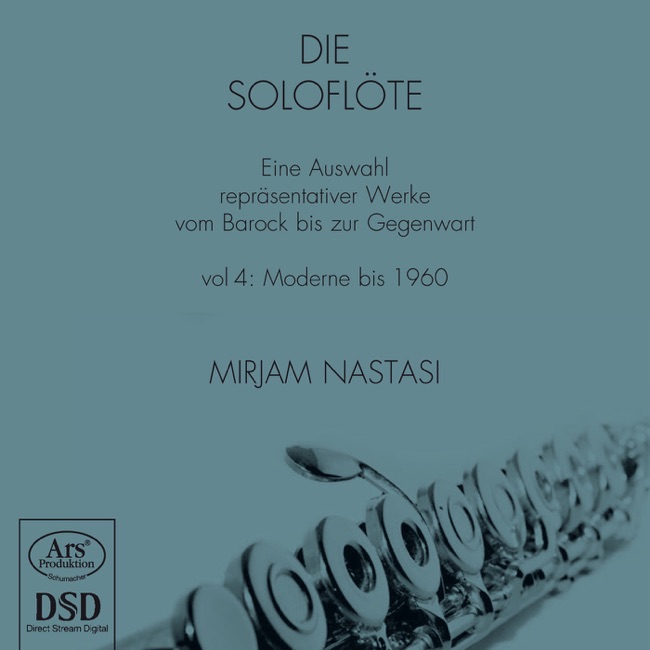 July 9, 2012
Vocal
-
 October 14, 2014
Artist Info
Role:ComposerBirth:April 30, 1903 in Berlin, GermanyDeath:October 19, 1960Period:ModernGenre:ChamberChoralKeyboardOrchestralGünter Raphael was a German composer born on September 24, 1903, in Berlin. He was the son of a Jewish father and a Christian mother, and his family was well-educated and cultured. Raphael showed an early interest in music and began playing the piano at the age of six. He also learned to play the violin and the cello, and by the age of 12, he was already composing his own music. Raphael studied music at the Berlin Hochschule für Musik, where he was a student of Paul Juon and Friedrich Koch. He also studied composition with Arnold Schoenberg, who had a profound influence on his music. Raphael's early works were influenced by the music of Bach, Mozart, and Beethoven, but he soon developed his own style, which was characterized by a lyrical and expressive melody, rich harmonies, and a sophisticated use of counterpoint. In 1927, Raphael won the Mendelssohn Prize for his String Quartet No. 1, which was premiered by the famous Busch Quartet. This success brought him to the attention of the music world, and he soon became one of the most promising young composers in Germany. In 1933, however, his career was interrupted by the rise of the Nazi regime, which banned his music because of his Jewish heritage. Raphael was forced to flee Germany and settled in Switzerland, where he continued to compose and teach music. He became a Swiss citizen in 1943 and remained in Switzerland for the rest of his life. Despite the difficulties he faced, Raphael continued to compose music of great beauty and depth, and his works were performed by some of the most renowned musicians of his time. Raphael's music is characterized by a deep emotional intensity and a profound sense of lyricism. His works are often inspired by literature, and he was particularly drawn to the poetry of Rainer Maria Rilke, whose words he set to music in several of his compositions. Raphael's music is also marked by a strong sense of form and structure, and he was a master of counterpoint and orchestration. Some of Raphael's most notable works include his Symphony No. 1, which was premiered in 1935 and is considered one of his most important works. The symphony is a powerful and emotional work that reflects the turmoil of the times in which it was composed. Other notable works include his Violin Concerto, which was premiered in 1942 and is considered one of the greatest works for violin and orchestra of the 20th century. The concerto is a virtuosic and deeply expressive work that showcases Raphael's mastery of melody and harmony. Raphael also composed a number of chamber works, including several string quartets, which are considered among his finest works. His String Quartet No. 3, which was composed in 1938, is a deeply emotional work that reflects the composer's feelings of exile and displacement. The quartet is marked by a sense of longing and nostalgia, and its haunting melodies and rich harmonies have made it one of Raphael's most beloved works. In addition to his work as a composer, Raphael was also a respected music educator. He taught at the Zurich Conservatory from 1943 until his retirement in 1971, and he was a beloved teacher who inspired generations of young musicians. Raphael died on June 22, 1960, in Zurich, Switzerland, at the age of 56. His legacy as one of the greatest composers of the 20th century lives on through his music, which continues to be performed and admired by musicians and audiences around the world.More....
Recent Artist Music
6
5:25

9
4:12
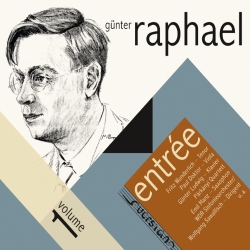
13
4:10
14
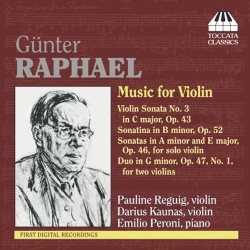
5:4

Copyright Ⓒ 2013 Davinci Finger. All rights reseved
Service Terms & Policy