


Dieter Kaufmann
Released Album
Concerto
-
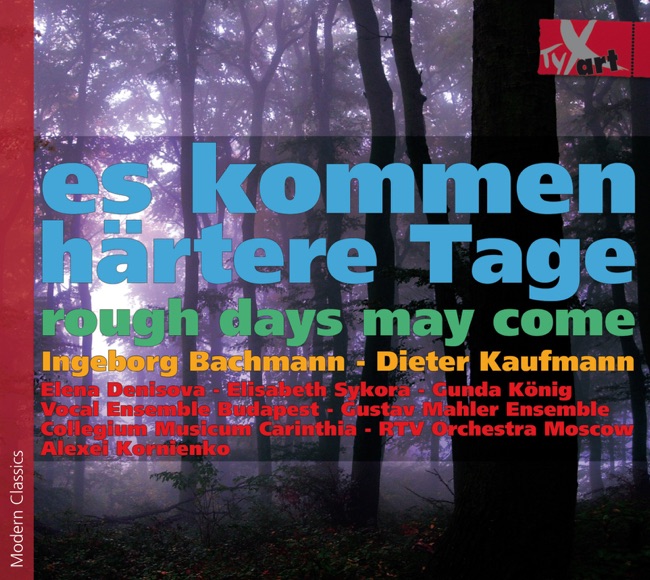 September 30, 2014
 -
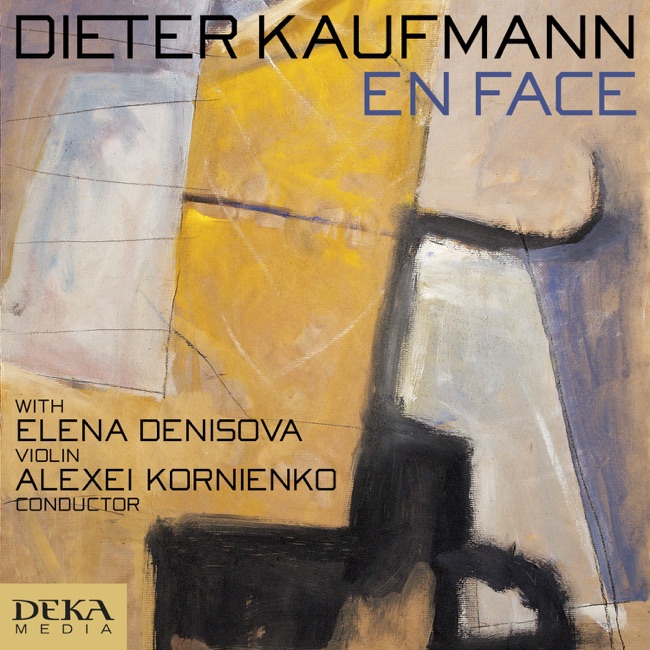 May 1, 2014
Miscellaneous
-
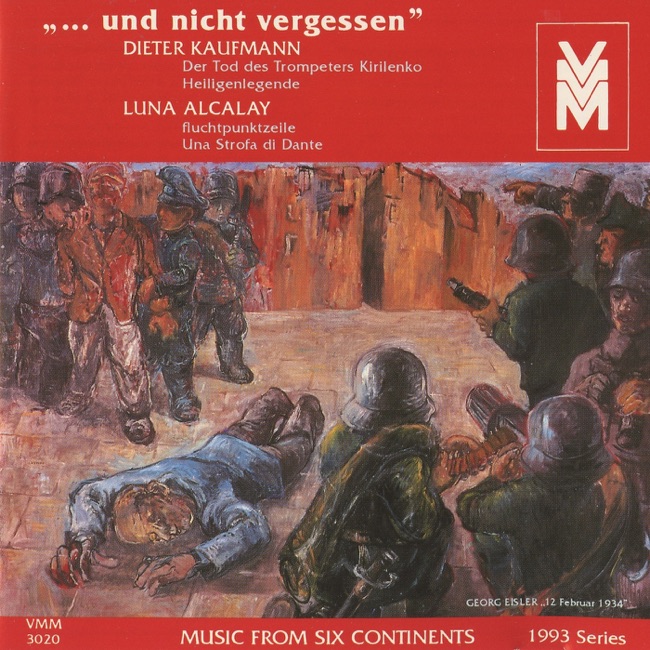 November 1, 2011
Artist Info
Role:ComposerDieter Kaufmann was a prominent Austrian composer, born on August 10, 1941, in Vienna, Austria. He was the son of the famous Austrian composer, Helmut Kaufmann, and grew up in a musical family. His father was a professor of composition at the Vienna Music Academy, and his mother was a pianist. Dieter Kaufmann's early exposure to music and his family's musical background played a significant role in shaping his musical career. Kaufmann began his musical education at the Vienna Music Academy, where he studied composition with his father. He later continued his studies at the University of Vienna, where he earned a degree in musicology. Kaufmann's early works were influenced by the Second Viennese School, particularly the works of Arnold Schoenberg and Anton Webern. However, he later developed his own unique style, which was characterized by a blend of traditional tonality and modernist techniques. Kaufmann's early works were primarily chamber music, including string quartets, piano sonatas, and other instrumental works. His first major work was the String Quartet No. 1, which was premiered in 1965. The piece was well-received and established Kaufmann as a promising young composer. In the 1970s, Kaufmann began to experiment with electronic music, incorporating synthesizers and other electronic instruments into his compositions. He also began to incorporate elements of jazz and rock music into his works, creating a unique fusion of styles. One of his most notable works from this period is the electronic opera, "Die Erschaffung der Welt" (The Creation of the World), which was premiered in 1977. Throughout his career, Kaufmann composed a wide range of works, including orchestral works, operas, choral works, and chamber music. He was particularly known for his vocal music, which often featured complex harmonies and intricate textures. One of his most famous works is the oratorio, "Die sieben Todsünden" (The Seven Deadly Sins), which was premiered in 1990. The piece is a modern interpretation of the traditional oratorio form, featuring a mix of soloists, choir, and orchestra. Kaufmann was also a prolific writer and musicologist, publishing numerous articles and books on music theory and composition. He was a professor of composition at the University of Music and Performing Arts in Vienna from 1981 until his retirement in 2007. He also served as the president of the Austrian Composers' Society from 1991 to 1996. Kaufmann's music has been performed by some of the world's leading orchestras and ensembles, including the Vienna Philharmonic, the Berlin Philharmonic, and the London Symphony Orchestra. He has received numerous awards and honors for his contributions to music, including the Austrian Cross of Honor for Science and Art in 2001. Despite his success as a composer, Kaufmann remained humble and dedicated to his craft throughout his life. He once said, "I am not interested in fame or fortune. I am interested in creating music that speaks to people and touches their souls." His music continues to be celebrated and performed around the world, and his legacy as one of Austria's greatest composers lives on.More....
Recent Artist Music
2
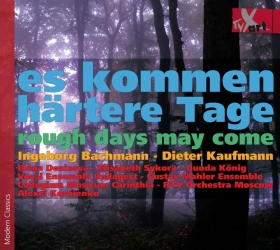
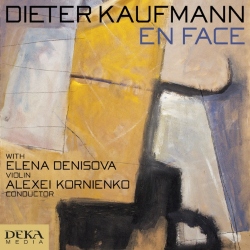
Paganihilsmo, for violin & 512 Geiger counters, Op. 77
Paganihilsmo, for violin solo & 512 Geiger counters, Op. 77
10:31
Copyright Ⓒ 2013 Davinci Finger. All rights reseved
Service Terms & Policy