


Rune Lindblad
Released Album
Electronic/Computer
Artist Info
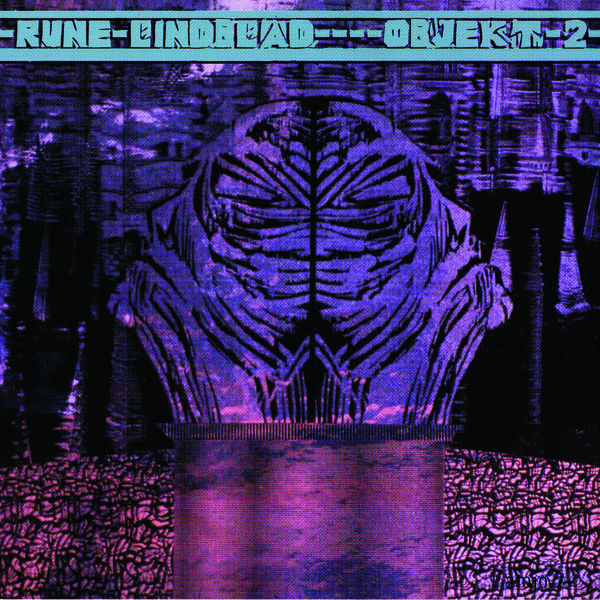
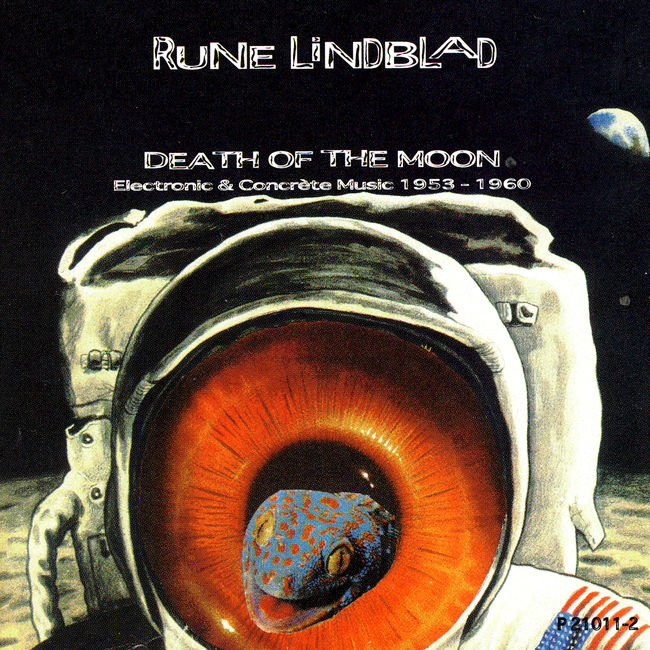
Role:ComposerCountry: SwedenBirth:1923Death:1991Genre:Avant-GardeRune Lindblad was a Swedish composer who was born on December 24, 1923, in Stockholm, Sweden. He was the son of a composer and conductor, and his father's influence played a significant role in his musical development. Lindblad began his musical studies at an early age, and by the time he was a teenager, he was already composing his own music. Lindblad's early compositions were heavily influenced by the music of his father, as well as the works of other classical composers such as Bach, Beethoven, and Mozart. However, as he continued to develop his own style, Lindblad began to incorporate more experimental and avant-garde elements into his music. In the 1950s, Lindblad became interested in electronic music, and he began experimenting with tape recorders and other electronic equipment to create new sounds and textures. His early electronic works were groundbreaking for their time, and they helped to establish Lindblad as one of the leading figures in the field of electronic music. Throughout his career, Lindblad composed a wide variety of works, including orchestral pieces, chamber music, and electronic music. Some of his most notable works include "Klangfiguren I-IV," "Ritornell," and "Gestaltningar." "Klangfiguren I-IV" is a series of four electronic works that Lindblad composed in the 1960s. These works are characterized by their use of complex rhythms and textures, as well as their innovative use of electronic equipment. "Ritornell" is a chamber work that Lindblad composed in 1966. This piece is notable for its use of unconventional instruments, including a typewriter and a vacuum cleaner. "Gestaltningar" is a series of orchestral works that Lindblad composed in the 1970s. These works are characterized by their use of unconventional instrumentation, including electric guitars and synthesizers. They are also notable for their use of complex rhythms and textures, as well as their innovative use of electronic equipment. Despite his many accomplishments, Lindblad's music was not always well-received by critics and audiences. Some critics found his music to be too experimental and difficult to understand, while others praised his innovative approach to composition. Lindblad continued to compose music throughout his life, and he remained an important figure in the world of electronic music until his death in 1991. Today, his music continues to be studied and performed by musicians and scholars around the world, and his contributions to the field of electronic music are widely recognized and celebrated.More....
Recent Artist Music
Copyright Ⓒ 2013 Davinci Finger. All rights reseved
Service Terms & Policy