


Yakov Gubanov
Released Album
Vocal
-
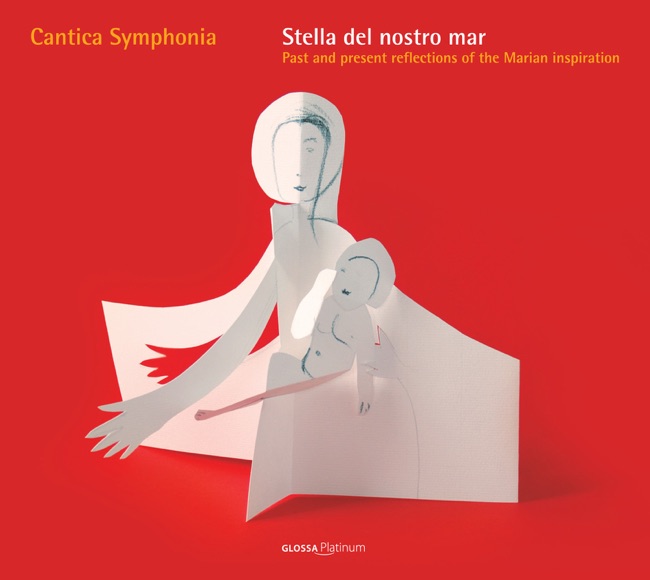 October 27, 2008
Choral
-
 October 31, 2011
Artist Info
Role:ComposerBirth:1954Yakov Gubanov was a Russian composer who was born on December 28, 1946, in the city of Moscow. He was born into a family of musicians, and his father was a well-known composer and conductor. From a young age, Gubanov showed a great interest in music, and he began studying piano and composition at the Moscow Conservatory when he was just six years old. Gubanov's early compositions were heavily influenced by the works of his father, as well as by the classical music of the time. He was particularly drawn to the works of Beethoven, Mozart, and Bach, and he spent many hours studying their compositions and techniques. As he grew older, Gubanov began to develop his own unique style, which was characterized by its complexity and emotional depth. One of Gubanov's early works, the Piano Sonata No. 1, was composed when he was just 18 years old. The piece was well-received by critics and audiences alike, and it helped to establish Gubanov as a promising young composer. Over the next few years, Gubanov continued to compose a wide range of works, including symphonies, concertos, and chamber music. In 1970, Gubanov was awarded the prestigious Lenin Prize for his Symphony No. 2, which was hailed as a masterpiece of modern classical music. The piece was noted for its complex harmonies and intricate rhythms, as well as its emotional depth and power. The award brought Gubanov national recognition, and he became one of the most celebrated composers of his generation. Throughout the 1970s and 1980s, Gubanov continued to compose a wide range of works, including operas, ballets, and choral music. One of his most famous works from this period was the opera "The Master and Margarita," which was based on the novel by Mikhail Bulgakov. The opera was noted for its complex orchestration and powerful vocal performances, and it helped to establish Gubanov as one of the leading composers of his time. In the 1990s, Gubanov's music began to take on a more experimental and avant-garde quality. He began to incorporate elements of electronic music and other non-traditional sounds into his compositions, and he experimented with new forms and structures. Some of his most notable works from this period include the Symphony No. 5, which features a complex tapestry of electronic and acoustic sounds, and the opera "The City of the Sun," which incorporates elements of jazz and rock music. Despite his many successes, Gubanov remained a humble and dedicated composer throughout his life. He continued to compose new works up until his death in 2013, and his music remains an important part of the classical music canon. His works are noted for their emotional depth, technical complexity, and innovative spirit, and they continue to inspire and challenge musicians and audiences around the world.More....
Recent Artist Music

Copyright Ⓒ 2013 Davinci Finger. All rights reseved
Service Terms & Policy