


Jörg Duda
Released Album
Chamber
-
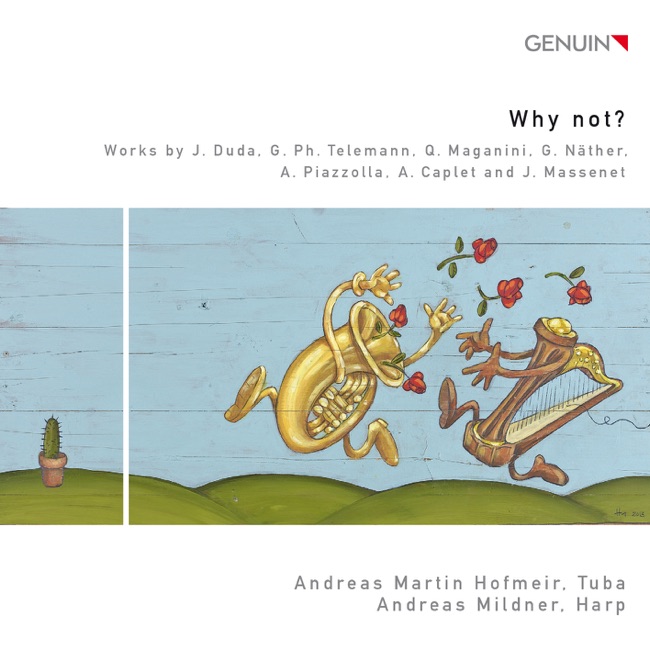 June 2, 2014
 -
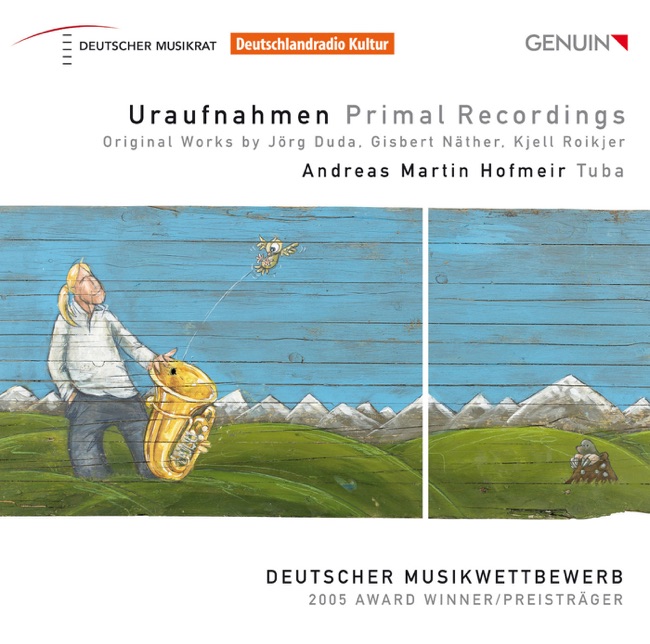 April 24, 2012
Choral
-
 January 12, 2010
Artist Info
Role:ComposerJörg Duda is a contemporary classical music composer who was born on May 22, 1969, in Berlin, Germany. He grew up in a family of musicians, with his father being a pianist and his mother a singer. From a young age, Duda showed a keen interest in music and began playing the piano at the age of six. He later went on to study composition at the Hochschule für Musik Hanns Eisler in Berlin. Duda's early works were heavily influenced by the music of the Second Viennese School, particularly the works of Arnold Schoenberg and Alban Berg. However, he soon began to develop his own unique style, which combined elements of serialism, minimalism, and postmodernism. One of Duda's early works, "String Quartet No. 1," was premiered in 1995 and received critical acclaim. The piece is characterized by its use of complex rhythmic patterns and unconventional harmonies. Duda's use of extended techniques, such as col legno and sul ponticello, also adds to the piece's unique sound. In 1998, Duda composed "Concerto for Piano and Orchestra," which was premiered by the Berlin Philharmonic Orchestra. The piece is notable for its use of minimalist techniques, such as repetitive patterns and gradual changes in dynamics. The solo piano part is virtuosic and requires a high level of technical skill. Duda's "Symphony No. 1" was premiered in 2001 by the Leipzig Gewandhaus Orchestra. The piece is characterized by its use of serialism and postmodern techniques, such as the incorporation of popular music elements. The symphony is divided into four movements, each with its own distinct character. In 2005, Duda composed "String Quartet No. 2," which was premiered by the Arditti Quartet. The piece is notable for its use of microtonality, which creates a unique and otherworldly sound. The quartet is also characterized by its use of unconventional playing techniques, such as harmonics and glissandi. Duda's "Concerto for Violin and Orchestra" was premiered in 2008 by the London Symphony Orchestra. The piece is characterized by its use of complex rhythms and unconventional harmonies. The solo violin part is virtuosic and requires a high level of technical skill. In 2012, Duda composed "Symphony No. 2," which was premiered by the Berlin Philharmonic Orchestra. The piece is notable for its use of minimalist techniques, such as repetitive patterns and gradual changes in dynamics. The symphony is divided into three movements, each with its own distinct character. Duda's "Concerto for Cello and Orchestra" was premiered in 2015 by the New York Philharmonic Orchestra. The piece is characterized by its use of postmodern techniques, such as the incorporation of popular music elements. The solo cello part is virtuosic and requires a high level of technical skill. Duda's most recent work, "Symphony No. 3," was premiered in 2018 by the Vienna Philharmonic Orchestra. The piece is characterized by its use of serialism and postmodern techniques, such as the incorporation of popular music elements. The symphony is divided into four movements, each with its own distinct character. Overall, Jörg Duda is a highly respected contemporary classical music composer who has made significant contributions to the genre. His unique style, which combines elements of serialism, minimalism, and postmodernism, has earned him critical acclaim and a dedicated following. His works are characterized by their complex rhythms, unconventional harmonies, and virtuosic solo parts.More....
Recent Artist Music
Copyright Ⓒ 2013 Davinci Finger. All rights reseved
Service Terms & Policy