


Yu Qingzhu
Released Album
Vocal
-
-
 August 12, 2008
Miscellaneous
-
 January 1, 2005
Artist Info
Role:ComposerYu Qingzhu was a Chinese composer who was born on December 25, 1923, in Shanghai, China. He was the youngest of six children in his family. His father was a businessman, and his mother was a housewife. Yu Qingzhu showed an early interest in music and began studying the piano at the age of six. He later studied composition at the Shanghai Conservatory of Music, where he was a student of Ding Shande. Yu Qingzhu's early compositions were influenced by Western classical music, particularly the works of Beethoven, Brahms, and Tchaikovsky. However, he also drew inspiration from Chinese folk music and traditional Chinese opera. His music was characterized by its use of traditional Chinese instruments, such as the erhu and pipa, as well as Western instruments, such as the piano and violin. In 1949, Yu Qingzhu moved to Beijing, where he became a professor at the Central Conservatory of Music. He continued to compose music, and his works were performed by some of China's leading orchestras and ensembles. In 1956, he was awarded the National Prize for Literature and Art, one of China's highest honors for artists. One of Yu Qingzhu's most famous works is his Symphony No. 1, which was composed in 1953. The symphony is divided into four movements and is characterized by its use of Chinese folk melodies and rhythms. The first movement, "Spring Festival Overture," is a lively and festive piece that celebrates the Chinese New Year. The second movement, "Song of the Grasslands," is a pastoral piece that evokes the vast open spaces of the Chinese countryside. The third movement, "Dance of the Yao People," is a lively and rhythmic piece that features the traditional music of the Yao people, an ethnic minority group in China. The final movement, "Festival of the Red Flag," is a triumphant piece that celebrates the victory of the Chinese Communist Party in the Chinese Civil War. Another notable work by Yu Qingzhu is his opera, "The White-Haired Girl," which was composed in 1945. The opera tells the story of a young peasant girl who is forced to work as a slave for a wealthy landlord. The girl is eventually rescued by a group of Communist soldiers, and the opera ends with a celebration of the victory of the Communist Party. "The White-Haired Girl" was one of the most popular operas in China during the 1950s and 1960s and was performed thousands of times. Yu Qingzhu's other works include chamber music, choral music, and film scores. He was also a respected music educator and wrote several books on music theory and composition. He retired from the Central Conservatory of Music in 1988 but continued to compose music until his death in 1997. In conclusion, Yu Qingzhu was a prolific and influential composer who played an important role in the development of classical music in China. His music combined elements of Western classical music with traditional Chinese music, creating a unique and distinctive style. His works, such as Symphony No. 1 and "The White-Haired Girl," continue to be performed and celebrated in China and around the world.More....
Recent Artist Music
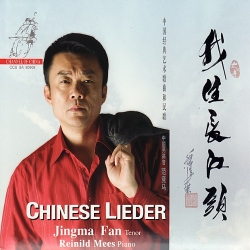
3
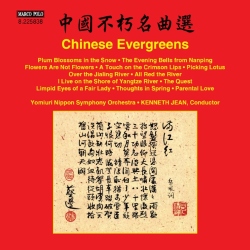
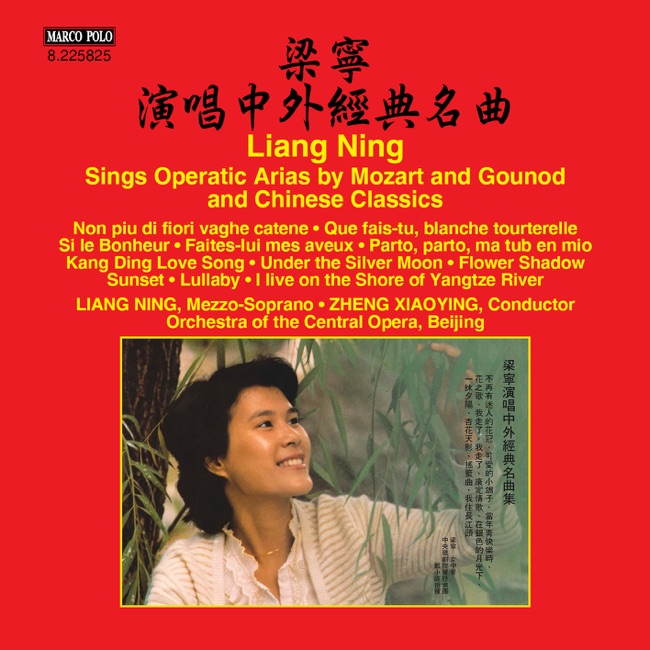
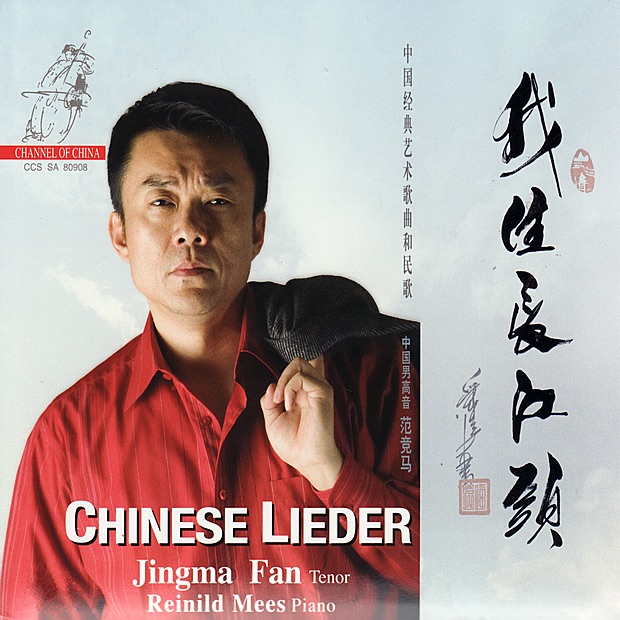
My Sentiment to the Yangtze River "I live by the Yangtze River"
I Live on the Shore of Yangtze River
2:59
4
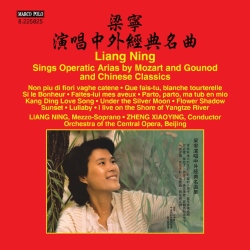
My Sentiment to the Yangtze River "I live by the Yangtze River"
I live on the Shore of Yangtze River
2:14
Copyright Ⓒ 2013 Davinci Finger. All rights reseved
Service Terms & Policy