


John H. Wallace, Jr.
Released Album
Chamber
-
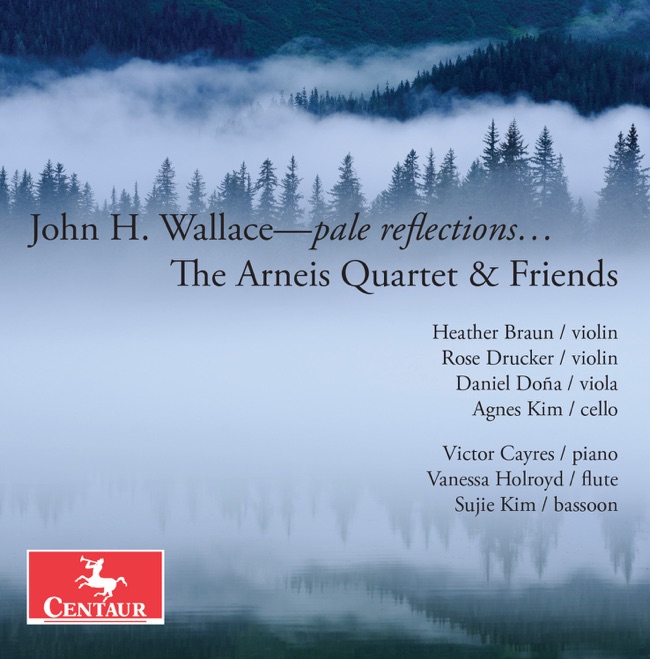 July 8, 2016
Band
-
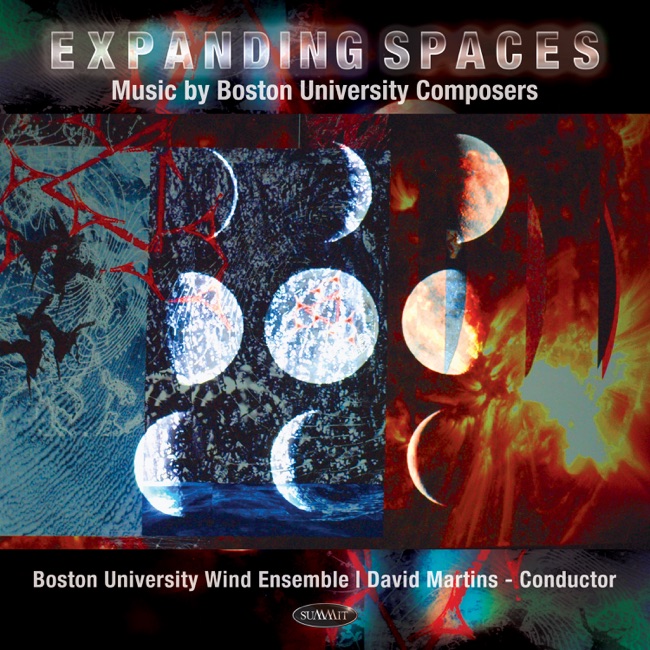 March 1, 2019
Artist Info
Role:ComposerJohn H. Wallace, Jr. was an American composer and musician who made significant contributions to the world of classical music. Born on December 22, 1931, in Philadelphia, Pennsylvania, Wallace grew up in a family of musicians. His father, John H. Wallace, Sr., was a jazz pianist, and his mother, Mary Wallace, was a classical pianist. From a young age, Wallace showed a keen interest in music and began playing the piano at the age of four. Wallace's parents recognized his talent and encouraged him to pursue a career in music. He attended the Philadelphia High School for the Creative and Performing Arts, where he studied piano, composition, and conducting. After graduating from high school, Wallace went on to study at the Curtis Institute of Music in Philadelphia, where he received a Bachelor of Music degree in composition. After completing his studies at the Curtis Institute, Wallace began his career as a composer and musician. He worked as a pianist and conductor for various orchestras and ensembles, including the Philadelphia Orchestra and the New York Philharmonic. He also taught music at several universities, including the University of Pennsylvania and the University of Michigan. Throughout his career, Wallace composed a wide range of works, including orchestral pieces, chamber music, and vocal music. His compositions were known for their innovative use of harmony and rhythm, as well as their incorporation of elements from jazz and other popular music genres. One of Wallace's most famous works is his Symphony No. 1, which was premiered by the Philadelphia Orchestra in 1969. The symphony is a four-movement work that showcases Wallace's unique style and incorporates elements of jazz and blues. The piece was well-received by audiences and critics alike and helped establish Wallace as a major figure in the world of classical music. In addition to his symphonies, Wallace also composed a number of chamber works, including string quartets and sonatas for various instruments. One of his most notable chamber works is his Sonata for Violin and Piano, which was premiered in 1975. The piece is a virtuosic showcase for both the violin and piano and features Wallace's signature use of complex rhythms and harmonies. Wallace also composed a number of vocal works, including choral pieces and art songs. One of his most famous vocal works is his cycle of art songs, entitled "Songs of Love and Longing." The cycle features settings of poems by various poets, including Langston Hughes and Emily Dickinson, and showcases Wallace's ability to create expressive and emotional music. Throughout his career, Wallace received numerous awards and honors for his contributions to the world of classical music. He was a recipient of the Guggenheim Fellowship and the National Endowment for the Arts Fellowship, among others. He was also a member of the American Academy of Arts and Letters and the American Academy of Arts and Sciences. John H. Wallace, Jr. passed away on August 29, 2004, at the age of 72. His legacy as a composer and musician continues to inspire and influence musicians and audiences around the world. His innovative use of harmony and rhythm, as well as his incorporation of elements from jazz and other popular music genres, helped to expand the boundaries of classical music and create a new and exciting sound.More....
Recent Artist Music
Copyright Ⓒ 2013 Davinci Finger. All rights reseved
Service Terms & Policy