


Maxim Berezovsky
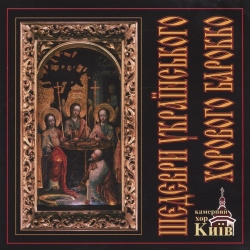
Released Album
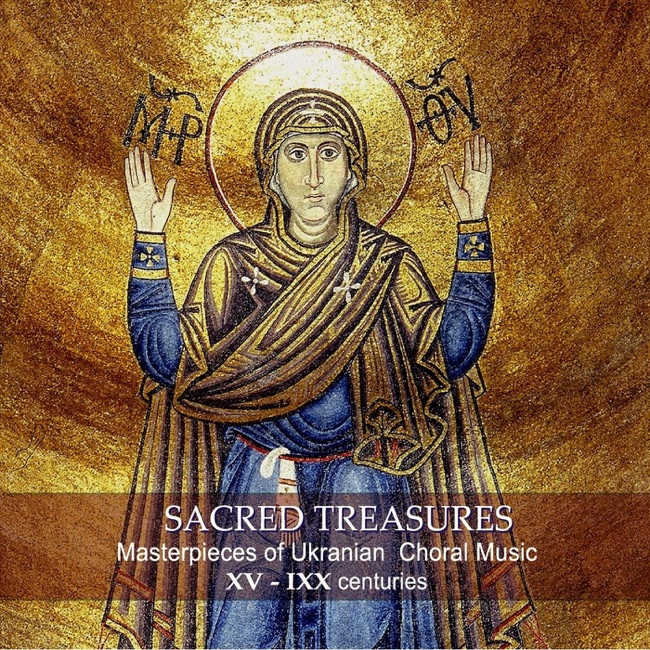
Artist Info
Role:ComposerCountry: RussiaBirth:October 27, 1745Death:April 2, 1777Period:ClassicalGenre:ChamberChoralConcertoOperaMaxim Berezovsky was a prominent classical music composer of the 18th century. He was born on October 20, 1745, in Glukhovo, Ukraine, which was then a part of the Russian Empire. Berezovsky was born into a family of musicians, and his father, Ivan Berezovsky, was a well-known composer and singer. Maxim Berezovsky showed an early interest in music and began his musical education at a young age. Berezovsky's musical education began in Kiev, where he studied with the famous composer and conductor, Dmytro Bortniansky. Bortniansky was a significant influence on Berezovsky's musical style, and he taught him the principles of harmony, counterpoint, and composition. Berezovsky quickly became one of Bortniansky's most talented students, and he soon began to compose his own music. In 1769, Berezovsky moved to St. Petersburg, where he became a member of the Imperial Chapel Choir. He quickly gained a reputation as a talented composer, and his music was performed at many of the court's musical events. Berezovsky's music was well-received, and he soon became one of the most sought-after composers in St. Petersburg. Berezovsky's music was heavily influenced by the Italian Baroque style, which was popular in Russia at the time. His music was characterized by its complex harmonies, intricate counterpoint, and use of polyphony. Berezovsky's music was also known for its emotional depth and expressiveness, which was a departure from the more formal and restrained style of music that was popular at the time. Berezovsky's most famous work is his Liturgy of St. John Chrysostom, which he composed in 1770. The Liturgy is a masterpiece of Russian Orthodox music and is still performed today. The Liturgy is characterized by its rich harmonies, intricate counterpoint, and use of polyphony. The Liturgy is also known for its emotional depth and expressiveness, which was a departure from the more formal and restrained style of music that was popular at the time. Berezovsky's other notable works include his opera, Demofonte, which he composed in 1772. Demofonte was a significant departure from the Italian opera style that was popular at the time, and it was characterized by its use of Russian folk melodies and its emotional depth. Berezovsky's other notable works include his choral music, which was heavily influenced by the Russian Orthodox Church's music. Berezovsky's career was cut short when he died at the young age of 33 in 1777. The cause of his death is unknown, but it is believed that he died of tuberculosis. Despite his short career, Berezovsky's music had a significant impact on Russian classical music, and he is still considered one of the most important composers of the 18th century. In conclusion, Maxim Berezovsky was a prominent classical music composer of the 18th century. He was born into a family of musicians and showed an early interest in music. Berezovsky's musical education began in Kiev, where he studied with the famous composer and conductor, Dmytro Bortniansky. Berezovsky's music was heavily influenced by the Italian Baroque style, and his music was characterized by its complex harmonies, intricate counterpoint, and use of polyphony. Berezovsky's most famous work is his Liturgy of St. John Chrysostom, which he composed in 1770. Berezovsky's career was cut short when he died at the young age of 33 in 1777.More....

Copyright Ⓒ 2013 Davinci Finger. All rights reseved
Service Terms & Policy