


Ole Olsen
Released Album
Orchestral
-
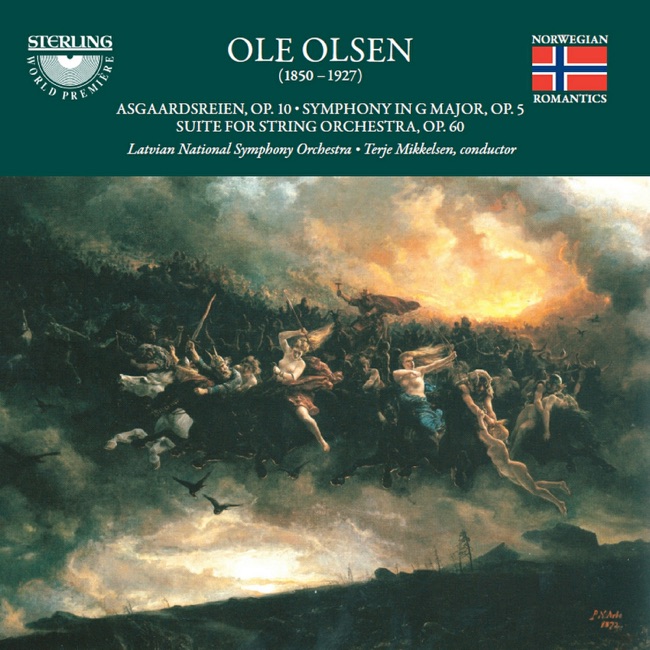
-
 January 5, 2004
 -
 October 28, 2003
Symphony
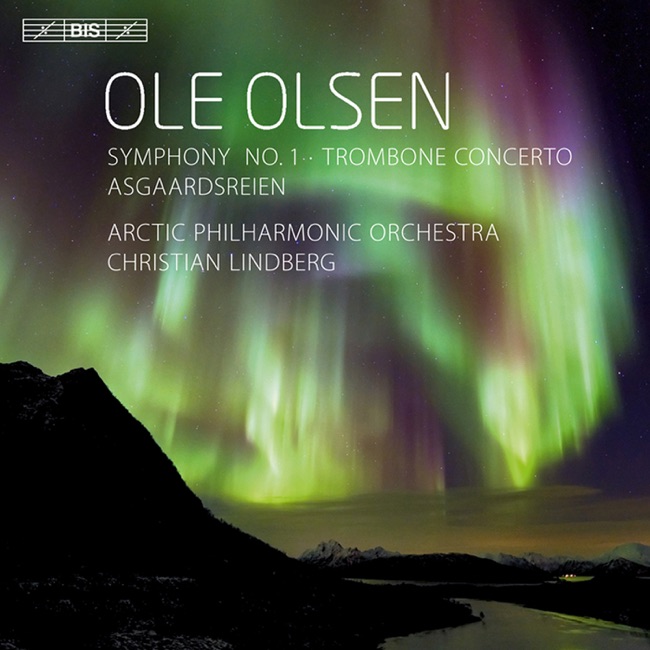
Artist Info
Role:ComposerBirth:July 4, 1850 in Hammerfest, NorwayDeath:November 9, 1927 in Oslo, NorwayPeriod:ModernGenre:BandConcertoOperaOrchestralVocalOle Olsen was a Danish composer who lived from 1850 to 1927. He was born in the town of Rudkøbing on the island of Langeland, which is located in the southern part of Denmark. Olsen was the son of a schoolteacher, and he showed an early interest in music. He began playing the piano at a young age, and he also learned to play the violin and the organ. Olsen's musical talent was recognized early on, and he was sent to study music in Copenhagen when he was just 14 years old. He studied at the Royal Danish Academy of Music, where he was a student of Niels Gade, who was one of Denmark's most famous composers at the time. Olsen was a talented student, and he quickly became known for his skill as a composer. After completing his studies, Olsen began working as a music teacher and a conductor. He also continued to compose music, and he quickly gained a reputation as one of Denmark's most promising young composers. In 1879, he was appointed as the conductor of the Royal Danish Theatre, which was one of the most prestigious musical positions in Denmark at the time. Olsen's music was heavily influenced by the Romantic style, which was popular in Europe during the late 19th century. His compositions were characterized by their lush harmonies, sweeping melodies, and dramatic contrasts. He was particularly skilled at writing for the orchestra, and many of his works feature richly orchestrated passages that showcase the full range of the instruments. One of Olsen's most famous works is his Symphony No. 1, which he composed in 1880. The symphony is a large-scale work that is divided into four movements. The first movement is marked by its sweeping melodies and dramatic contrasts, while the second movement is a lyrical and introspective adagio. The third movement is a lively scherzo, and the final movement is a triumphant finale that features a soaring melody played by the brass section. Another notable work by Olsen is his opera, "The Golden Horns," which he composed in 1896. The opera is based on a Danish legend about a pair of golden horns that were said to have magical powers. The story follows the adventures of a young prince who sets out to find the horns and use them to save his kingdom from an evil sorcerer. The opera is notable for its lush orchestration and its memorable melodies, and it remains one of Olsen's most popular works. In addition to his work as a composer, Olsen was also a respected conductor. He was known for his ability to bring out the best in his musicians, and he was particularly skilled at conducting large-scale works such as symphonies and operas. He was also a champion of Danish music, and he worked tirelessly to promote the works of other Danish composers. Olsen's career was cut short by his untimely death in 1927. He was just 77 years old at the time, but he had already left a lasting legacy in the world of classical music. His works continue to be performed and recorded today, and he is remembered as one of Denmark's greatest composers.More....
Recent Artist Music

Copyright Ⓒ 2013 Davinci Finger. All rights reseved
Service Terms & Policy