


Alan Richardson
Released Album
Chamber
-
 July 28, 2020
 -
 April 6, 2015
 -
 January 6, 2014
 -
 April 16, 2012
 -
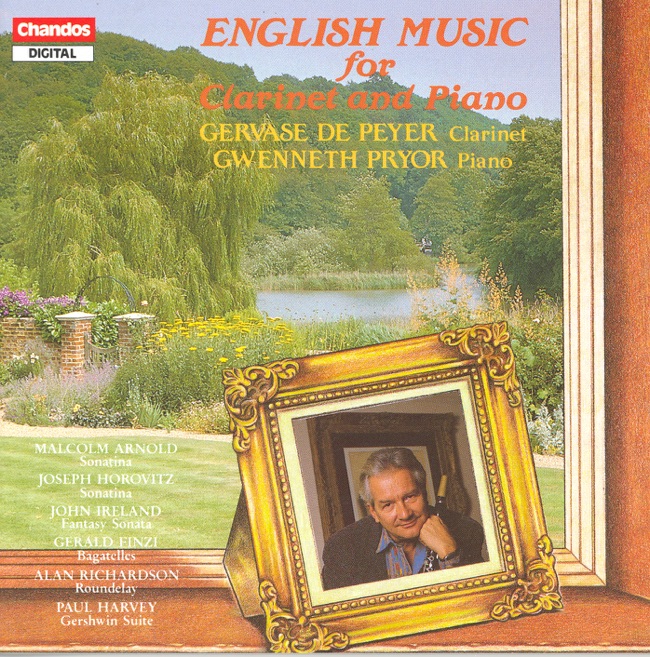 October 28, 1992
 -
 September 1, 1991
Keyboard
-
 April 5, 2019
 -
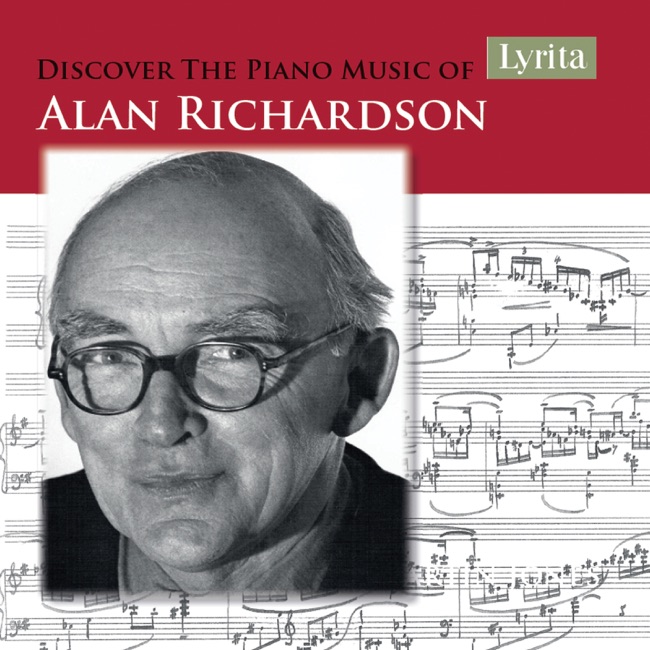 April 5, 2019
Artist Info
Role:ComposerBirth:February 29, 1904 in Edinburgh, ScotlandDeath:November 29, 1978Period:ModernGenre:ChamberKeyboardAlan Richardson was a British composer, conductor, and music educator who made significant contributions to the classical music world during the mid-20th century. Born on February 4, 1904, in Derby, England, Richardson showed an early interest in music and began playing the piano at the age of six. He later studied at the Royal College of Music in London, where he received a scholarship to study composition under Ralph Vaughan Williams. Richardson's early compositions were heavily influenced by the works of Vaughan Williams and other British composers of the time. His first major work, the Symphony No. 1 in D minor, was premiered in 1928 and received critical acclaim. The symphony showcased Richardson's skill in orchestration and his ability to create powerful and emotional musical themes. Throughout the 1930s, Richardson continued to compose and conduct music, often collaborating with other British composers such as Benjamin Britten and William Walton. He also worked as a music educator, teaching at the Royal College of Music and the Guildhall School of Music and Drama. One of Richardson's most significant works from this period was his Concerto for Two Pianos and Orchestra, which was premiered in 1937. The concerto was written for the pianist duo Ethel Bartlett and Rae Robertson, who were known for their virtuosic performances. The piece showcased Richardson's ability to write complex and challenging music while still maintaining a sense of lyricism and beauty. During World War II, Richardson served in the British Army and was stationed in India. While there, he continued to compose and conduct music, often working with local musicians and incorporating Indian musical elements into his compositions. One of his most notable works from this period was his Symphony No. 2, which was inspired by his experiences in India and featured Indian instruments such as the sitar and tabla. After the war, Richardson returned to England and continued to compose and conduct music. He also became involved in music education and served as the director of music at the University of Sussex from 1961 to 1969. One of Richardson's most famous works from this period was his Symphony No. 3, which was premiered in 1951. The symphony was written in memory of the composer's father, who had died the previous year. The piece is known for its emotional depth and powerful themes, and it remains one of Richardson's most popular works to this day. Throughout his career, Richardson was known for his ability to write music that was both technically challenging and emotionally engaging. His compositions often featured complex harmonies and intricate rhythms, but they also had a sense of lyricism and beauty that made them accessible to a wide audience. In addition to his symphonies and concertos, Richardson also wrote a number of chamber works, choral pieces, and operas. One of his most famous operas was The Importance of Being Earnest, which was based on the play by Oscar Wilde and premiered in 1964. Despite his many accomplishments, Richardson's music has not received the same level of recognition as some of his contemporaries such as Vaughan Williams and Britten. However, his contributions to the classical music world are significant, and his works continue to be performed and appreciated by musicians and audiences around the world.More....
Recent Artist Music
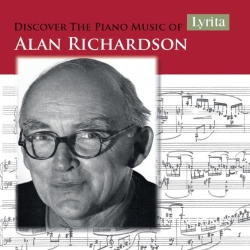
7
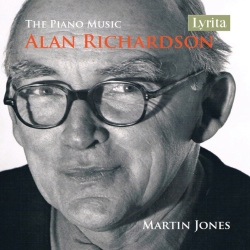
Sonata for piano
Sonatina: I. Allegro moderato / II. Aria. Andante molto tranquillo / III. Presto
9:51
Copyright Ⓒ 2013 Davinci Finger. All rights reseved
Service Terms & Policy