


Rudolf Karel
Released Album
Vocal
Artist Info
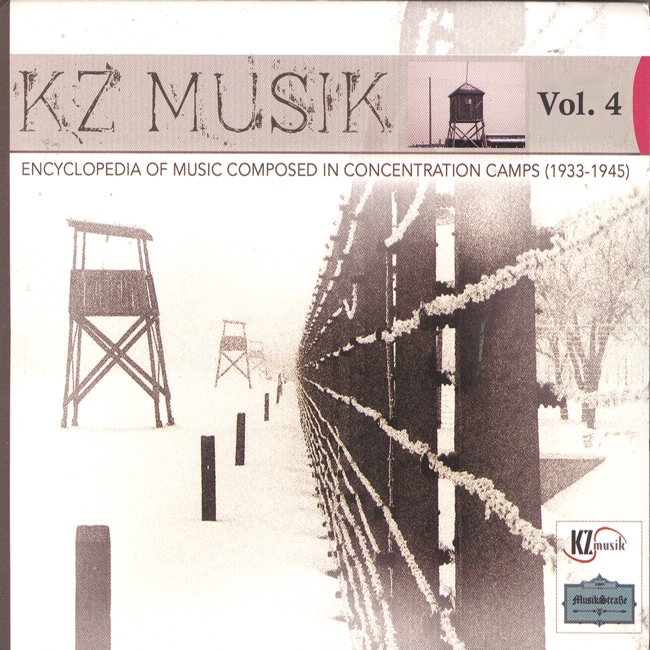
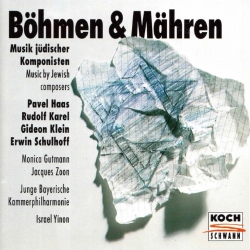
Role:ComposerPeriod:ModernGenre:ChamberOperaRudolf Karel was a Czech composer born on September 17, 1880, in Prague. He was the son of a well-known Czech composer, Karel Kovařovic, who was also the director of the Prague National Theatre. Karel grew up in a musical family and was exposed to music from a young age. He began his musical education at the Prague Conservatory, where he studied composition with Antonín Dvořák's pupil, Karel Stecker. Karel's early compositions were influenced by the Romantic style of his father's music, but he soon developed his own unique style. He was particularly interested in the music of the French Impressionists, such as Debussy and Ravel, and incorporated their techniques into his own compositions. Karel's music was characterized by its colorful harmonies, intricate rhythms, and use of folk melodies. Karel's first major success came in 1910 with the premiere of his opera, "The Witch of Prague." The opera was based on a popular Czech fairy tale and was a critical and commercial success. Karel continued to compose operas throughout his career, including "The Golden Cockerel" and "The Magic Flute," both of which were well-received. In addition to his operas, Karel composed a number of orchestral works, including symphonies, tone poems, and concertos. His most famous orchestral work is his "Sinfonietta," which was premiered in 1926. The piece is a lively and colorful work that showcases Karel's skill as an orchestrator. Karel was also a prolific composer of chamber music, including string quartets, piano trios, and sonatas. His chamber music is characterized by its intricate counterpoint and use of folk melodies. One of his most famous chamber works is his "String Quartet No. 2," which was premiered in 1921. Despite his success as a composer, Karel was not immune to the political turmoil of his time. In 1939, he was arrested by the Gestapo and imprisoned in the Theresienstadt concentration camp. While in the camp, Karel continued to compose music, including his "Theresienstadt Requiem," which was premiered in the camp in 1944. The piece is a powerful work that reflects the horrors of the Holocaust. After the war, Karel returned to Prague and continued to compose music until his death in 1945. His music fell out of favor during the Communist era in Czechoslovakia, but has since been rediscovered and is now recognized as an important contribution to Czech music. In conclusion, Rudolf Karel was a Czech composer who made significant contributions to the world of classical music. His music was characterized by its colorful harmonies, intricate rhythms, and use of folk melodies. Karel's operas, orchestral works, and chamber music are all important contributions to the classical music canon. Despite the political turmoil of his time, Karel continued to compose music that reflected the human experience. His music is a testament to the power of art to transcend even the darkest of times.More....
Recent Artist Music
1
2:54
Copyright Ⓒ 2013 Davinci Finger. All rights reseved
Service Terms & Policy