


Gloria Moretti
Released Album
Vocal
-
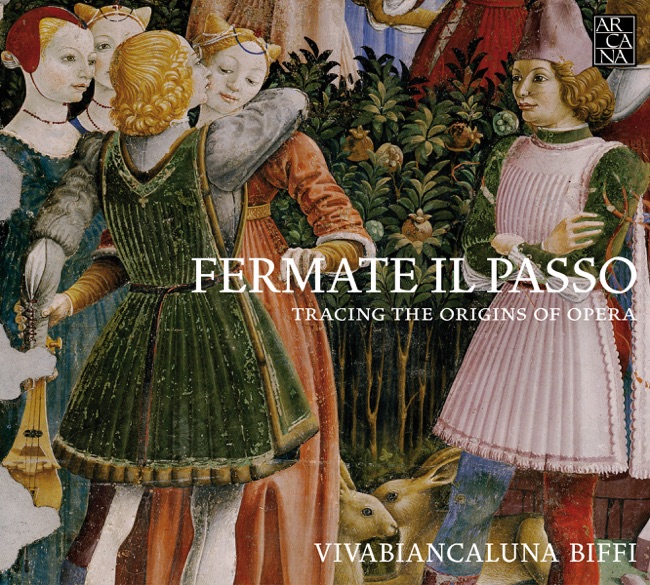 July 29, 2014
Choral
-
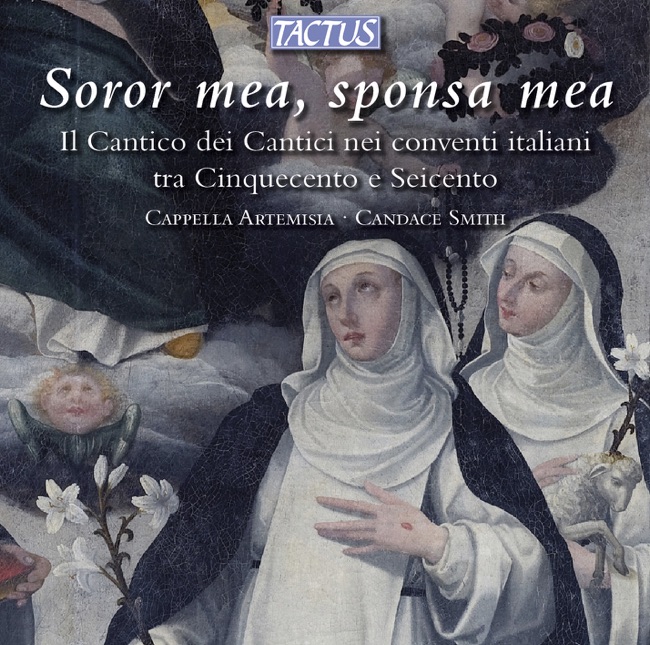 July 12, 2005
Chamber
-
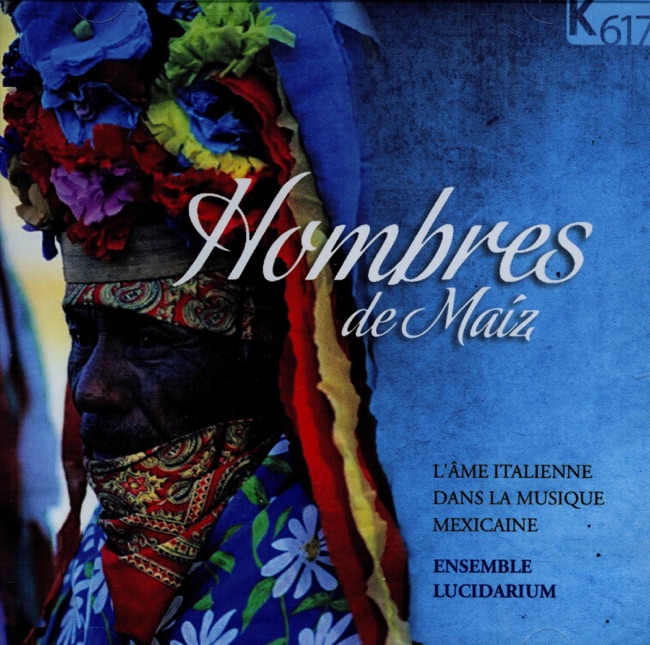 November 14, 2011
Artist Info
Role:Composer PerformerPeriod:RenaissanceBaroqueGenre:KeyboardGloria Moretti was a renowned classical music composer who was born on May 12, 1925, in Milan, Italy. She was the youngest of three children born to a family of musicians. Her father was a violinist, and her mother was a pianist. From a young age, Moretti was exposed to music and began playing the piano at the age of four. Moretti's parents recognized her talent and encouraged her to pursue music. She began taking piano lessons with her mother and later studied with renowned pianist Arturo Benedetti Michelangeli. Moretti's talent was evident, and she quickly became a prodigy. She made her debut as a pianist at the age of 12, performing Mozart's Piano Concerto No. 23 in A major with the Milan Symphony Orchestra. Despite her success as a pianist, Moretti's true passion was composition. She began composing at a young age and studied composition with Italian composer Gian Francesco Malipiero. Moretti's early compositions were influenced by the works of Bach, Mozart, and Beethoven. She also drew inspiration from Italian folk music and the works of contemporary composers such as Stravinsky and Bartok. Moretti's first major composition was her Piano Sonata No. 1, which she wrote at the age of 18. The sonata was well-received and showcased Moretti's talent as a composer. She continued to compose throughout her twenties, writing works for piano, chamber ensembles, and orchestra. In 1952, Moretti's career took a significant turn when she won the prestigious International Rostrum of Composers competition for her orchestral work, "Concerto for Orchestra." The competition was held in Paris, and Moretti's win brought her international recognition. The "Concerto for Orchestra" was praised for its innovative use of orchestration and its blending of traditional and modern elements. Moretti continued to compose throughout the 1950s and 1960s, writing works for a variety of ensembles and genres. She was known for her use of unconventional harmonies and rhythms, as well as her incorporation of folk music into her compositions. Her works were performed by orchestras and ensembles around the world, and she received numerous commissions from prestigious organizations. One of Moretti's most significant works was her opera, "La Fiamma," which she wrote in 1965. The opera was based on a libretto by Italian poet Gabriele D'Annunzio and was set in 16th-century Italy. "La Fiamma" was praised for its lush orchestration and dramatic intensity. It was performed at the Teatro alla Scala in Milan and received critical acclaim. Moretti's later works were more introspective and focused on the exploration of sound and texture. She experimented with electronic music and wrote works for tape and live instruments. Her later works were less well-known than her earlier compositions, but they were still highly regarded by critics and fellow composers. Moretti continued to compose until her death in 1998. She left behind a legacy of innovative and influential works that continue to be performed and studied today. Her contributions to the world of classical music have been recognized with numerous awards and honors, including the Italian Order of Merit for Culture and Art. Moretti's music remains a testament to her talent and creativity, and her influence can be heard in the works of contemporary composers around the world.More....
Recent Artist Music
1
36:48
4
1:19
Copyright Ⓒ 2013 Davinci Finger. All rights reseved
Service Terms & Policy