


Josip Pavcic
Released Album
Vocal
-
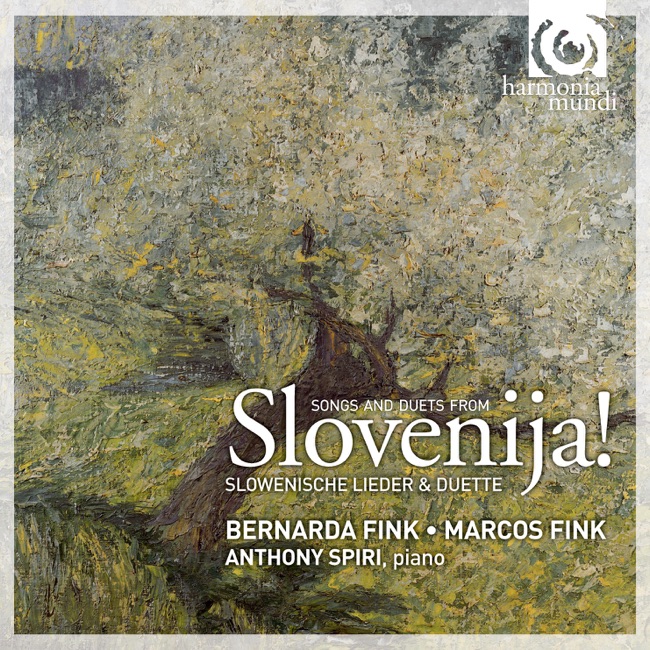 March 8, 2011
 -
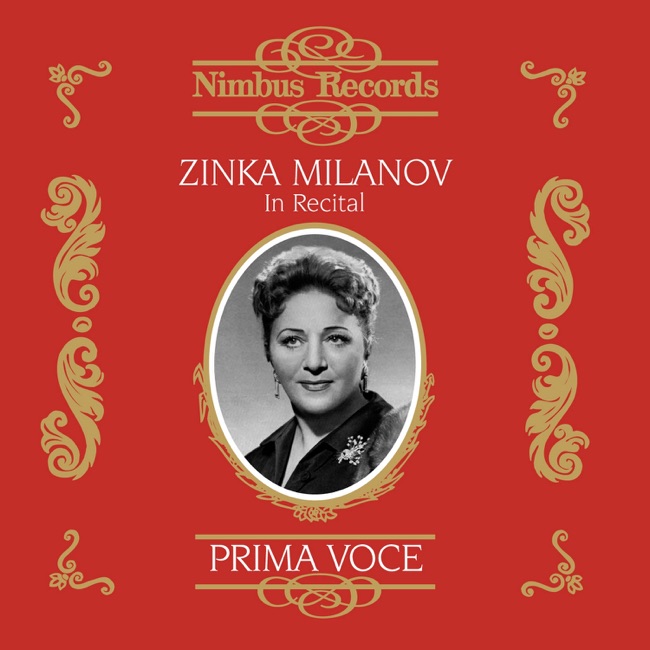 May 13, 2008
 -
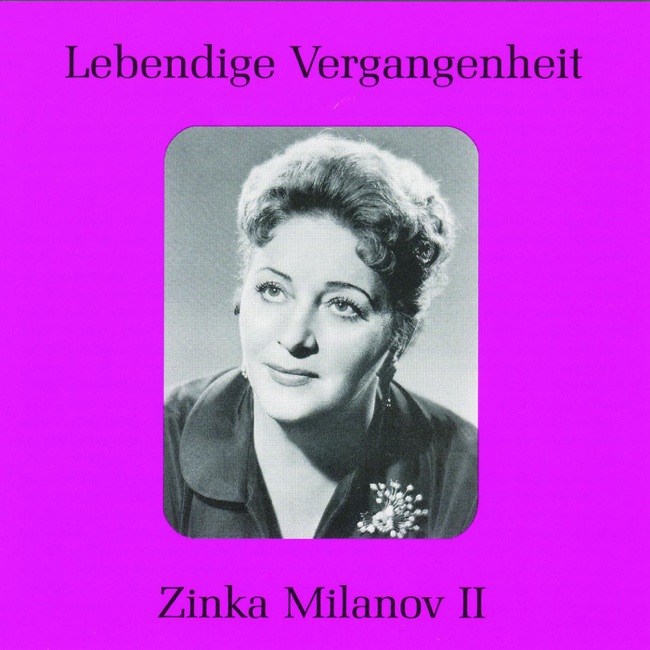 October 25, 2005
Artist Info
Role:ComposerBirth:1870Death:1949Josip Pavcic was a Croatian composer born on January 1, 1902, in the town of Varaždin. He was the youngest of six children in a family of musicians. His father, Franjo Pavcic, was a music teacher and conductor, and his mother, Marija Pavcic, was a singer. Josip's siblings were also involved in music, with his brother Franjo becoming a renowned conductor. Josip showed an early interest in music and began playing the piano at the age of six. He later studied music theory and composition with his father and attended the Zagreb Music Academy, where he studied under the guidance of renowned composers such as Blagoje Bersa and Fran Lhotka. In 1925, Pavcic graduated from the Zagreb Music Academy with a degree in composition. He then went on to study in Vienna, where he was influenced by the works of composers such as Arnold Schoenberg and Alban Berg. Pavcic's early works were heavily influenced by the Viennese School, with atonal and dissonant harmonies. Pavcic returned to Croatia in 1928 and began working as a music teacher and conductor. He also continued to compose, and his works began to gain recognition. In 1932, he won first prize in a national competition for his composition "Symphony No. 1." This success led to more commissions and performances of his works. During World War II, Pavcic was forced to flee Croatia due to his opposition to the fascist regime. He spent several years in Italy before returning to Croatia in 1945. After the war, he became a professor at the Zagreb Music Academy, where he taught composition and music theory until his retirement in 1972. Pavcic's compositions are characterized by their use of traditional Croatian folk melodies and rhythms, as well as his experimentation with modernist techniques. His works include symphonies, chamber music, choral music, and operas. One of Pavcic's most famous works is his opera "The Legend of the Sunken Bell," which premiered in 1952. The opera is based on a German fairy tale and tells the story of a bell that is lost in a lake and the efforts of a young man to retrieve it. The opera features Pavcic's use of folk melodies and rhythms, as well as his experimentation with atonal harmonies. Another notable work by Pavcic is his "Symphony No. 2," which premiered in 1936. The symphony is characterized by its use of Croatian folk melodies and rhythms, as well as its incorporation of modernist techniques such as atonality and dissonance. Pavcic's other works include his "Concerto for Piano and Orchestra," which premiered in 1948, and his "String Quartet No. 1," which premiered in 1933. His compositions have been performed by orchestras and ensembles throughout Europe and have received critical acclaim for their originality and innovation. In addition to his work as a composer, Pavcic was also a respected musicologist and wrote extensively on Croatian folk music. He was a member of the Croatian Academy of Sciences and Arts and received numerous awards and honors for his contributions to Croatian music. Josip Pavcic died on December 28, 1991, in Zagreb, Croatia. His legacy as a composer and music educator continues to be celebrated in Croatia and throughout the world.More....
Recent Artist Music

Copyright Ⓒ 2013 Davinci Finger. All rights reseved
Service Terms & Policy