


Frederic Bolli
Released Album
Keyboard
-
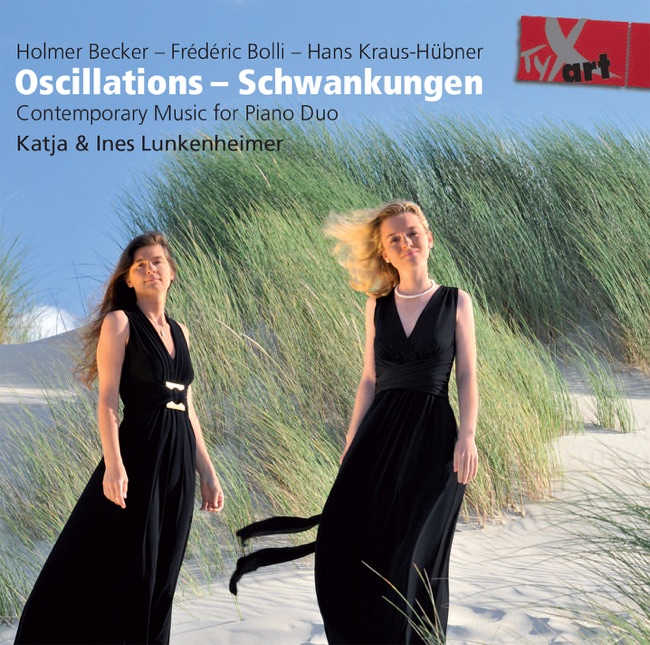 October 11, 2013
 -
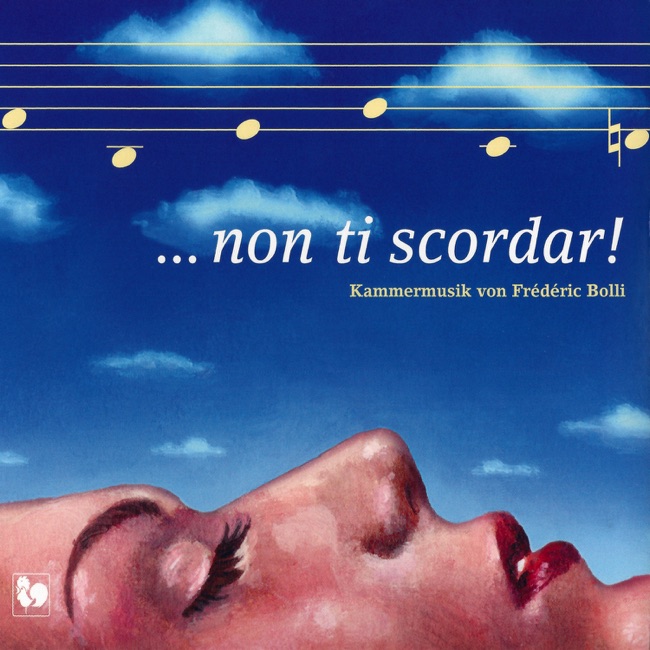 December 11, 2007
Chamber
-
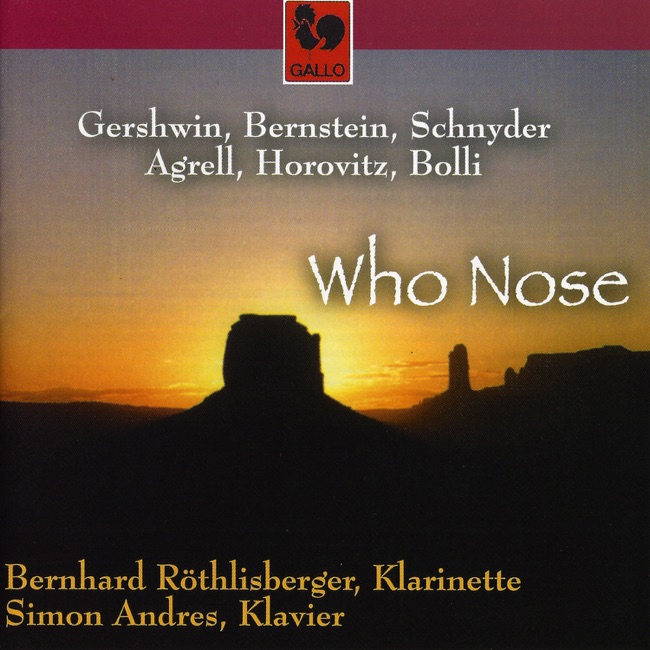 February 24, 1998
Concerto
Artist Info
Role:ComposerCountry: SwitzerlandBirth:1953 in La Chaux-de-Fonds, SwitzerlandPeriod:RomanticContemporaryGenre:ChamberChoralFrederic Bolli was a renowned classical music composer who was born on January 12, 1925, in Geneva, Switzerland. He was the youngest of three children born to a family of musicians. His father was a violinist, and his mother was a pianist. Bolli's parents recognized his musical talent at an early age and encouraged him to pursue a career in music. Bolli began his musical education at the Geneva Conservatory, where he studied composition with the renowned composer Arthur Honegger. He also studied piano and violin, and his talent on both instruments was evident from an early age. Bolli's early compositions were heavily influenced by the works of Honegger, as well as by the music of Bach, Mozart, and Beethoven. After completing his studies at the Geneva Conservatory, Bolli moved to Paris to continue his musical education. He studied with the composer Olivier Messiaen at the Paris Conservatory, where he was exposed to a wide range of musical styles and techniques. Bolli's time in Paris was a formative period in his development as a composer, and he began to experiment with new forms and structures in his compositions. Bolli's early works were characterized by their clarity and precision, as well as by their use of traditional forms and structures. His compositions were often marked by their rhythmic complexity and their use of polyphony, or the simultaneous sounding of multiple independent melodies. Bolli's music was also notable for its use of tonality, or the system of organizing musical pitches around a central note or key. One of Bolli's early works, the String Quartet No. 1, was composed in 1950 and premiered the following year. The quartet is a tightly structured work that showcases Bolli's skill at writing for the string quartet. The work is marked by its use of complex rhythms and its intricate interplay between the four instruments. In the 1950s, Bolli began to experiment with new forms and techniques in his compositions. He became interested in serialism, a technique in which the twelve notes of the chromatic scale are organized into a series or row that is used as the basis for the composition. Bolli's use of serialism was marked by its clarity and precision, as well as by its incorporation of traditional forms and structures. One of Bolli's most famous works, the Piano Sonata No. 1, was composed in 1955 and premiered the following year. The sonata is a complex and challenging work that showcases Bolli's skill at writing for the piano. The work is marked by its use of serialism, as well as by its intricate rhythms and its virtuosic piano writing. In the 1960s, Bolli began to incorporate electronic music into his compositions. He was fascinated by the possibilities of electronic music, which allowed him to create new sounds and textures that were impossible to achieve with traditional instruments. Bolli's use of electronic music was marked by its experimentation and its incorporation of traditional forms and structures. One of Bolli's most famous works from this period, the Electronic Symphony No. 1, was composed in 1967 and premiered the following year. The symphony is a groundbreaking work that combines traditional orchestral instruments with electronic sounds and textures. The work is marked by its use of complex rhythms and its innovative use of electronic music. Bolli continued to compose throughout the 1970s and 1980s, producing a wide range of works that showcased his versatility and creativity as a composer.More....
Copyright Ⓒ 2013 Davinci Finger. All rights reseved
Service Terms & Policy