


Anton Eberl
Released Album
Chamber
-
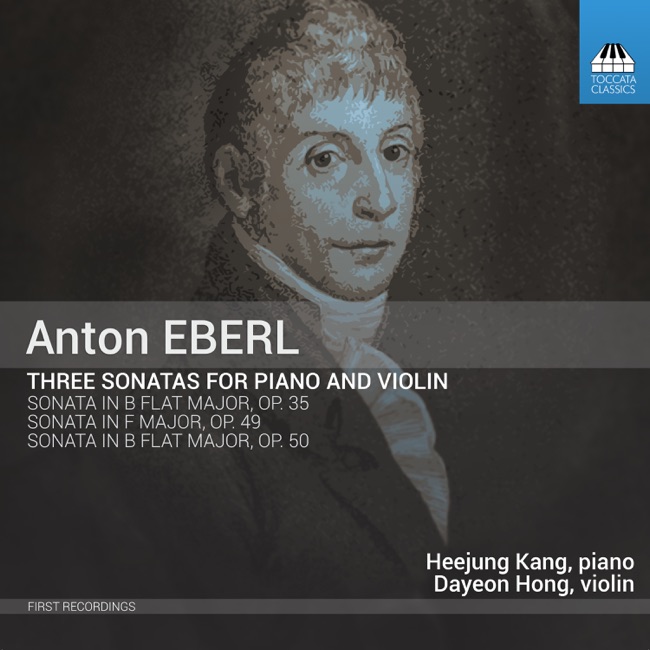 December 29, 2017
 -
 August 1, 2014
 -
 October 31, 2011
 -
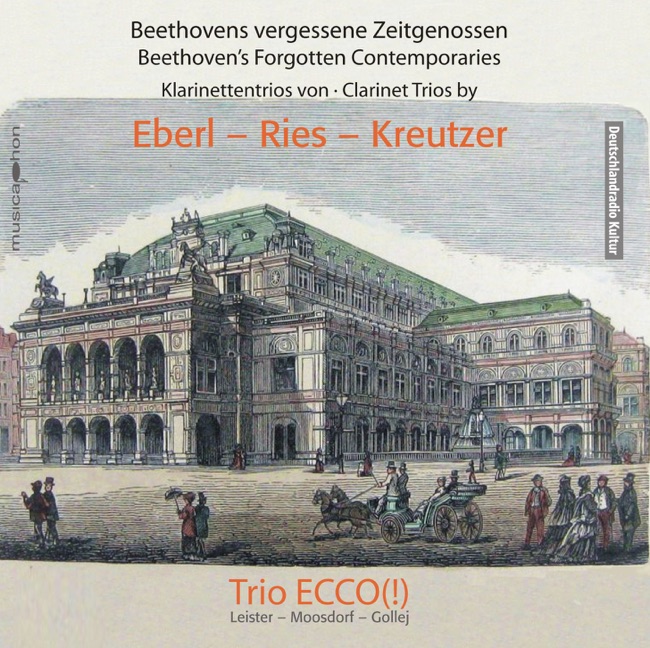 February 1, 2011
 -
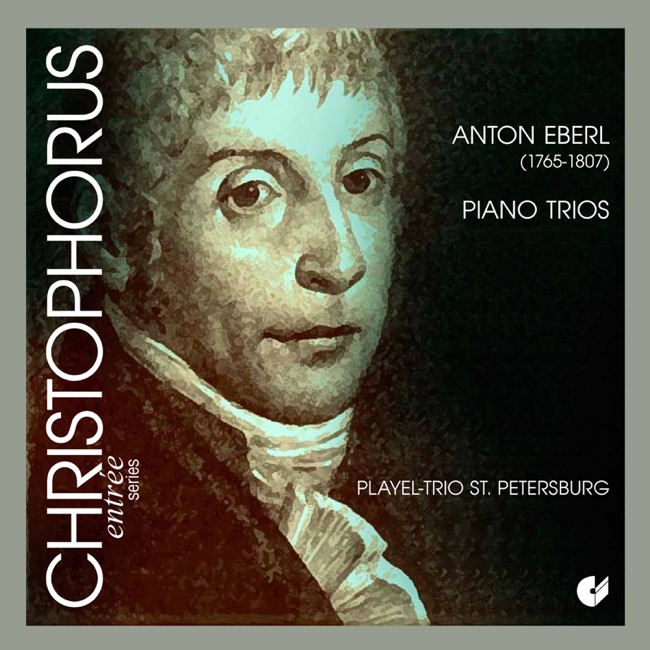 May, 2008
 -
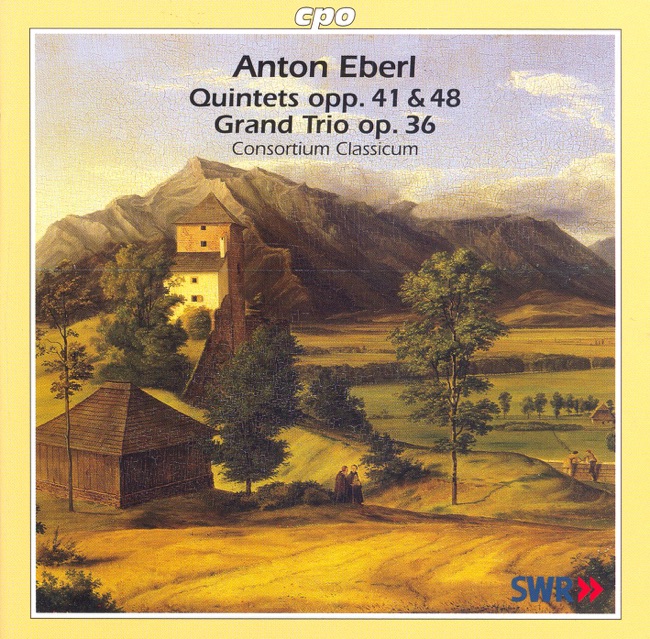 August 28, 2007
Keyboard
-
 May 15, 2024
 -
 September 10, 2021
 -
 July 16, 2021
 -
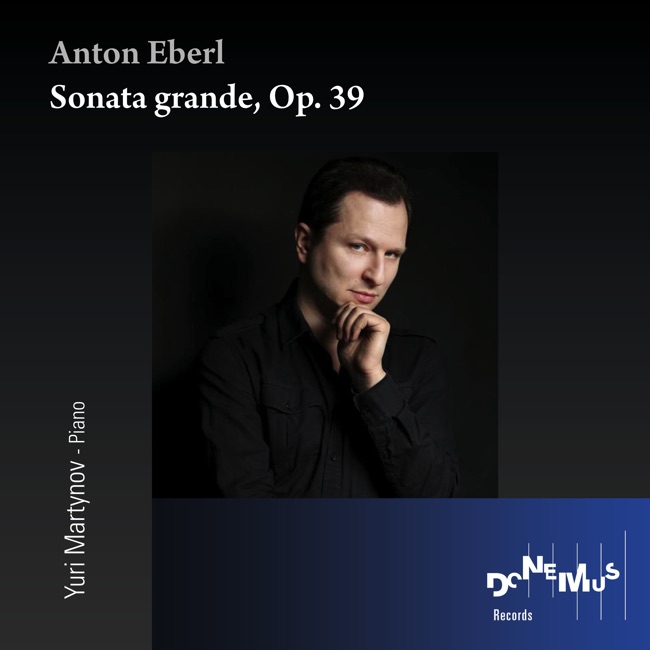 June 4, 2021
 -
 February 7, 2020
 -
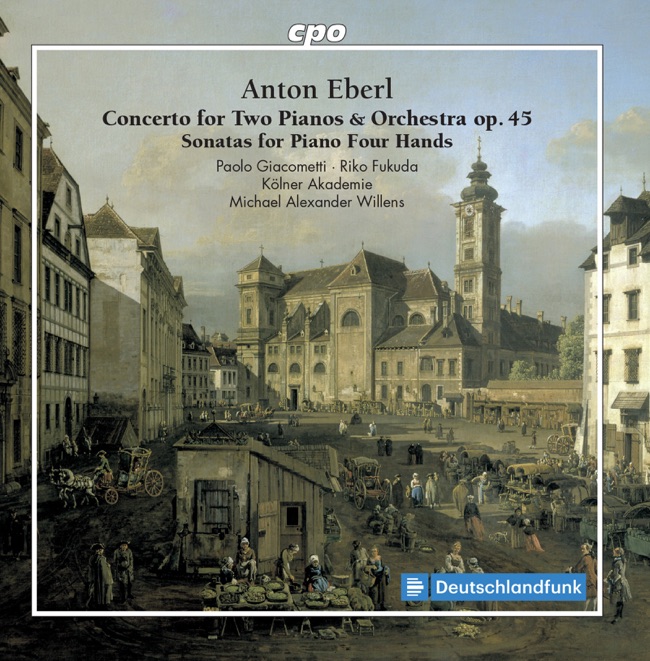
Concerto
-
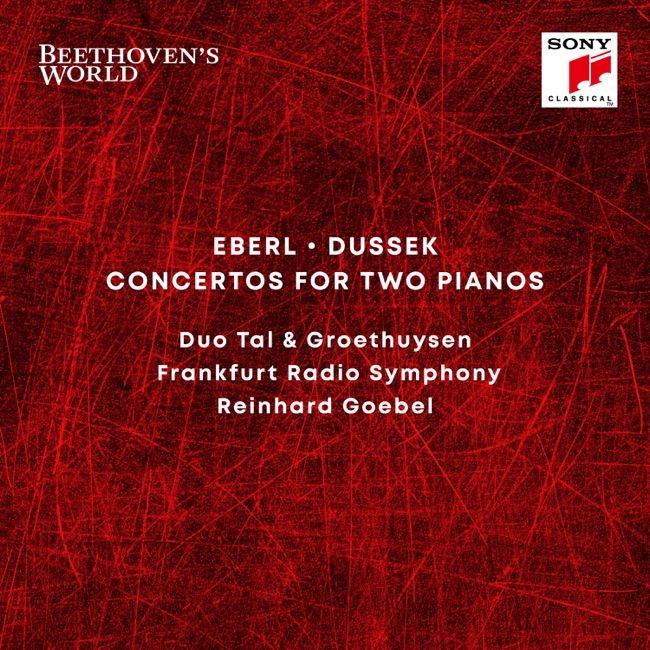 October 16, 2020
 -
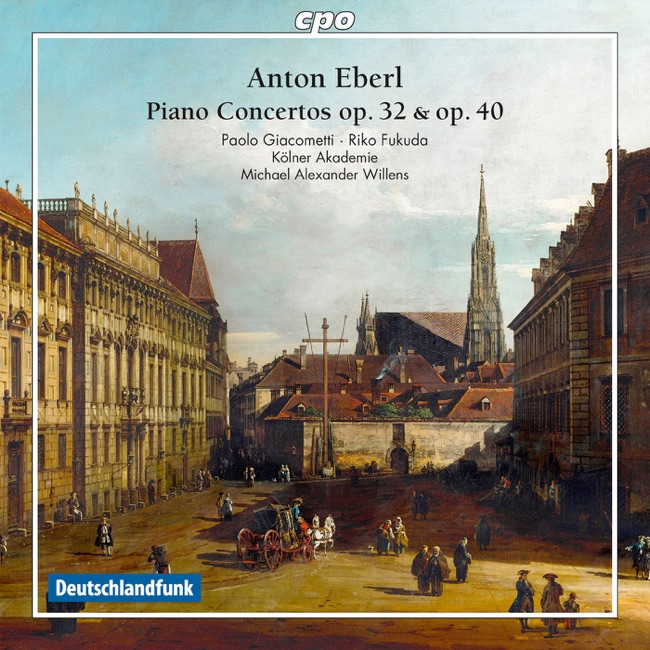 February 24, 2012
Artist Info
Role:ComposerCountry: AustriaBirth:June 13, 1765Death:March 11, 1807Period:ClassicalGenre:ChamberConcertoKeyboardAnton Eberl was a classical music composer born on June 13, 1765, in Vienna, Austria. He was the son of a court musician and began his musical education at a young age. Eberl showed great promise as a pianist and composer, and by the age of 14, he was already performing in public concerts. Eberl's early compositions were heavily influenced by the works of Mozart, who was a close friend and mentor to him. In fact, Eberl was often referred to as "Mozart's successor" due to the similarities in their musical styles. Eberl's first major work, a piano concerto, was composed when he was just 16 years old. In 1784, Eberl was appointed as the court composer to Prince Joseph Franz von Lobkowitz, a prominent patron of the arts in Vienna. This position allowed Eberl to focus on his compositions and to gain recognition as a composer in his own right. During this time, Eberl composed a number of works, including symphonies, chamber music, and operas. One of Eberl's most famous works is his Symphony in E-flat major, which was composed in 1804. This symphony is notable for its use of the clarinet, which was a relatively new instrument at the time. The symphony was well-received by audiences and critics alike and helped to establish Eberl as a leading composer of his time. Eberl's operas were also highly regarded during his lifetime. His most famous opera, "Die Könige von Thule," was first performed in 1799 and was based on a poem by Johann Wolfgang von Goethe. The opera was a critical and commercial success and helped to establish Eberl as a major figure in the Viennese opera scene. Despite his success as a composer, Eberl struggled financially throughout his life. He was often forced to take on teaching positions and other odd jobs to make ends meet. In 1807, Eberl was offered a position as the Kapellmeister at the court of King Jerome Bonaparte in Westphalia. This position provided Eberl with financial stability and allowed him to focus on his compositions. Eberl's later works were heavily influenced by the Romantic movement, which was gaining popularity in Europe at the time. His Symphony in C minor, which was composed in 1811, is a prime example of this style. The symphony is notable for its use of dramatic contrasts and emotional intensity. Eberl continued to compose until his death in 1807. Despite his contributions to classical music, Eberl's works were largely forgotten after his death. It was not until the 20th century that his music began to be rediscovered and appreciated by modern audiences. Today, Anton Eberl is remembered as a talented composer who made significant contributions to the classical music canon. His works continue to be performed and recorded by orchestras and ensembles around the world, ensuring that his legacy will live on for generations to come.More....
Recent Artist Music

9
13:8
12
14:45
13
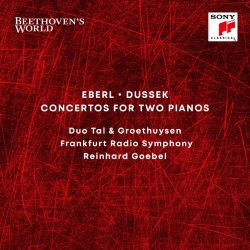
15:18

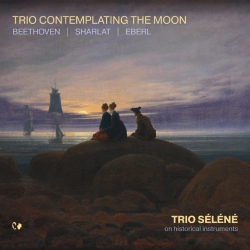

Copyright Ⓒ 2013 Davinci Finger. All rights reseved
Service Terms & Policy