


Wayne Hankin
Released Album
Opera
-
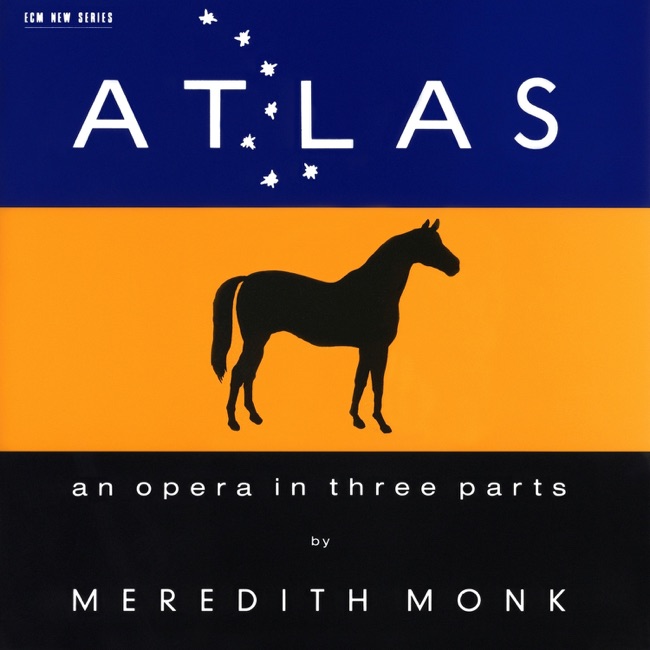 June, 1993
Musical Theatre
-
 February 5, 2016
Artist Info
Role:Composer ConductorWayne Hankin is a renowned classical music artist who has made significant contributions to the world of music. He was born on August 22, 1950, in New York City, United States. Hankin grew up in a family of musicians, and his father was a professional violinist. This early exposure to music sparked his interest in the art form, and he began playing the recorder at the age of six. Hankin's musical journey began in earnest when he attended the High School of Music and Art in New York City. He studied the recorder, flute, and oboe, and his talent quickly became apparent. After high school, he attended the Manhattan School of Music, where he studied the recorder and early music. He also studied with renowned recorder player Frans Bruggen in Amsterdam. Hankin's career as a professional musician began in the 1970s when he joined the New York Pro Musica Antiqua, a group that specialized in early music. He played the recorder, crumhorn, and other early wind instruments. During this time, he also performed with other early music groups, including the Waverly Consort and the New York Renaissance Band. In the 1980s, Hankin began to focus on composing and arranging music. He wrote music for theater productions, including the Broadway production of "The Three Musketeers." He also composed music for films, including "The Last Temptation of Christ" and "The Age of Innocence." His work in film earned him a nomination for a Grammy Award in 1994. Hankin's talent as a composer and arranger led him to collaborate with other musicians and groups. He worked with the Kronos Quartet, a string quartet known for its contemporary music, and arranged music for the group's album "Pieces of Africa." He also worked with the Chanticleer vocal ensemble, arranging music for their album "Colors of Love." One of Hankin's most significant contributions to the world of music is his work with the medieval music group Sequentia. He joined the group in the 1990s and played a variety of early wind instruments, including the crumhorn, shawm, and bagpipes. He also arranged music for the group and composed original pieces. Sequentia is known for its performances of medieval music, and Hankin's contributions helped to expand the group's repertoire and reach a wider audience. Hankin's work with Sequentia led to some of his most memorable performances. In 1998, the group performed at the Metropolitan Museum of Art in New York City, and Hankin played the shawm and bagpipes. The performance was a critical success, and Hankin's playing was praised for its virtuosity and authenticity. He also performed with Sequentia at the Edinburgh International Festival in Scotland and the Festival of Flanders in Belgium. Hankin's contributions to the world of music have not gone unnoticed. He has received numerous awards and honors throughout his career. In 1994, he was nominated for a Grammy Award for his work on the soundtrack for "The Age of Innocence." He also received a Grammy nomination in 2000 for his work on the album "Lost Music of Early America." In 2003, he received the Early Music America Thomas Binkley Award, which recognizes outstanding contributions to the field of early music. In addition to his work as a musician, Hankin is also a teacher and lecturer. He has taught at the Juilliard School and the Mannes College of Music in New York City. He has also given lectures and workshops on early music and the recorder at universities and music schools around the world.More....
Recent Artist Music
Copyright Ⓒ 2013 Davinci Finger. All rights reseved
Service Terms & Policy