


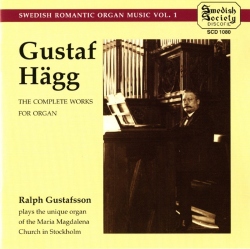
Gustaf Hägg
Released Album
Keyboard
-
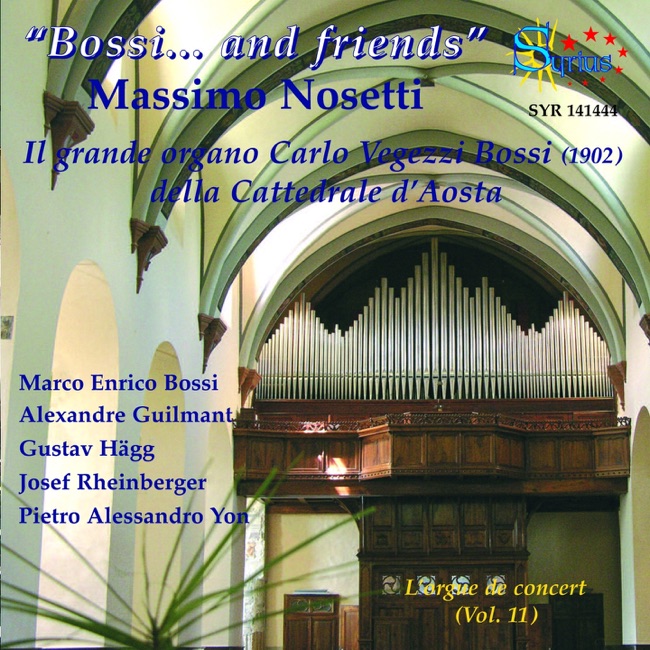 August 6, 2012
 -
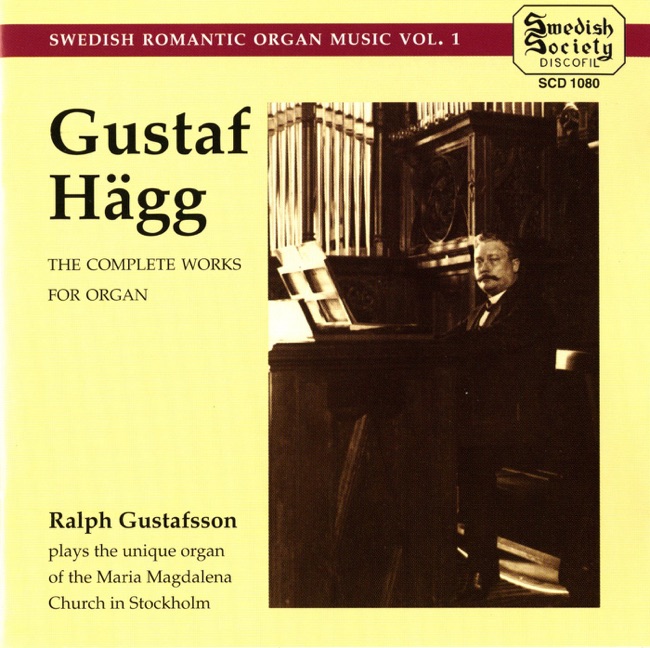 January 1, 2000
Chamber
-
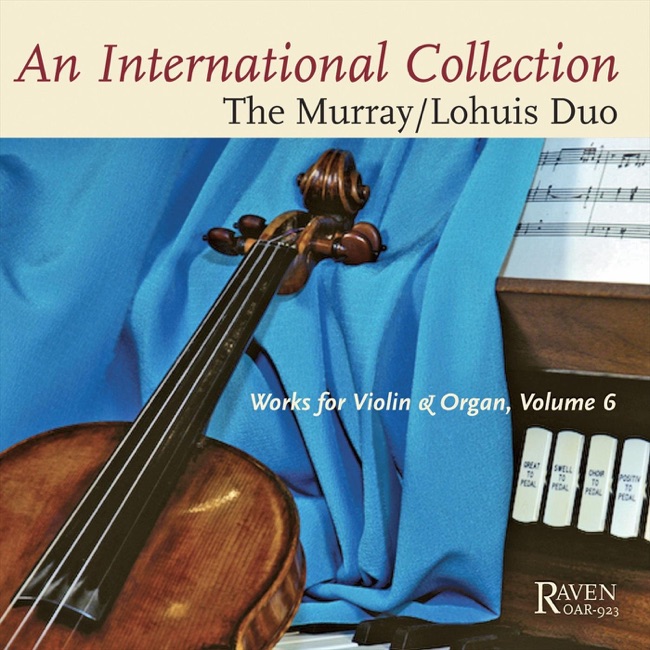 November 9, 2010
 -
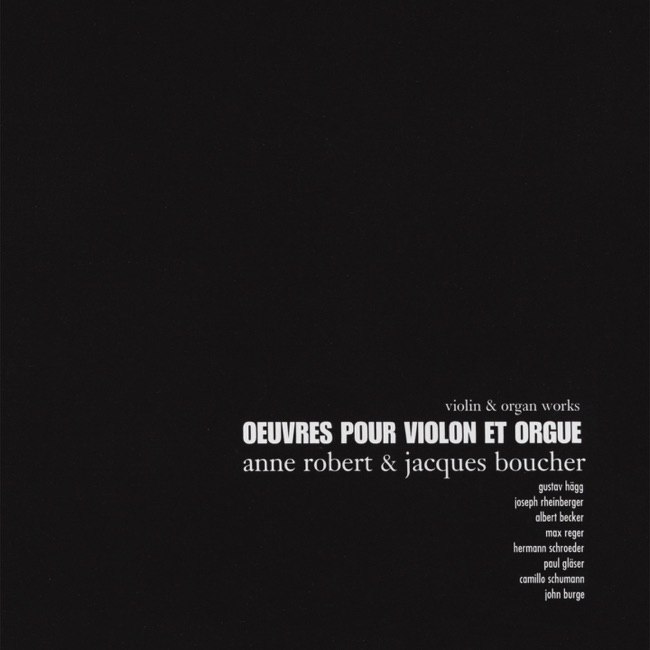 September 8, 2009
Artist Info
Role:ComposerBirth:1867Death:1925Genre:KeyboardGustaf Hägg was a Swedish composer who lived from 1867 to 1925. He was born in the town of Västerås, Sweden, and showed an early interest in music. His parents were both amateur musicians, and they encouraged him to pursue his passion for music. Hägg began his formal musical education at the age of 10, when he started taking piano lessons. He quickly showed a talent for the instrument, and by the age of 14, he was already composing his own music. He continued his studies at the Royal College of Music in Stockholm, where he studied composition with Johan Lindegren and piano with Richard Andersson. After completing his studies, Hägg began his career as a composer and pianist. He quickly gained a reputation as one of Sweden's most promising young composers, and his music was performed by some of the country's leading orchestras and ensembles. In 1893, he was awarded a scholarship to study in Paris, where he studied with the renowned composer Gabriel Fauré. Hägg's music is characterized by its lyrical melodies, rich harmonies, and colorful orchestration. He was particularly interested in the music of the Romantic era, and his compositions often reflect this influence. His works include symphonies, chamber music, piano pieces, and songs. One of Hägg's most famous works is his Symphony No. 1 in C minor, which was premiered in 1896. The symphony is a large-scale work that showcases Hägg's skill as an orchestrator. It is characterized by its sweeping melodies, lush harmonies, and dramatic contrasts. The symphony was well-received by audiences and critics alike, and it helped establish Hägg as one of Sweden's leading composers. Another notable work by Hägg is his Piano Concerto in A minor, which was premiered in 1901. The concerto is a virtuosic work that showcases Hägg's skill as a pianist as well as a composer. It is characterized by its lyrical melodies, intricate harmonies, and brilliant piano writing. The concerto has become a staple of the piano repertoire and is still performed regularly today. Hägg also wrote a number of chamber music works, including several string quartets and a piano trio. These works are characterized by their intimate, conversational style and their intricate interplay between the instruments. Hägg's chamber music is often compared to that of Brahms and Schumann, and it has been praised for its emotional depth and technical sophistication. In addition to his work as a composer, Hägg was also a respected music educator. He taught at the Royal College of Music in Stockholm for many years, and he was known for his dedication to his students and his innovative teaching methods. Many of his students went on to become successful composers and performers in their own right. Hägg's life and career were cut short by his untimely death in 1925. However, his music continues to be performed and admired by musicians and audiences around the world. His legacy as one of Sweden's greatest composers is secure, and his influence can be heard in the work of many contemporary composers.More....
Recent Artist Music
Copyright Ⓒ 2013 Davinci Finger. All rights reseved
Service Terms & Policy