


Frank Ezra Lévy
Released Album
Chamber
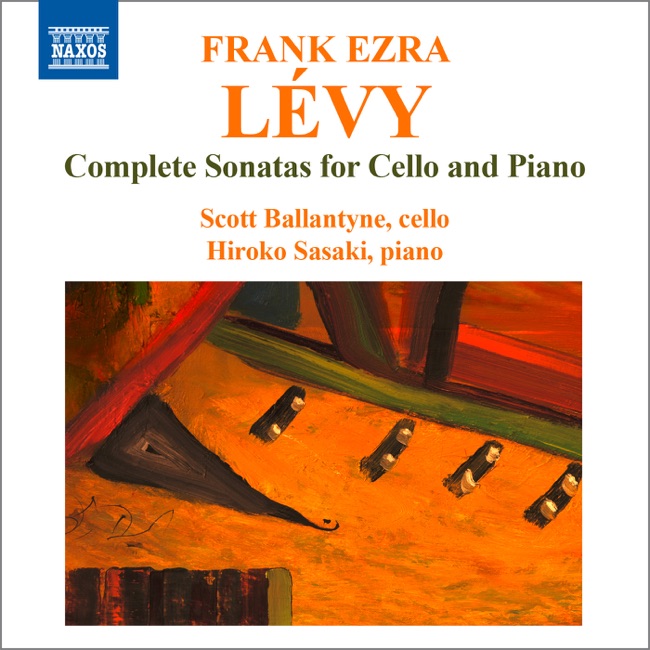

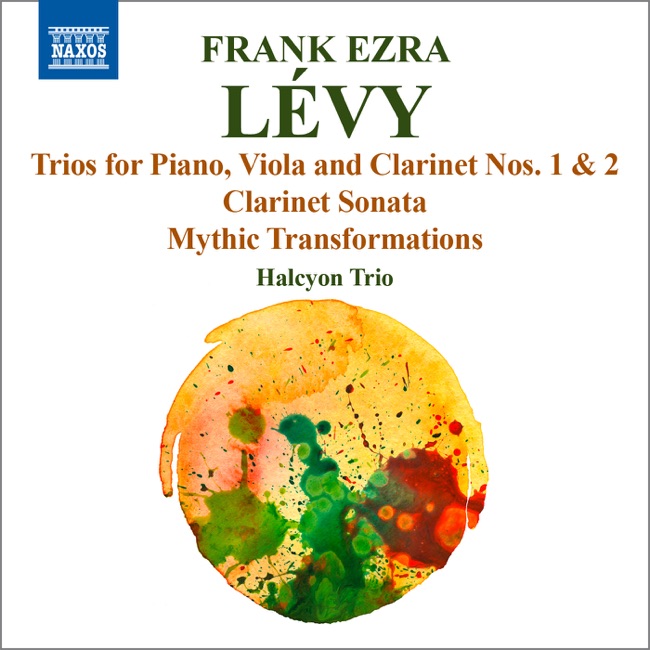
Concerto
-
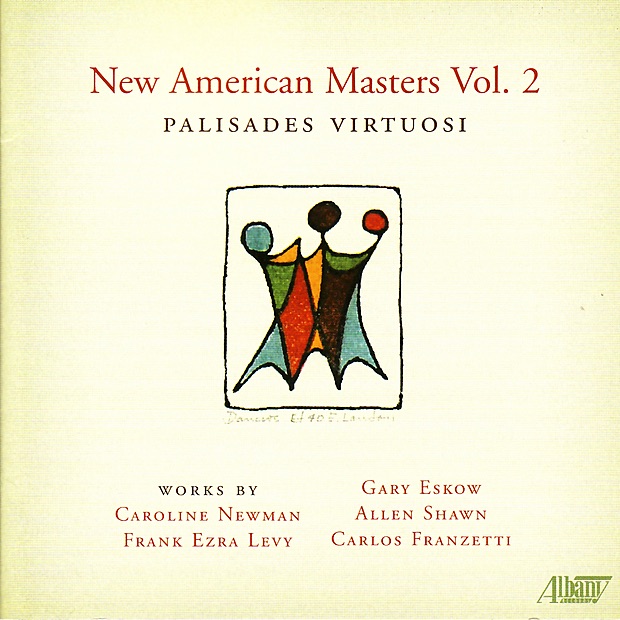
 December 13, 2005
 -
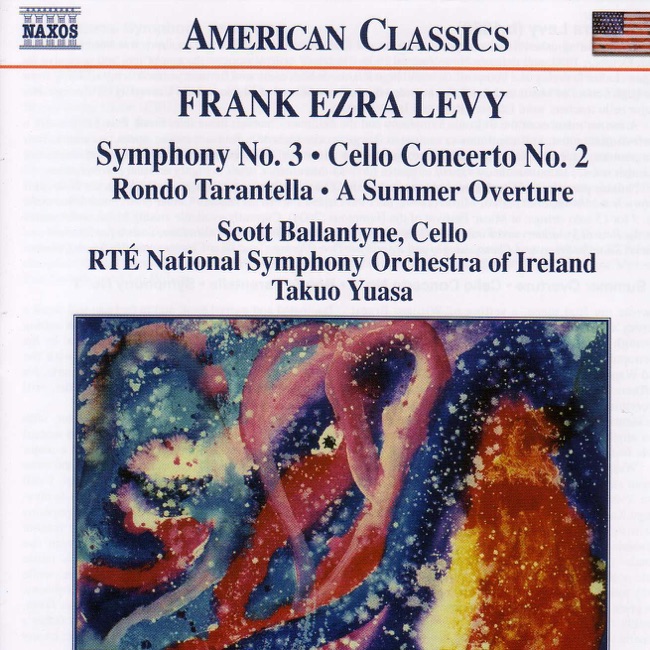
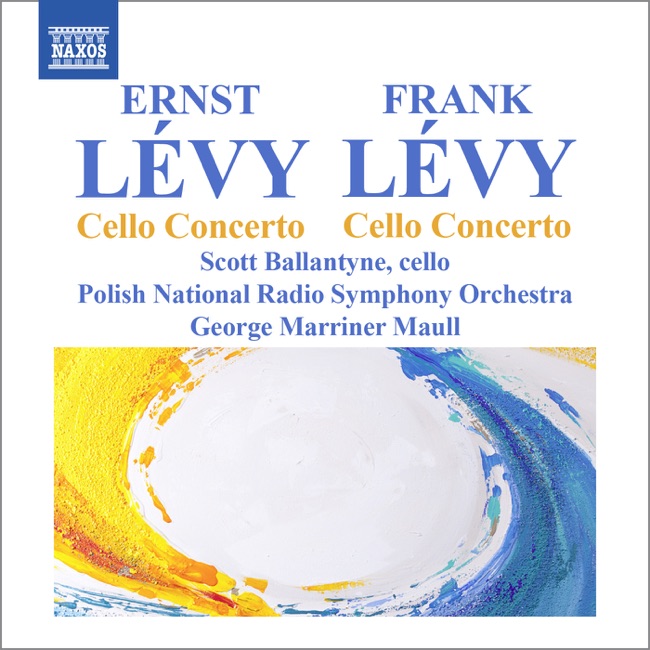 August 27, 2002
Orchestral
-
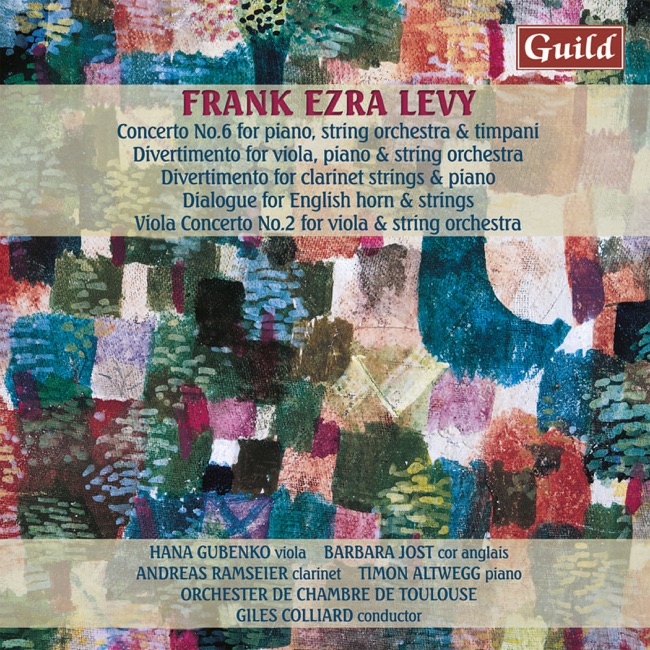 June 15, 2018
Artist Info
Role:ComposerBirth:1930 in Paris, FrancePeriod:ContemporaryGenre:ConcertoSymphonyFrank Ezra Lévy was a classical music composer who was born on May 4, 1887, in London, England. He was the son of a Jewish family who had emigrated from Russia to England. His father was a tailor, and his mother was a homemaker. Lévy showed an early interest in music and began playing the piano at a young age. He was also interested in literature and poetry, which would later influence his compositions. Lévy studied music at the Royal Academy of Music in London, where he was a student of Frederick Corder. He also studied composition with Charles Villiers Stanford, who was a prominent composer and teacher at the time. Lévy was a talented student and won several awards and scholarships during his time at the academy. After completing his studies, Lévy began his career as a composer and pianist. He performed his own compositions in concerts and recitals throughout England and Europe. He also worked as a music critic for several newspapers and magazines, including The Times and The Musical Times. Lévy's early compositions were influenced by the Romantic style of music, which was popular in the late 19th and early 20th centuries. His works were characterized by lush harmonies, expressive melodies, and dramatic contrasts. Some of his early works include the Piano Sonata in B-flat minor, Op. 1, and the String Quartet in D minor, Op. 2. In the 1920s, Lévy's style began to change, and he became interested in the modernist movement in music. He was particularly influenced by the works of Arnold Schoenberg and his students, who were experimenting with atonal and twelve-tone music. Lévy began to incorporate these techniques into his own compositions, which resulted in a more dissonant and complex style of music. One of Lévy's most famous works from this period is his Piano Concerto No. 1, Op. 10, which was premiered in 1926. The concerto is a virtuosic work that showcases Lévy's technical skill as a pianist and his innovative approach to composition. The work is characterized by its use of dissonant harmonies, irregular rhythms, and unconventional forms. In addition to his compositions, Lévy was also a respected music educator. He taught at several institutions, including the Royal Academy of Music and the Guildhall School of Music and Drama. He was known for his rigorous teaching style and his emphasis on the importance of technique and musical expression. Lévy's later works continued to explore new musical ideas and techniques. He was particularly interested in the use of electronic music and collaborated with the BBC Radiophonic Workshop to create several works that incorporated electronic sounds. One of his most famous works from this period is his Symphony No. 3, Op. 50, which was premiered in 1960. The symphony is a complex and challenging work that incorporates electronic sounds and unconventional forms. Lévy continued to compose and perform until his death on November 4, 1968, in London, England. He left behind a legacy of innovative and challenging works that continue to be performed and studied by musicians and music lovers around the world. In conclusion, Frank Ezra Lévy was a talented and innovative composer who made significant contributions to the world of classical music. His works were characterized by their expressive melodies, lush harmonies, and innovative use of new musical techniques. He was also a respected music educator who influenced generations of musicians through his teaching and mentorship.More....
Recent Artist Music
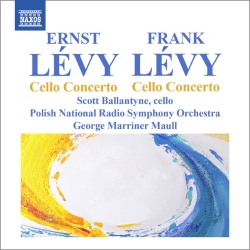
4
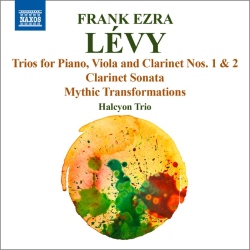
3:16

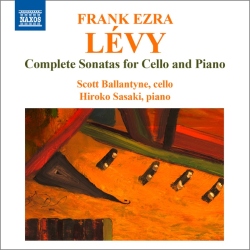
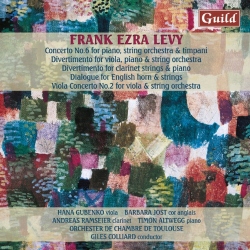
Copyright Ⓒ 2013 Davinci Finger. All rights reseved
Service Terms & Policy