


Makoto Nomura
Released Album
Keyboard
-
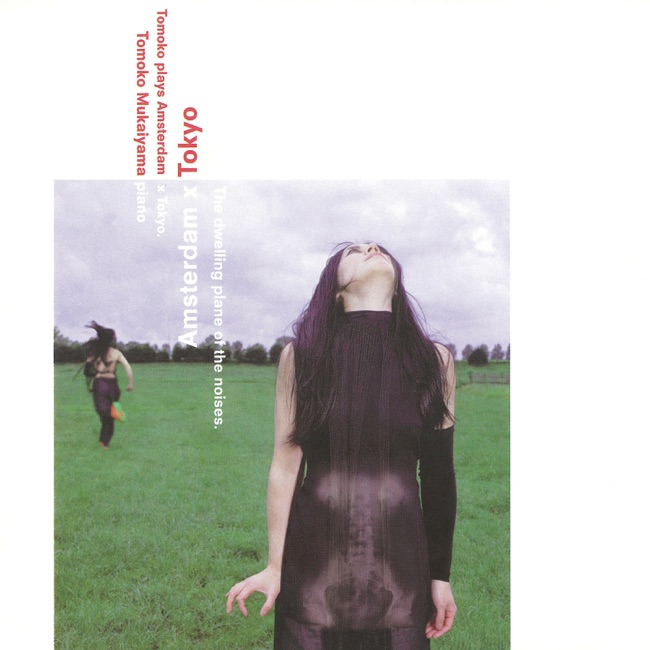 2000
2000
Chamber
-
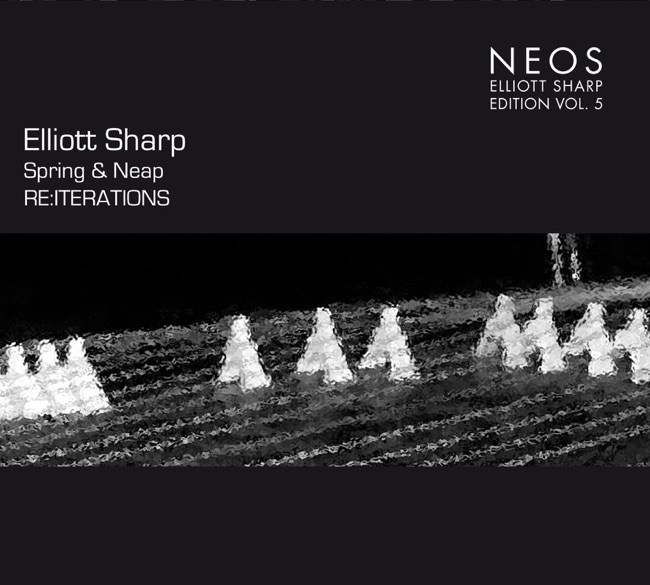 April 14, 2008
Artist Info
Role:ComposerMakoto Nomura is a Japanese composer of classical music who was born on December 12, 1957, in Tokyo, Japan. He grew up in a family of musicians, with his father being a composer and his mother a pianist. Nomura began playing the piano at a young age and showed a natural talent for music. He went on to study composition at the Tokyo National University of Fine Arts and Music, where he received his Bachelor of Music degree in 1981. Nomura's early works were heavily influenced by the Western classical music tradition, particularly the works of composers such as Bach, Beethoven, and Brahms. However, he also drew inspiration from Japanese traditional music and incorporated elements of it into his compositions. His music is characterized by its intricate harmonies, complex rhythms, and use of unconventional instruments. One of Nomura's early works, "Piano Sonata No. 1," was composed in 1980 and premiered the following year. The piece is a four-movement work that showcases Nomura's technical skill as a composer and pianist. The first movement is a lively and energetic allegro, while the second movement is a slow and contemplative adagio. The third movement is a scherzo, with a playful and whimsical character, and the final movement is a virtuosic allegro that brings the piece to a thrilling conclusion. In 1983, Nomura received a scholarship to study at the Hochschule für Musik und Theater in Hannover, Germany. While there, he studied with the renowned composer and conductor Hans Werner Henze, who had a significant influence on Nomura's musical style. Henze encouraged Nomura to explore new and unconventional approaches to composition, and this led to a period of experimentation in Nomura's work. One of the most significant works from this period is "Kanashimi no Tango" (Tango of Sadness), which was composed in 1985. The piece is a haunting and melancholic work that features a solo violin accompanied by a string orchestra. The piece is notable for its use of dissonant harmonies and unconventional rhythms, which create a sense of unease and tension. Nomura's music continued to evolve throughout the 1990s and 2000s, with a focus on incorporating elements of Japanese traditional music into his compositions. One of his most significant works from this period is "Koto Concerto," which was composed in 1995. The piece is a concerto for koto, a traditional Japanese stringed instrument, and orchestra. The piece combines elements of Western classical music with traditional Japanese music, creating a unique and captivating sound. Another notable work from this period is "Symphony No. 2," which was composed in 2001. The piece is a four-movement work that showcases Nomura's skill as an orchestrator. The first movement is a lively and energetic allegro, while the second movement is a slow and contemplative adagio. The third movement is a scherzo, with a playful and whimsical character, and the final movement is a virtuosic allegro that brings the piece to a thrilling conclusion. Nomura's music has been performed by orchestras and ensembles around the world, including the Tokyo Philharmonic Orchestra, the Berlin Philharmonic Orchestra, and the New York Philharmonic Orchestra. He has received numerous awards and honors for his work, including the Otaka Prize in 1981 and the Japan Academy Prize in 2002. In addition to his work as a composer, Nomura is also a respected music educator.More....
Recent Artist Music
Copyright Ⓒ 2013 Davinci Finger. All rights reseved
Service Terms & Policy