


Jan Josef Ignác Brentner
Released Album
Vocal
-
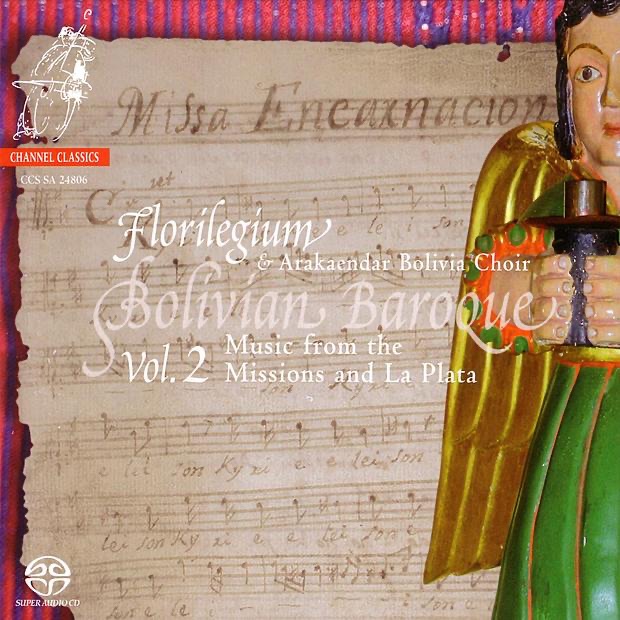 November 14, 2006
Concerto
-
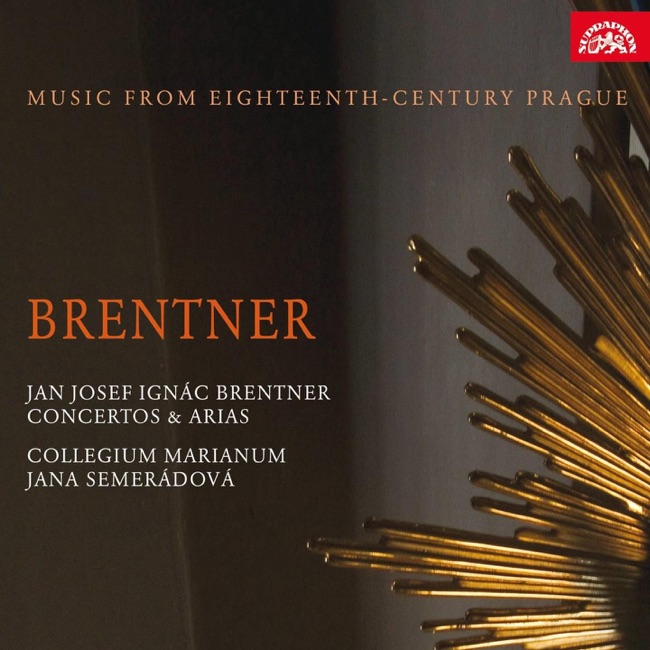 July 31, 2009
Artist Info
Role:ComposerCountry: Czech RepublicBirth:November 3, 1689 in Dobrany, Czech RepublicDeath:June 28, 1742 in Dobrany, Czech RepublicPeriod:BaroqueGenre:ChoralJan Josef Ignác Brentner was a Czech composer of the Baroque era, born on March 6, 1689, in the town of Klatovy, Bohemia. He was the son of a musician, and his father was his first teacher. Brentner showed an early aptitude for music, and by the age of 12, he was already composing his own works. Brentner's musical education continued at the Jesuit college in Prague, where he studied under the renowned composer Johann Joseph Fux. He also studied with other prominent musicians of the time, including Johann Heinrich Schmelzer and Johann Georg Pisendel. In 1710, Brentner was appointed as the organist at the Church of St. James in Prague, a position he held for the rest of his life. He also served as the music director at the church, where he composed and performed many of his works. Brentner's music was heavily influenced by the Italian Baroque style, which was popular in Europe at the time. His compositions were characterized by their intricate counterpoint, rich harmonies, and expressive melodies. He was particularly skilled at writing for the organ, and many of his works were written for this instrument. One of Brentner's most famous works is his Missa Sancti Josephi, a mass written in honor of St. Joseph. The mass is scored for choir, soloists, and orchestra, and features Brentner's signature use of counterpoint and rich harmonies. The work was first performed in 1720 and was well-received by audiences and critics alike. Another notable work by Brentner is his Sonata a 3 in D major, which is scored for two violins and basso continuo. The sonata is a prime example of Brentner's skill at writing for chamber ensembles, and it features intricate melodies and harmonies that showcase the talents of the performers. Brentner also wrote a number of works for the organ, including his Prelude and Fugue in G minor. The piece is a virtuosic showcase for the organist, featuring complex counterpoint and a dramatic fugue that builds to a thrilling climax. Despite his talent and success as a composer, Brentner's music fell out of favor after his death in 1742. It wasn't until the 20th century that his works began to be rediscovered and performed again. Today, Brentner is recognized as one of the most important Czech composers of the Baroque era, and his music continues to be performed and enjoyed by audiences around the world.More....
Recent Artist Music

Copyright Ⓒ 2013 Davinci Finger. All rights reseved
Service Terms & Policy