


Philip Grange
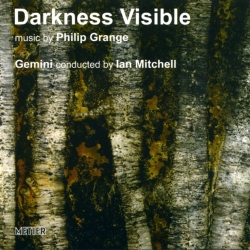
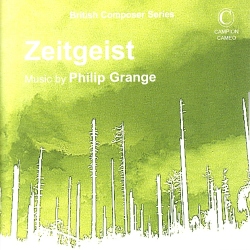
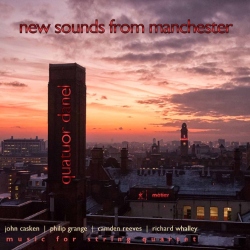
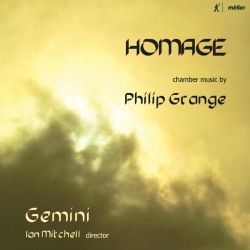
Released Album
Chamber
-
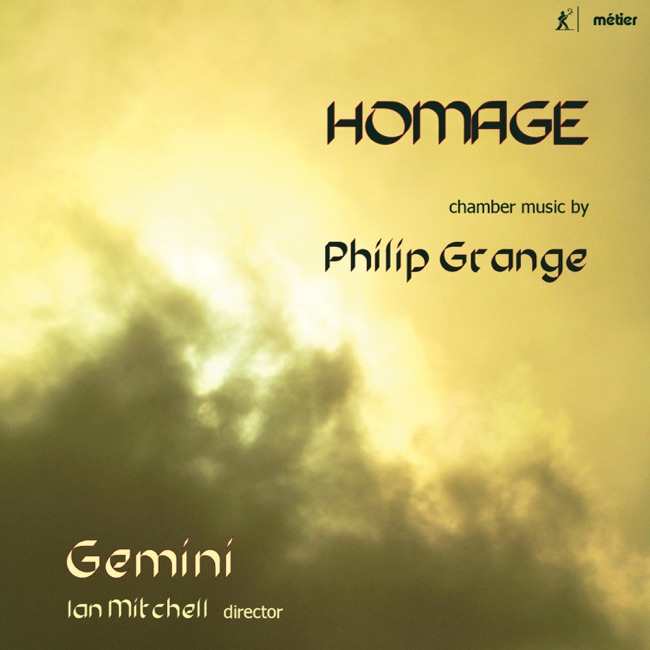 September 20, 2019
 -
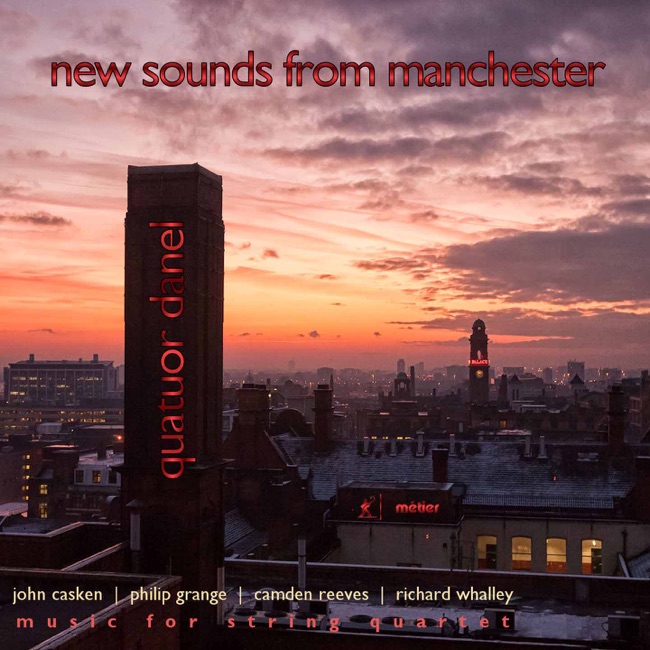 July 10, 2015
 -
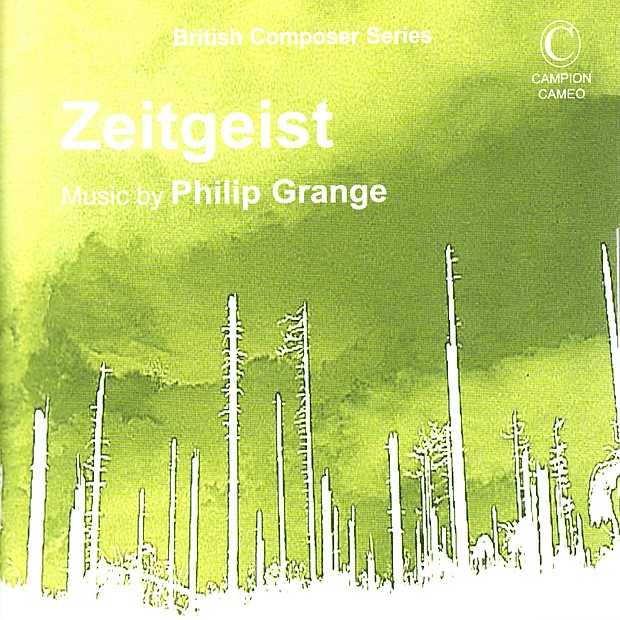 October 23, 2007
 -
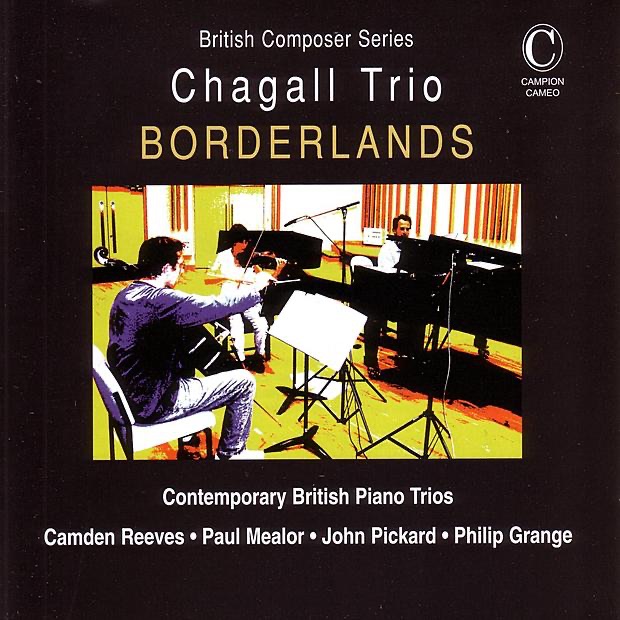 December 26, 2006
 -
 June 1, 2005
Vocal
-
 March 31, 2009
Keyboard
-
 March 26, 2007
Artist Info
Role:ComposerBirth:1956Period:ContemporaryGenre:ChamberVocalPhilip Grange is a British composer who has made significant contributions to the world of classical music. Born on October 16, 1956, in London, Grange grew up in a family of musicians. His father was a jazz pianist, and his mother was a singer. Grange started playing the piano at a young age and showed a keen interest in music from an early age. Grange attended the Royal College of Music in London, where he studied composition with John Lambert and Joseph Horovitz. He also studied with Franco Donatoni at the Accademia Nazionale di Santa Cecilia in Rome. Grange's early works were influenced by the music of Stravinsky, Bartok, and Messiaen, but he soon developed his own unique style. Grange's music is characterized by its complexity and its use of unconventional techniques. He often uses extended techniques, such as playing inside the piano or using unusual instruments, to create new sounds. His music is also known for its use of intricate rhythms and harmonies. Grange's first major work was his String Quartet No. 1, which was premiered in 1983. The piece was well-received and established Grange as a promising young composer. He went on to write a number of other chamber works, including a Piano Trio and a Wind Quintet. In the 1990s, Grange began to focus more on orchestral music. He wrote a number of works for orchestra, including his Symphony No. 1, which was premiered by the BBC Symphony Orchestra in 1995. The piece was praised for its bold use of orchestration and its complex structure. Grange's music has been performed by many of the world's leading orchestras and ensembles, including the London Symphony Orchestra, the BBC Symphony Orchestra, and the Arditti Quartet. He has also been commissioned by a number of prestigious organizations, including the Royal Opera House and the BBC Proms. One of Grange's most notable works is his opera, "The Dream of the Rood," which was premiered in 2008. The opera is based on an Old English poem and tells the story of the crucifixion from the perspective of the cross. The piece was praised for its innovative use of music and its powerful emotional impact. Grange has also been recognized for his contributions to music education. He has taught at a number of universities, including the University of Birmingham and the Royal Welsh College of Music and Drama. He has also served as a mentor to many young composers and has been a strong advocate for new music. In addition to his work as a composer and educator, Grange has also been involved in a number of music organizations. He has served on the board of the Society for the Promotion of New Music and has been a member of the British Academy of Composers and Songwriters. Grange's music has been described as challenging and thought-provoking, but also deeply emotional. His use of unconventional techniques and complex structures has made him one of the most innovative composers of his generation. Despite his many achievements, Grange remains humble and dedicated to his craft, always striving to push the boundaries of what is possible in classical music.More....
Copyright Ⓒ 2013 Davinci Finger. All rights reseved
Service Terms & Policy