


Robert Führer
Released Album
Keyboard
-
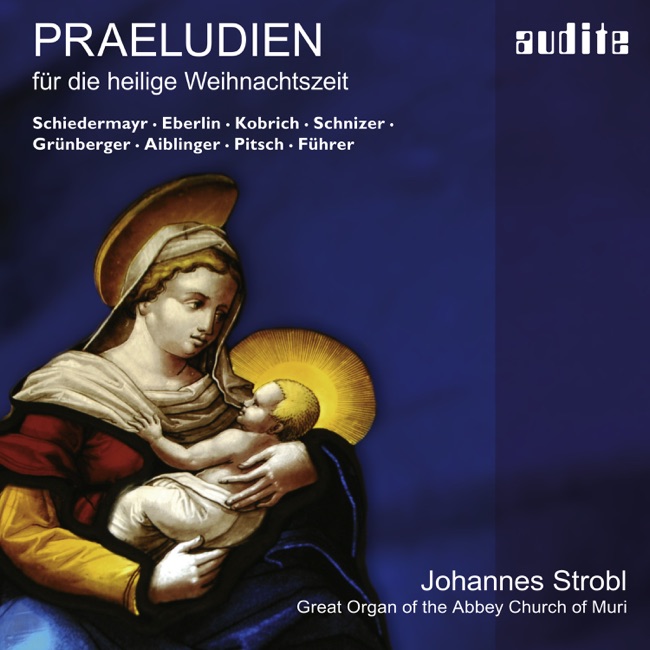 October 30, 2009
Choral
-
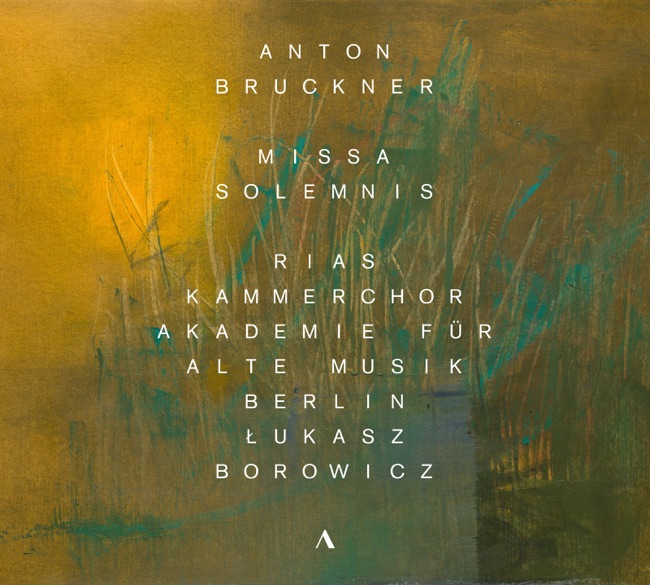 March 2, 2018
Artist Info
Role:ComposerCountry: Czech RepublicBirth:June 2, 1807Death:November 28, 1861Period:RomanticGenre:VocalRobert Führer was a German composer and organist who lived during the late 18th and early 19th centuries. He was born on January 15, 1807, in the town of Schnepfenthal, which is located in the state of Thuringia. Führer was the son of a schoolteacher, and he showed an early interest in music. He began playing the piano at a young age and later learned to play the organ. Führer's musical talent was recognized early on, and he was sent to study music in Leipzig when he was just 14 years old. He studied with some of the most prominent musicians of the time, including Felix Mendelssohn and Robert Schumann. Führer was a gifted student, and he quickly became known for his skill as an organist. After completing his studies in Leipzig, Führer returned to his hometown of Schnepfenthal, where he became the organist at the local church. He held this position for the rest of his life, and he became known throughout the region for his musical talent. Führer composed a wide variety of music, including choral works, chamber music, and pieces for the organ. His music was heavily influenced by the works of Bach and Handel, and he was known for his skillful use of counterpoint and his ability to create complex musical structures. One of Führer's most famous works is his Sonata in C minor for Organ. This piece is a tour de force of organ music, and it showcases Führer's skill as a composer and organist. The sonata is divided into four movements, each of which is characterized by a different mood and musical style. The first movement is dark and brooding, while the second is more lyrical and melodic. The third movement is a lively scherzo, and the final movement is a triumphant fugue. Another notable work by Führer is his Mass in D minor. This piece is a choral work that features a large choir and orchestra. The Mass is divided into several sections, including the Kyrie, Gloria, Credo, Sanctus, and Agnus Dei. Führer's use of counterpoint and his skillful handling of the choir and orchestra make this Mass a masterpiece of choral music. Führer's music was well-regarded during his lifetime, and he was known throughout Germany as one of the most talented composers of his time. However, his music fell out of favor after his death, and it was largely forgotten for many years. It was not until the 20th century that Führer's music began to be rediscovered and appreciated once again. Today, Führer is recognized as one of the most important composers of the Romantic era. His music is characterized by its complexity, its use of counterpoint, and its skillful handling of the organ and choir. Führer's legacy lives on through his music, which continues to be performed and enjoyed by music lovers around the world.More....
Recent Artist Music
2
Christ factus est, graduale for chorus (or solo quartet ad lib.) in F minor, KolF 87/14
Christus factus est Graduale in F minor KolF 87/14 for mixed choir (or solo quartet ad lib.), organ, and orchestra: Largo appassionato, e molto expressivo
2:38
Copyright Ⓒ 2013 Davinci Finger. All rights reseved
Service Terms & Policy