


Osias Wilenski
Released Album
Chamber
-
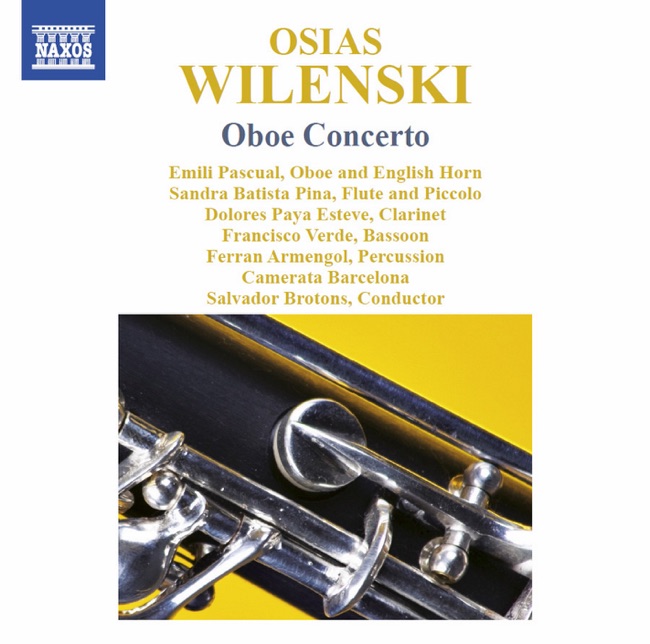 February 3, 2015
 -
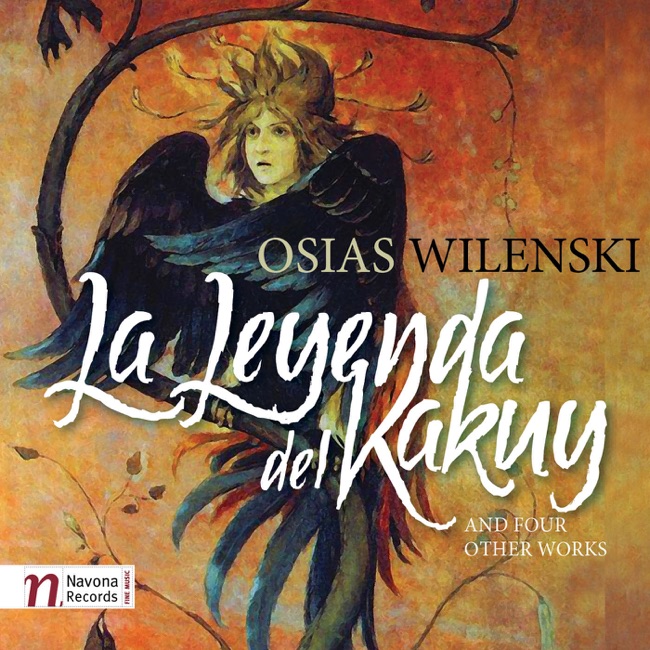 September 1, 2012
Artist Info
Role:Composer ConductorOsias Wilenski was a classical music composer born on December 25, 1907, in Vilnius, Lithuania. He was the youngest of six children in a family of musicians. His father, a cantor, and his mother, a pianist, instilled in him a love for music from a young age. He began playing the piano at the age of four and showed a natural talent for music. Wilenski's family moved to Warsaw when he was a child, and he continued his musical education there. He studied piano with Aleksander Michałowski and composition with Kazimierz Sikorski. He also attended the Warsaw Conservatory, where he studied composition with Kazimierz Sikorski and piano with Aleksander Michałowski. In 1929, Wilenski moved to Paris to study composition with Nadia Boulanger. Boulanger was one of the most influential composition teachers of the 20th century, and her students included Aaron Copland, Philip Glass, and Quincy Jones. Wilenski studied with Boulanger for three years and developed a close relationship with her. She described him as "one of the most gifted and promising young composers of his generation." Wilenski's early works were influenced by the neoclassical style of Stravinsky and the French composers of the time. His first major work, the Piano Concerto No. 1, was premiered in Warsaw in 1932. The concerto was well-received and established Wilenski as a promising young composer. In 1933, Wilenski moved to Palestine (now Israel) and became involved in the cultural life of the Jewish community there. He worked as a music teacher and conductor and composed music for the theater and radio. He also founded the Palestine Conservatory of Music in Jerusalem, which later became the Jerusalem Academy of Music and Dance. Wilenski's music during this period was influenced by Jewish folk music and the music of the Middle East. His most famous work from this period is the Symphony No. 1, which was premiered in Tel Aviv in 1938. The symphony is a powerful and emotional work that reflects the struggles and aspirations of the Jewish people. During World War II, Wilenski moved to the United States and settled in New York City. He continued to compose music and became involved in the American music scene. He worked as a music teacher and conductor and composed music for the theater and radio. He also founded the Wilenski School of Music in New York City, which later became the Wilenski Conservatory of Music. Wilenski's music during this period was influenced by American jazz and popular music. His most famous work from this period is the Piano Concerto No. 2, which was premiered in New York City in 1947. The concerto is a lively and rhythmic work that reflects the energy and excitement of the city. In the 1950s, Wilenski returned to Israel and became involved in the cultural life of the country. He worked as a music teacher and conductor and composed music for the theater and radio. He also founded the Wilenski Music Center in Tel Aviv, which later became the Wilenski Conservatory of Music. Wilenski's music during this period was influenced by the music of the Middle East and the Jewish folk music of Israel. His most famous work from this period is the Symphony No. 2, which was premiered in Tel Aviv in 1958. The symphony is a powerful and emotional work that reflects the struggles and aspirations of the Jewish people in Israel. Wilenski continued to compose music until his death in 1993.More....
Recent Artist Music



Copyright Ⓒ 2013 Davinci Finger. All rights reseved
Service Terms & Policy