


Johann Praetorius
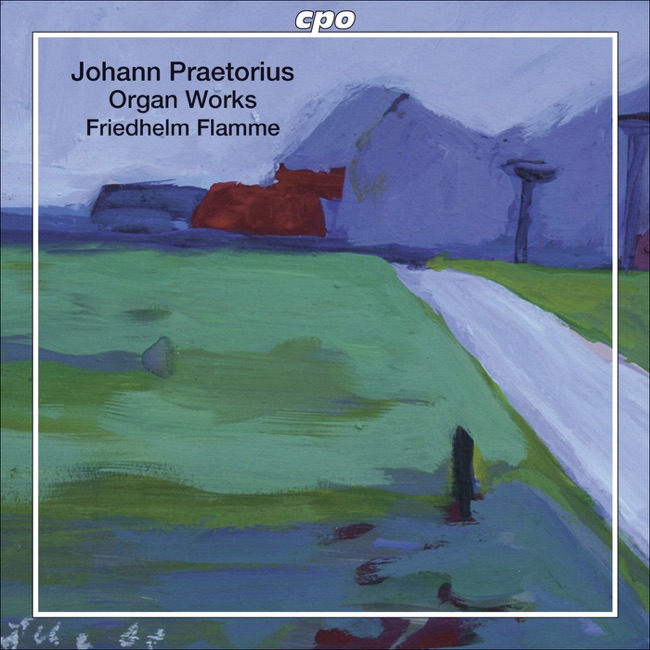
Artist Info
Role:ComposerCountry: GermanyBirth:November 25, 1595 in Hamburg, GermanyDeath:July 25, 1660 in Hamburg, GermanyJohann Praetorius was a German composer and musician who lived during the late Renaissance and early Baroque periods. He was born in Hamburg, Germany in 1571, and was the son of Jacob Praetorius, a well-known organist and composer. Johann Praetorius grew up in a musical family and was exposed to music from a young age. He received his early musical education from his father and later studied with other prominent musicians of the time. Johann Praetorius began his career as a musician and composer in the early 1600s. He worked as an organist and choir director in various churches in Germany, including St. Jacobi in Hamburg and St. Mary's in Lübeck. He also served as the court organist for the Duke of Brunswick-Lüneburg. Praetorius was a prolific composer and wrote music in a variety of genres, including sacred music, secular vocal music, and instrumental music. His sacred music includes a number of motets and chorale settings, many of which were written for use in church services. His secular vocal music includes songs and madrigals, which were often performed at social gatherings and courtly events. One of Praetorius's most famous works is his collection of dances, called "Terpsichore." This collection includes over 300 instrumental dances, including pavanes, galliards, and branles. The dances are named after various mythological figures and are arranged in suites. The collection was published in 1612 and was widely popular throughout Europe. Another notable work by Praetorius is his "Musae Sioniae," a collection of over 1,200 hymns and chorales. The collection was published in 1605 and was intended for use in Lutheran churches. The hymns and chorales are arranged by liturgical season and include settings of well-known hymns such as "A Mighty Fortress Is Our God" and "O Sacred Head, Now Wounded." Praetorius's music is characterized by its rich harmonies and intricate counterpoint. He was known for his skillful use of chromaticism and his ability to create complex textures with multiple voices. His music was highly influential in the development of the Baroque style, and his works were widely performed and admired during his lifetime. Johann Praetorius died in Hamburg in 1621, at the age of 50. He left behind a legacy of music that continues to be admired and studied by musicians and scholars today. His contributions to the development of Baroque music and his skill as a composer and musician have earned him a place among the great composers of the Renaissance and Baroque periods.More....
Copyright Ⓒ 2013 Davinci Finger. All rights reseved
Service Terms & Policy