


Sunleif Rasmussen
Released Album
Chamber
-
 September 14, 2012
 -
 May 31, 2011
 -
 November 5, 2007
 -
 July 31, 2007
 -
 February 22, 2005
 -
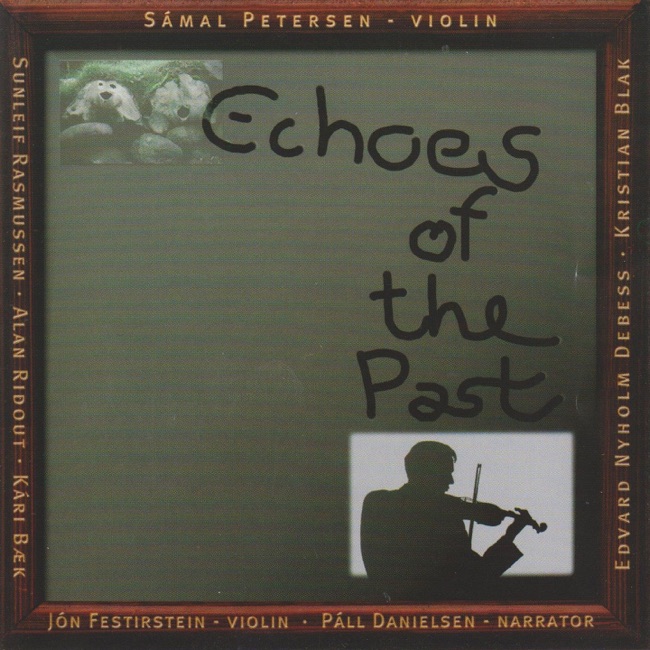 July 13, 2004
Concerto
-
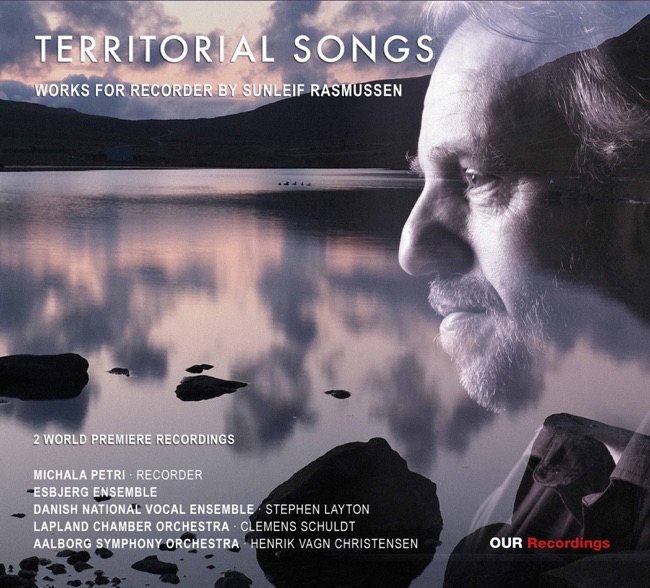
-
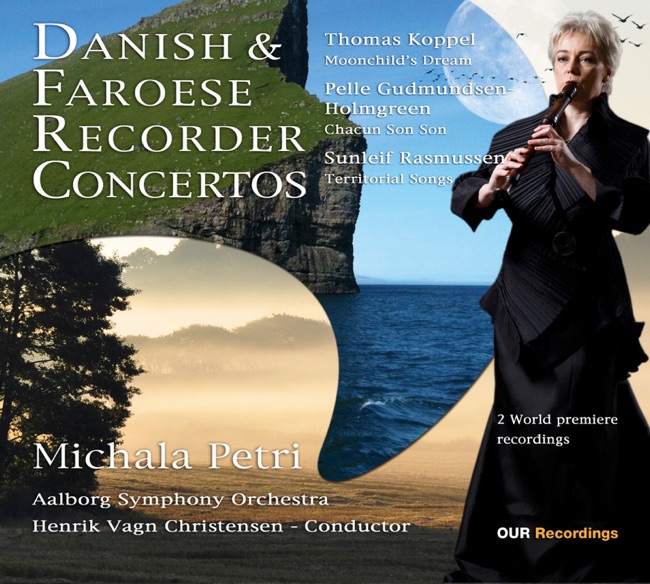 August 14, 2015
 -
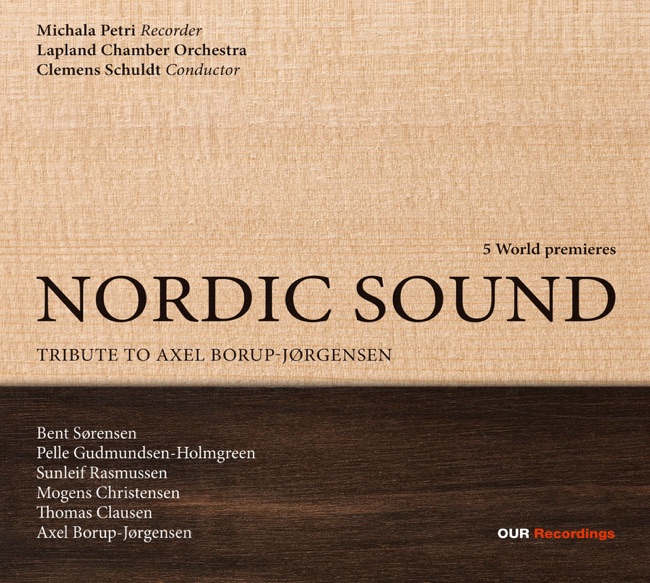 August 14, 2015
 -
Choral
-
 November 15, 2011
 -
 November 14, 2006
 -
 January 2, 2001
Artist Info
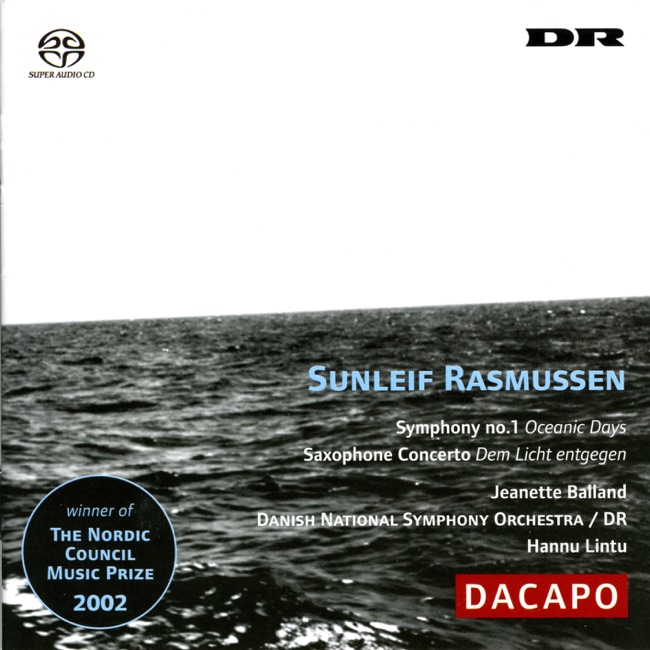
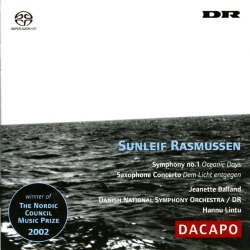
Role:Composer ConductorBirth:1961 in Faroe IslandsPeriod:ContemporaryGenre:ChamberChoralVocalSunleif Rasmussen is a contemporary classical music composer from the Faroe Islands, born on May 19, 1961, in Sandur, a small village on the island of Sandoy. He is widely regarded as one of the most important composers of his generation, and his works have been performed by some of the world's leading orchestras and ensembles. Rasmussen grew up in a musical family, and his father was a well-known composer and conductor in the Faroe Islands. He began playing the piano at a young age and later studied composition at the Royal Danish Academy of Music in Copenhagen, where he was a student of Ib Nørholm and Hans Abrahamsen. Rasmussen's early works were heavily influenced by the music of his native Faroe Islands, which has a rich tradition of folk music. He often incorporated elements of Faroese folk music into his compositions, using traditional instruments such as the fiddle and the Jew's harp. His music also reflects the rugged landscape and seascapes of the Faroe Islands, with its dramatic cliffs, fjords, and stormy seas. One of Rasmussen's early works, "Oceanic Days," was inspired by the sea and the changing moods of the ocean. It was premiered in 1986 by the Danish National Symphony Orchestra and has since been performed by many other orchestras around the world. The piece features a solo cello, which represents the ocean, and the orchestra, which represents the changing weather and the waves. Another notable work from Rasmussen's early career is "Sorrow and Joy Fantasy," which was premiered in 1990 by the Danish National Symphony Orchestra. The piece is based on a Faroese folk song that tells the story of a woman who loses her husband at sea and must raise their children alone. The music reflects the emotions of the woman as she experiences both sorrow and joy in her life. In the 1990s, Rasmussen's music began to incorporate more experimental and avant-garde elements, reflecting his interest in contemporary music. He began to use electronic instruments and computer-generated sounds in his compositions, creating a unique blend of traditional and modern music. One of Rasmussen's most famous works from this period is "Nordic Darkness," which was premiered in 1994 by the Danish National Symphony Orchestra. The piece is a meditation on the long, dark winters of the Nordic countries, and it features a haunting melody played by a solo violin. The music gradually builds in intensity, reflecting the harshness of the winter landscape. In the 2000s, Rasmussen's music continued to evolve, and he began to incorporate more elements of world music into his compositions. He traveled extensively, studying the music of other cultures and incorporating these influences into his own work. One of Rasmussen's most recent works is "Symphony No. 2," which was premiered in 2014 by the Iceland Symphony Orchestra. The piece is a tribute to the natural beauty of Iceland, with its glaciers, volcanoes, and geysers. The music reflects the majesty and power of the Icelandic landscape, with its soaring melodies and dramatic climaxes. Rasmussen's music has been performed by many of the world's leading orchestras and ensembles, including the London Symphony Orchestra, the Berlin Philharmonic, and the New York Philharmonic. He has won numerous awards and honors for his work, including the Nordic Council Music Prize in 2002 and the Faroese Cultural Prize in 2011.More....
Recent Artist Music
3
13:18
7
2:47
8
6:27

13
9:28
Copyright Ⓒ 2013 Davinci Finger. All rights reseved
Service Terms & Policy