


Leifur Þórarinsson
Released Album
Chamber
-
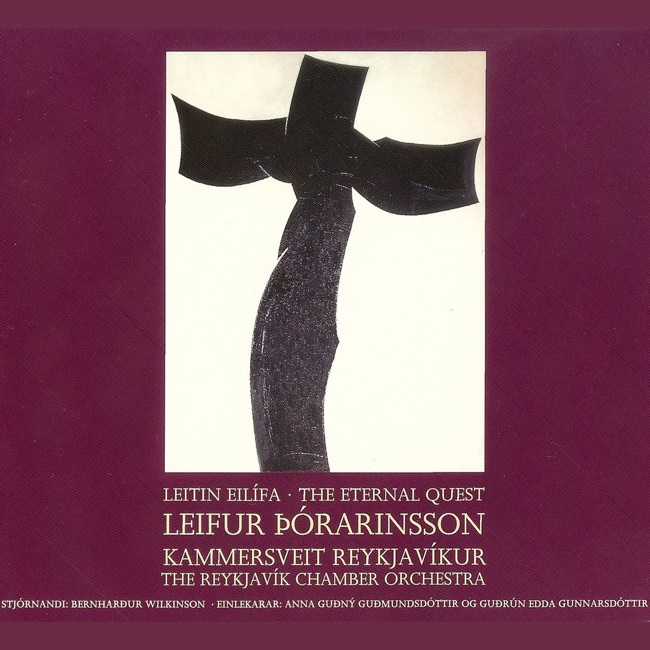 June 28, 2005
 -
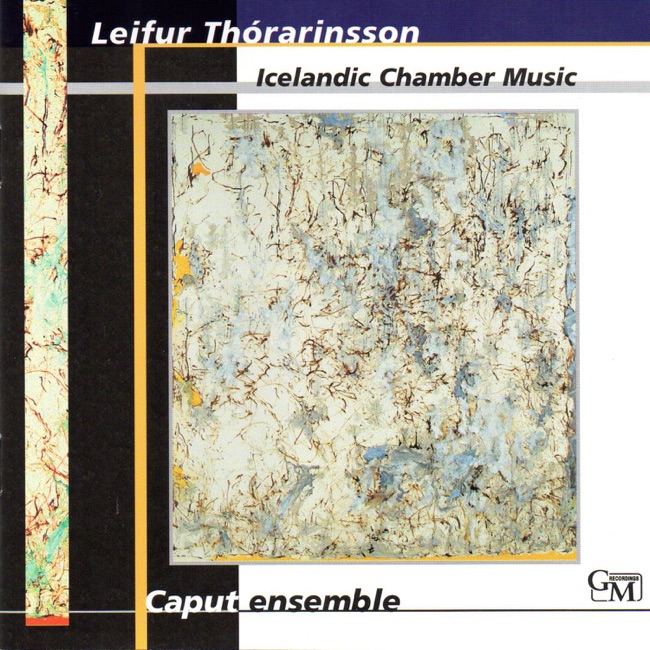 January 1, 1999
 -
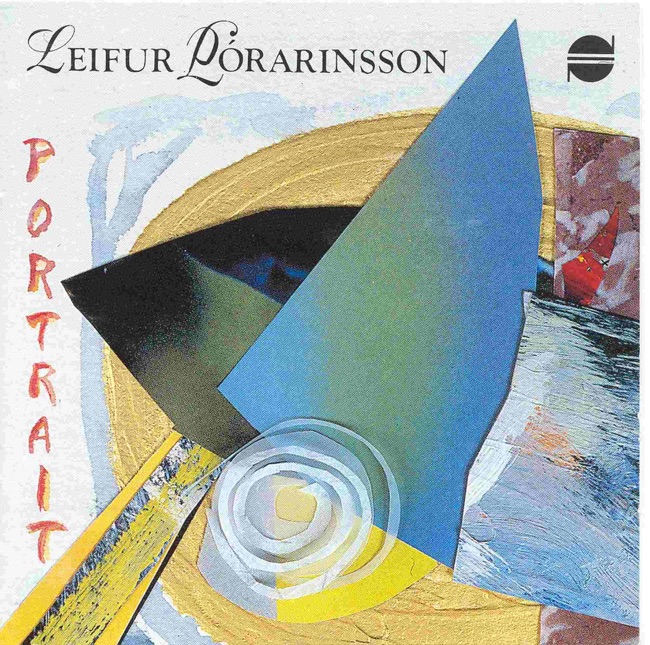 December 12, 1995
 -
 September 26, 1994
Vocal
-
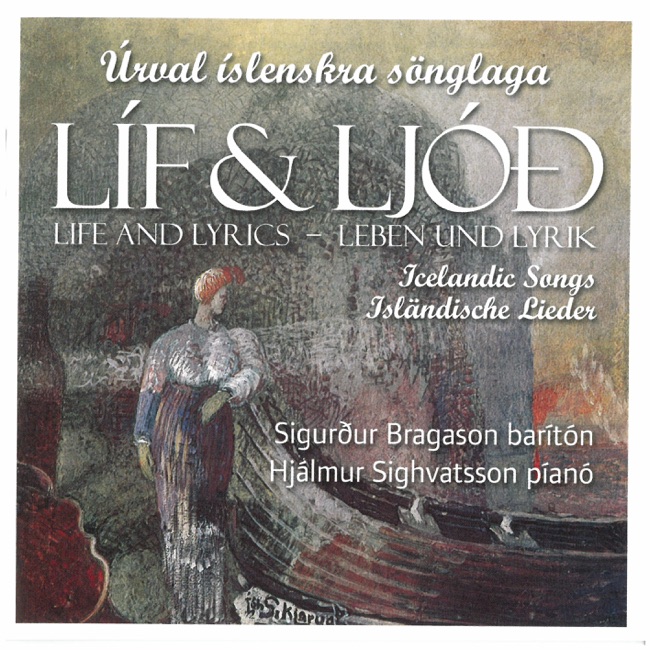 April 13, 2010
Artist Info
Role:ComposerBirth:August 13, 1934Death:April 24, 1998 in Reykjavík, IcelandPeriod:ContemporaryGenre:ChamberOrchestralLeifur Þórarinsson was a prominent Icelandic composer of classical music. He was born on October 22, 1930, in Reykjavik, Iceland. His parents were both musicians, and his father was a composer as well. Leifur grew up in a musical household, and he began playing the piano at a young age. He showed a natural talent for music, and his parents encouraged him to pursue his passion. Leifur studied music at the Reykjavik College of Music, where he learned composition, piano, and conducting. He also studied at the Royal Danish Academy of Music in Copenhagen, where he was mentored by the renowned composer Vagn Holmboe. Leifur was deeply influenced by Holmboe's style, which emphasized clarity, simplicity, and a focus on melody. Leifur's early works were heavily influenced by Icelandic folk music, which he incorporated into his compositions. He also drew inspiration from the natural beauty of Iceland, and many of his works were inspired by the country's landscapes and seascapes. Leifur's music was characterized by its lyricism, its use of traditional forms, and its incorporation of Icelandic folk melodies. One of Leifur's early works was his Piano Sonata No. 1, which he composed in 1952. The sonata was well-received, and it established Leifur as a promising young composer. He went on to compose a number of other works for piano, including his Piano Sonata No. 2, which he composed in 1956. In the 1960s, Leifur began to experiment with new forms and techniques. He was particularly interested in serialism, a technique that involves using a series of musical pitches to create a composition. Leifur's use of serialism was influenced by his studies with Holmboe, who was a proponent of the technique. One of Leifur's most famous works is his Symphony No. 1, which he composed in 1964. The symphony is a complex and challenging work, and it showcases Leifur's mastery of serialism. The symphony was well-received, and it established Leifur as one of Iceland's leading composers. Leifur continued to compose throughout the 1970s and 1980s, and he remained an important figure in Icelandic music. He composed a number of works for orchestra, including his Symphony No. 2, which he composed in 1972. The symphony is a more accessible work than his first symphony, and it features a number of memorable melodies. In addition to his orchestral works, Leifur also composed a number of chamber works, including his String Quartet No. 1, which he composed in 1978. The quartet is a beautiful and lyrical work, and it showcases Leifur's ability to write for small ensembles. Leifur's later works were characterized by a return to his roots. He began to incorporate more Icelandic folk melodies into his compositions, and he also began to experiment with new forms and techniques. One of his most famous works from this period is his Piano Concerto, which he composed in 1990. The concerto is a beautiful and lyrical work, and it features a number of memorable melodies. Leifur continued to compose until his death in 1998. He left behind a rich legacy of music, and he remains an important figure in Icelandic music. His works are characterized by their lyricism, their use of traditional forms, and their incorporation of Icelandic folk melodies. Leifur's music is a testament to the beauty and power of classical music, and it continues to inspire and delight audiences around the world.More....

Copyright Ⓒ 2013 Davinci Finger. All rights reseved
Service Terms & Policy