


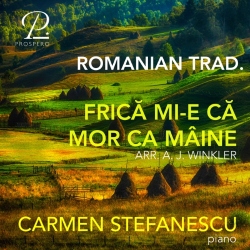
Romanian Traditional
Released Album
Vocal
-
 June 7, 2024
 -
 January 5, 2011
 -
 May 6, 2008
Chamber
Artist Info
Role:ComposerGenre:VocalRomanian Traditional music is a genre of classical music that has its roots in the traditional music of Romania. It is a genre that has been shaped by the country's rich cultural heritage, which includes influences from the Balkans, the Ottoman Empire, and the Roma people. The birth of Romanian Traditional music can be traced back to the 19th century, when a group of Romanian composers began to incorporate elements of traditional Romanian music into their compositions. These composers were inspired by the folk music of their country, which they saw as a rich source of inspiration for their work. One of the most important figures in the development of Romanian Traditional music was George Enescu. Enescu was born in 1881 in the town of Liveni, in the region of Moldavia. He showed an early talent for music, and began studying the violin at the age of four. By the age of seven, he was already performing in public, and by the age of ten, he had given his first concert as a soloist. Enescu's talent was recognized early on, and he was sent to study in Vienna and Paris. In Paris, he studied with some of the most important composers of the time, including Gabriel Fauré and Jules Massenet. He also became friends with the composer Maurice Ravel, who was a great admirer of his work. Enescu's music was deeply influenced by the traditional music of Romania. He incorporated elements of Romanian folk music into his compositions, and his work often featured the use of traditional Romanian instruments, such as the cimbalom and the pan flute. One of Enescu's most famous works is his Romanian Rhapsody No. 1, which was composed in 1901. The piece is a lively and colorful tribute to the music of Romania, and it has become one of the most popular works in the Romanian classical music repertoire. Another important figure in the development of Romanian Traditional music was Dinu Lipatti. Lipatti was born in 1917 in Bucharest, and he showed an early talent for music. He began studying the piano at the age of four, and by the age of ten, he had given his first public concert. Lipatti's talent was recognized early on, and he was sent to study in Paris. There, he studied with some of the most important pianists of the time, including Alfred Cortot and Nadia Boulanger. He also became friends with the composer Francis Poulenc, who was a great admirer of his work. Lipatti's music was deeply influenced by the traditional music of Romania. He incorporated elements of Romanian folk music into his compositions, and his work often featured the use of traditional Romanian instruments, such as the cimbalom and the pan flute. One of Lipatti's most famous works is his Concertino in Classical Style, which was composed in 1936. The piece is a lively and colorful tribute to the music of Romania, and it has become one of the most popular works in the Romanian classical music repertoire. In addition to Enescu and Lipatti, there were many other composers who contributed to the development of Romanian Traditional music. These composers included Tiberiu Brediceanu, who was known for his use of traditional Romanian melodies in his compositions, and Paul Constantinescu, who was known for his use of traditional Romanian rhythms. Today, Romanian Traditional music continues to be an important part of the country's cultural heritage. It is performed by orchestras and ensembles throughout Romania, and it is enjoyed by audiences around the world.More....
Recent Artist Music
1
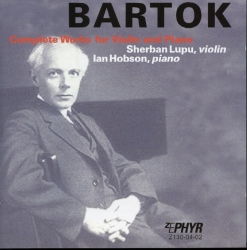
Folk dancing
Ardeleana (Transylvanian Dance); Joc (Dance); Jocul ursului (Bear Dance); A turcii (Goat Dance); Ba
2:


9
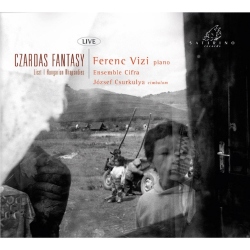
Only from the village of Magyarpéterkaju in Transylvania
Cimbalom solo from the village of Magyarpéterkaju in Transylvania
5:19
13

2:11

Copyright Ⓒ 2013 Davinci Finger. All rights reseved
Service Terms & Policy