


Lewis Wright
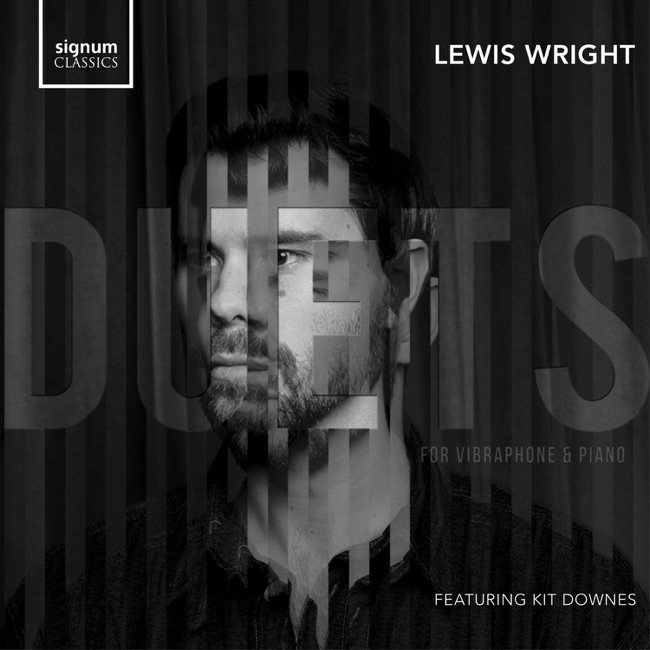
Artist Info
Role:ComposerLewis Wright was a British composer and pianist who lived from 1882 to 1953. He was born in London to a family of musicians, and his father was a well-known conductor and composer. Wright showed an early aptitude for music and began studying the piano at a young age. He went on to study at the Royal Academy of Music in London, where he was a student of Tobias Matthay, a renowned piano teacher. Wright's early compositions were heavily influenced by the Romantic style of the late 19th century, and he was particularly drawn to the music of Chopin and Liszt. His first major work, a piano concerto, was premiered in 1904 when he was just 22 years old. The concerto was well-received and helped establish Wright as a promising young composer. Over the next few years, Wright continued to compose and perform, and he began to develop his own unique style. He was particularly interested in the use of harmony and counterpoint, and his music often featured complex textures and intricate rhythms. He also drew inspiration from a wide range of sources, including folk music, jazz, and the music of other cultures. One of Wright's most significant works was his Symphony No. 1, which was premiered in 1912. The symphony was a departure from his earlier works in that it was more modern in style and featured a greater use of dissonance and unconventional harmonies. The piece was well-received by critics and helped establish Wright as a leading figure in the British classical music scene. During World War I, Wright served in the British Army and was stationed in France. While there, he continued to compose and even gave performances for his fellow soldiers. After the war, he returned to London and resumed his career as a composer and pianist. In the 1920s and 1930s, Wright continued to compose and perform, and he also became involved in music education. He taught at the Royal Academy of Music and was a frequent guest lecturer at other institutions. He also wrote several books on music theory and composition, which were widely read and respected. One of Wright's most famous works is his Piano Concerto No. 2, which was premiered in 1937. The concerto is notable for its use of jazz-inspired rhythms and harmonies, and it remains a popular piece in the classical repertoire. Wright also wrote several other concertos, including works for violin, cello, and clarinet. In addition to his concert works, Wright also composed music for film and television. He wrote the score for several British films in the 1940s and 1950s, including "The Red Shoes" and "The Tales of Hoffmann." He also wrote music for several BBC radio and television programs. Wright's music was highly regarded during his lifetime, and he received numerous honors and awards. He was made a Commander of the Order of the British Empire in 1946, and he was awarded the Gold Medal of the Royal Philharmonic Society in 1952. He died the following year at the age of 71. Today, Wright is remembered as one of the most important British composers of the 20th century. His music is characterized by its complexity and originality, and it continues to be performed and recorded by musicians around the world. His legacy as a composer and educator also lives on through the many students he taught and the books he wrote on music theory and composition.More....
Recent Artist Music

Copyright Ⓒ 2013 Davinci Finger. All rights reseved
Service Terms & Policy