


Ernesto Fusté
Released Album
Vocal
-
 March 11, 2008
 -
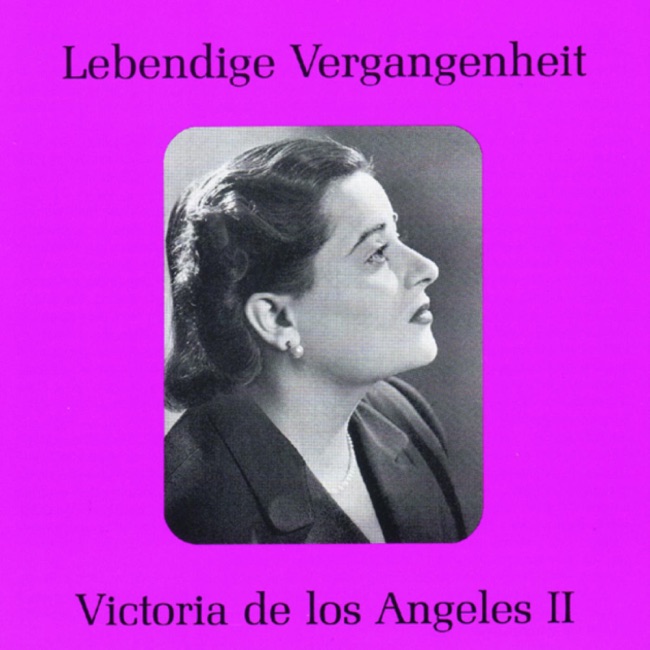 October 25, 2005
Artist Info
Role:ComposerBirth:1884Death:1972Genre:VocalErnesto Fusté was a Spanish composer and pianist who lived from 1889 to 1962. He was born in Barcelona, Spain, and showed an early interest in music. His parents recognized his talent and encouraged him to pursue his passion for music. Fusté began his musical education at the age of six, studying piano with his mother, who was a pianist herself. He later studied at the Barcelona Conservatory, where he received a solid foundation in music theory and composition. Fusté's early compositions were influenced by the Romantic style of music, which was popular in the late 19th and early 20th centuries. He was particularly drawn to the music of Chopin, Liszt, and Brahms, and their influence can be heard in his early works. Fusté's first major composition was a piano concerto, which he wrote when he was just 18 years old. The concerto was well-received and helped establish Fusté as a promising young composer. In 1911, Fusté moved to Paris to study with the renowned composer and teacher Nadia Boulanger. Boulanger was known for her rigorous teaching methods and her ability to bring out the best in her students. Fusté thrived under her tutelage and developed a more modern and sophisticated style of composition. He also became friends with other composers and musicians in Paris, including Maurice Ravel and Igor Stravinsky. Fusté's most famous work is his Piano Sonata No. 1, which he composed in 1921. The sonata is a complex and challenging piece that showcases Fusté's technical skill and his ability to create intricate and nuanced musical textures. The sonata is divided into three movements, each of which explores different moods and emotions. The first movement is dark and brooding, while the second movement is more lyrical and introspective. The final movement is fast and energetic, with virtuosic piano passages that demonstrate Fusté's mastery of the instrument. Fusté's other notable works include his String Quartet No. 1, which he composed in 1925. The quartet is a beautiful and expressive piece that showcases Fusté's skill at writing for multiple instruments. The quartet is divided into four movements, each of which explores different musical themes and ideas. The first movement is lively and energetic, while the second movement is more contemplative and introspective. The third movement is a scherzo, with a playful and whimsical character, while the final movement is a fast and exciting finale. Fusté also wrote several works for orchestra, including his Symphony No. 1, which he composed in 1930. The symphony is a grand and ambitious work that showcases Fusté's skill at writing for large ensembles. The symphony is divided into four movements, each of which explores different musical themes and ideas. The first movement is grand and majestic, while the second movement is more introspective and contemplative. The third movement is a scherzo, with a playful and whimsical character, while the final movement is a fast and exciting finale. Fusté's music was well-received during his lifetime, and he was recognized as one of the leading composers of his generation. His music was performed by some of the most prestigious orchestras and ensembles in Europe, and he was awarded several prizes and honors for his contributions to music. Despite his success, Fusté remained humble and dedicated to his craft, always striving to improve and refine his compositions. In addition to his work as a composer, Fusté was also a respected pianist and teacher.More....
Recent Artist Music
Copyright Ⓒ 2013 Davinci Finger. All rights reseved
Service Terms & Policy