


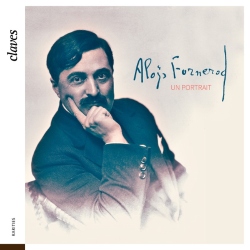
Aloys Fornerod
Released Album
Orchestral
-
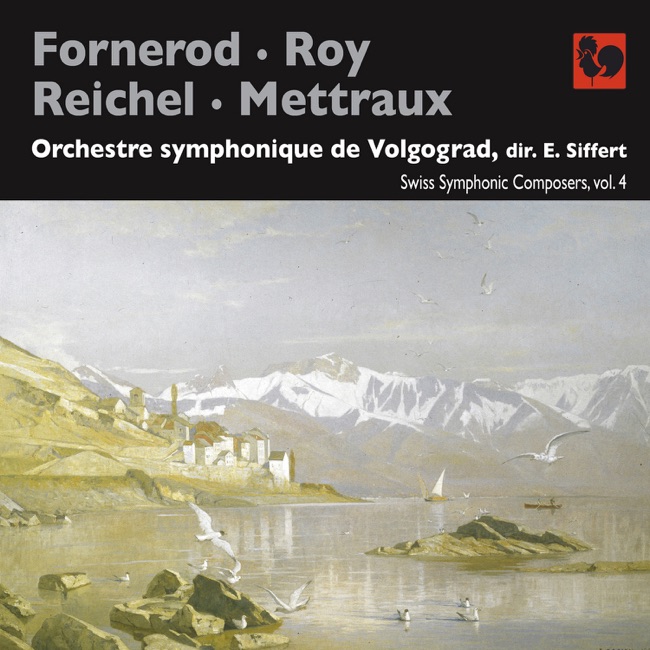 February 9, 2016
 -
Keyboard
-
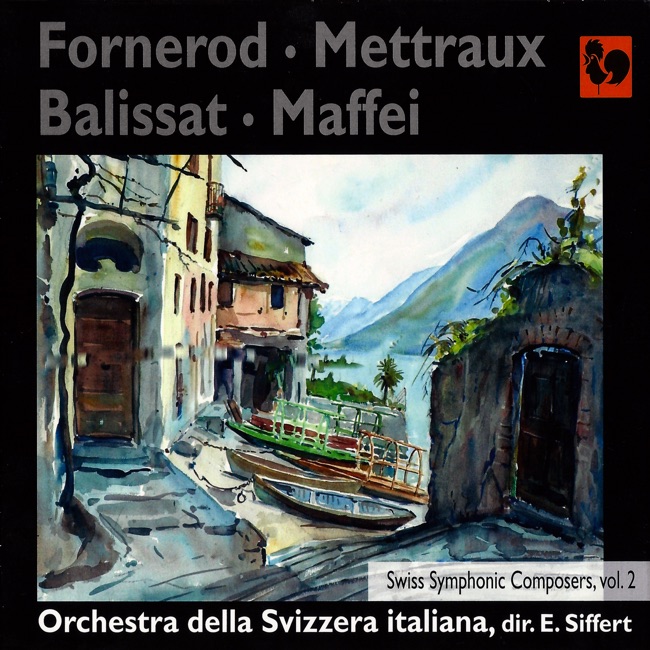
 February 9, 2016
Chamber
-
 March 17, 2017
Artist Info
Role:ComposerCountry: SwitzerlandBirth:January 6, 1890 in CudrefinDeath:January 8, 1965 in Fribourg, SwitzerlandPeriod:ModernAloys Fornerod was a Swiss composer born on August 27, 1890, in Lausanne, Switzerland. He was the son of a music teacher and grew up in a musical family. His father, Charles Fornerod, was a well-known music teacher in Lausanne, and his mother, Marie-Louise, was a pianist. Aloys Fornerod showed an early interest in music and began studying the piano and violin at a young age. Fornerod's musical education began at the Lausanne Conservatory, where he studied piano, violin, and composition. He later continued his studies in Paris with the renowned composer and teacher Vincent d'Indy. Fornerod's time in Paris was a formative period in his musical development, and he was exposed to the latest trends in French music. Fornerod's early compositions were influenced by the French impressionist style, and he was particularly drawn to the music of Claude Debussy. However, he also had a deep appreciation for the music of J.S. Bach and other Baroque composers. This eclectic mix of influences can be heard in his compositions, which often combine elements of different styles and periods. One of Fornerod's most significant works is his Symphony No. 1, which he composed in 1921. The symphony is a large-scale work that showcases Fornerod's skill as a composer. It is a complex and ambitious piece that features intricate counterpoint and rich harmonies. The symphony was well-received by audiences and critics alike and helped establish Fornerod as a major figure in Swiss music. Fornerod's other notable works include his Piano Concerto, which he composed in 1926. The concerto is a virtuosic work that showcases Fornerod's skill as a pianist as well as a composer. It is a challenging piece that requires a high level of technical proficiency from the soloist. Fornerod also composed a number of chamber works, including his String Quartet No. 1, which he wrote in 1923. The quartet is a lyrical and expressive work that showcases Fornerod's skill as a composer of chamber music. It is a beautiful piece that is still performed today. In addition to his work as a composer, Fornerod was also a respected music educator. He taught at the Lausanne Conservatory for many years and was known for his dedication to his students. Many of his students went on to have successful careers in music, and Fornerod's influence can still be felt in the Swiss music scene today. Fornerod's music is characterized by its lyricism, rich harmonies, and intricate counterpoint. He was a master of orchestration and knew how to use the different instruments of the orchestra to create a wide range of colors and textures. His music is often compared to that of Debussy and Ravel, but Fornerod's unique voice is unmistakable. Despite his many accomplishments, Fornerod's music is not as well-known as it should be. He was overshadowed by other Swiss composers such as Arthur Honegger and Frank Martin, who were more successful in promoting their music internationally. However, Fornerod's music is still performed today and is appreciated by those who know it. Aloys Fornerod died on December 4, 1965, in Lausanne, Switzerland. He left behind a legacy of beautiful music and a generation of students who were inspired by his dedication to music education. Fornerod's music may not be as well-known as that of some of his contemporaries, but it is a testament to his skill as a composer that his music still resonates with audiences today.More....
Recent Artist Music
1
5:17

3
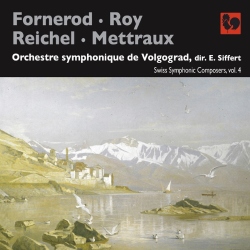
Chained Prometheus, Op. 34
Prométhée enchaîné. Pièce symphonique pour grand orchestre, 1948, Op. 34
11:26
Copyright Ⓒ 2013 Davinci Finger. All rights reseved
Service Terms & Policy