


Karol Rathaus
Released Album
Chamber
-
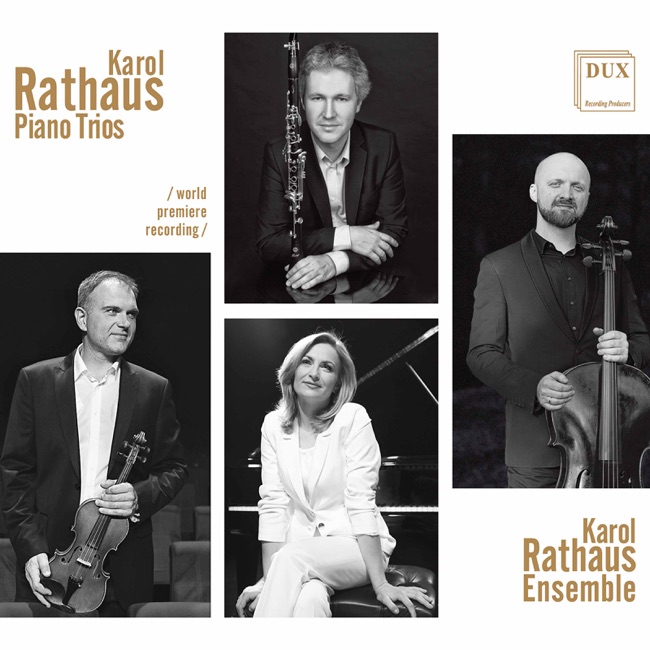 May 21, 2021
 -
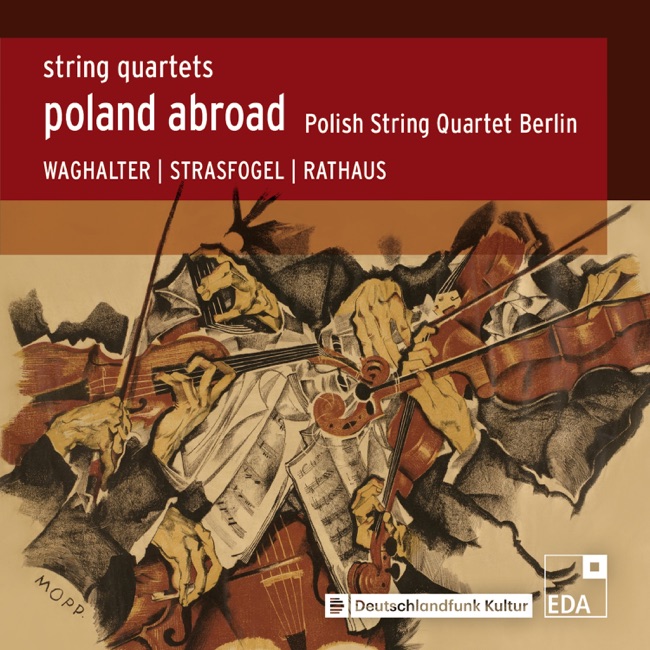
-
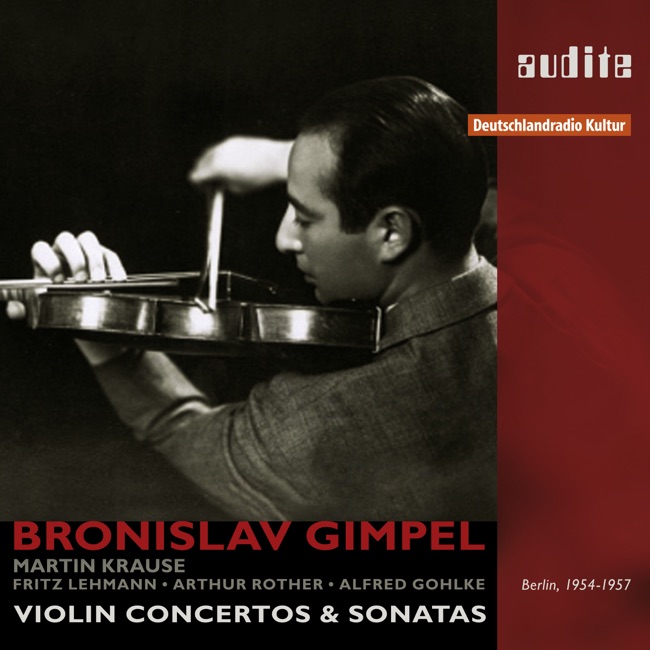 September 24, 2012
 -
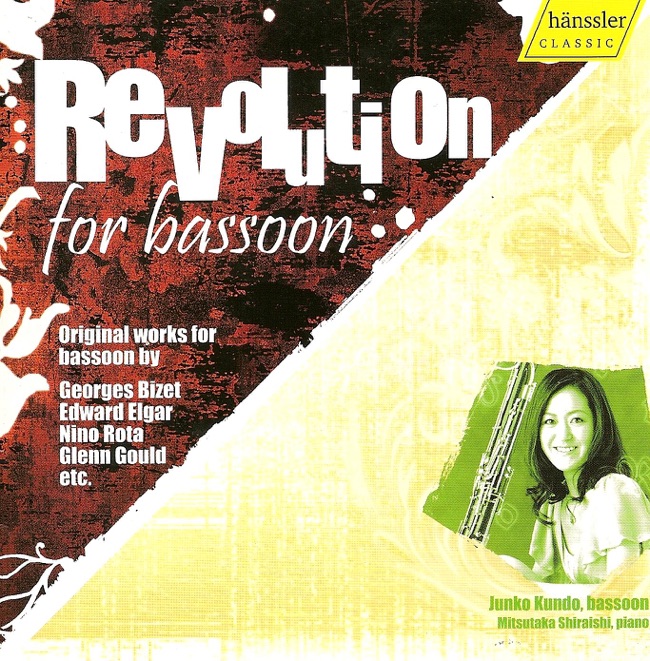 September 3, 2007
Keyboard
-
 November 6, 2020
 -
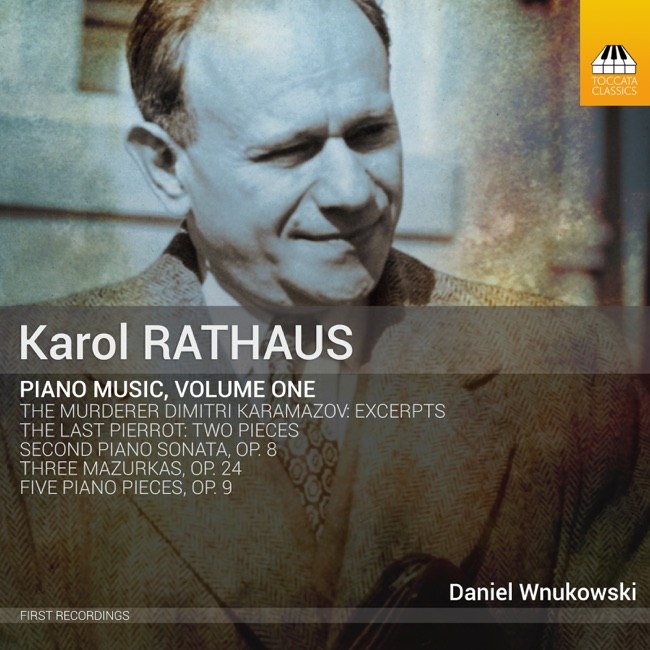 March 15, 2019
 -
 October 31, 2011
 -
 October 1, 2002
Orchestral
-
 July 28, 2023
 -
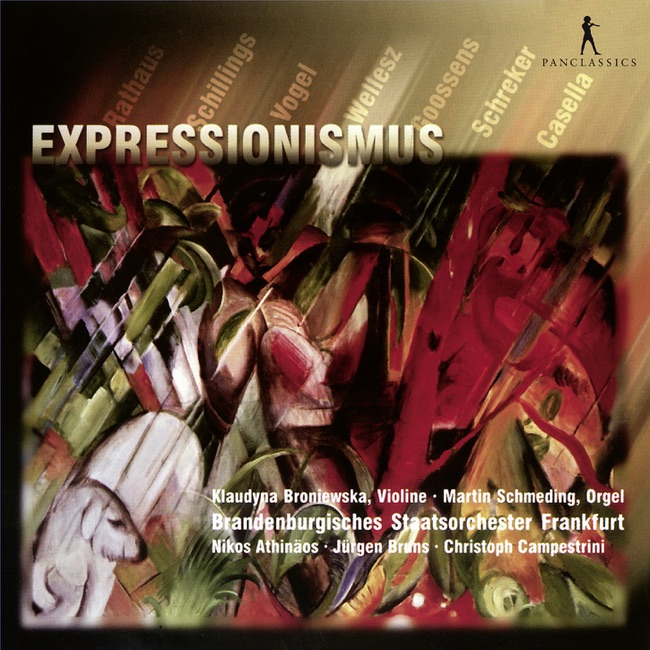 April 16, 2002
 -
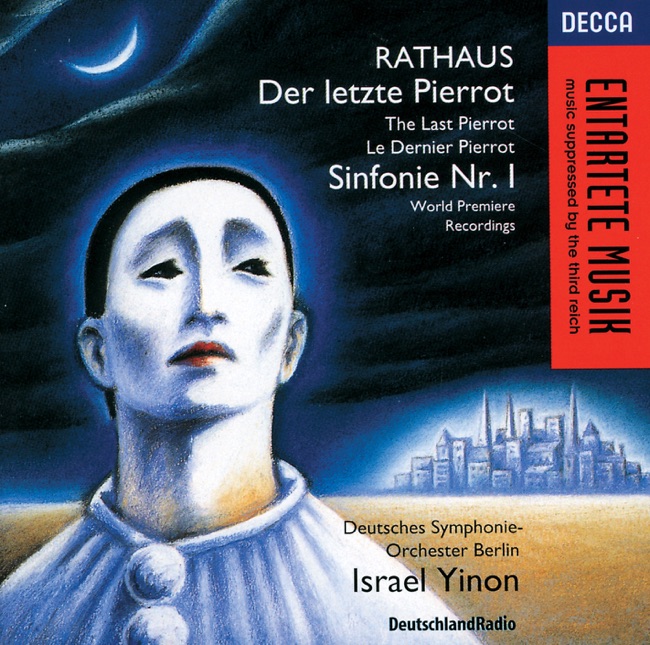 July, 1998
Concerto
-
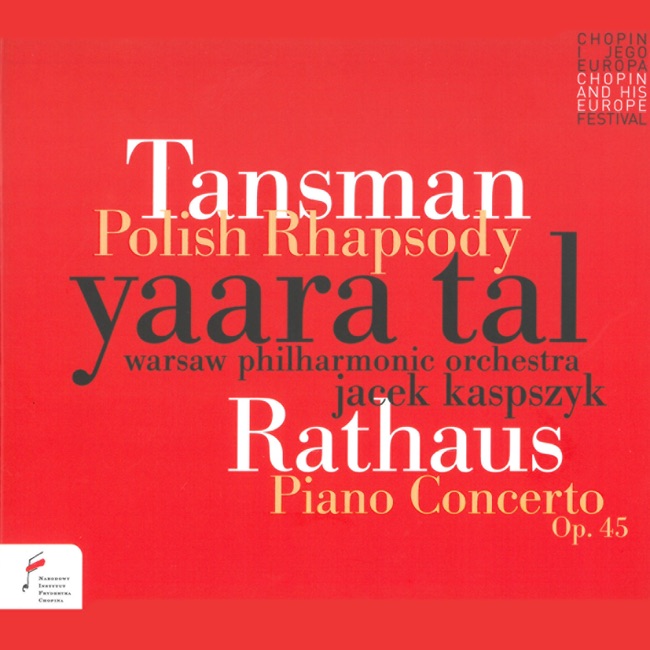 February 26, 2019
Artist Info
Role:ComposerBirth:September 16, 1895 in Tarnopol, GaliciaDeath:November 21, 1954Period:ModernGenre:ConcertoOrchestralKarol Rathaus was a Polish-American composer who was born on September 16, 1895, in Tarnopol, Galicia, which is now part of Ukraine. He was born into a Jewish family and was the youngest of six children. His father was a successful businessman, and his mother was a talented pianist who gave him his first music lessons. Rathaus showed an early interest in music and began composing at the age of 12. He studied piano and composition at the Lemberg Conservatory, where he was a student of Carl Wendling. In 1914, he moved to Vienna to study with Arnold Schoenberg, who was one of the most influential composers of the 20th century. Rathaus was deeply influenced by Schoenberg's atonal music and became one of his most devoted disciples. During World War I, Rathaus served in the Austro-Hungarian army and was wounded in battle. After the war, he returned to Vienna and resumed his studies with Schoenberg. In 1922, he completed his first major work, a piano concerto that was premiered in Vienna to critical acclaim. In 1925, Rathaus moved to Berlin, where he became a prominent figure in the city's musical scene. He composed music for films and theater productions and collaborated with some of the leading artists of the time, including Bertolt Brecht and Kurt Weill. He also taught composition at the Stern Conservatory and the Berlin Academy of Music. In 1932, Rathaus emigrated to the United States to escape the rise of Nazism in Germany. He settled in New York City and became a naturalized citizen in 1939. He continued to compose music and taught at Queens College and the New School for Social Research. Rathaus's music is characterized by its emotional intensity, complex harmonies, and rhythmic vitality. He was a master of orchestration and wrote music for a wide range of ensembles, including symphonies, concertos, chamber music, and vocal works. His music is often compared to that of his mentor, Arnold Schoenberg, but Rathaus's style is more accessible and less abstract. Some of Rathaus's most notable works include his Symphony No. 1, which was premiered in Berlin in 1927 and is considered one of his finest compositions. The symphony is a powerful and dramatic work that showcases Rathaus's skill as an orchestrator and his ability to create complex musical structures. Another important work is his Piano Concerto No. 1, which was premiered in Vienna in 1922. The concerto is a virtuosic showcase for the soloist and features Rathaus's signature blend of emotional intensity and technical brilliance. Rathaus also wrote music for films, including the score for the 1937 film "The Road Back," which was directed by James Whale and based on the novel by Erich Maria Remarque. The score is a haunting and atmospheric work that captures the mood of the film's World War I setting. In addition to his work as a composer, Rathaus was also a respected musicologist and wrote extensively on the music of his time. He was a passionate advocate for modern music and believed that composers had a responsibility to engage with the social and political issues of their time. Karol Rathaus died on November 21, 1954, in New York City at the age of 59. His legacy as a composer and educator continues to be celebrated by musicians and music lovers around the world.More....
Recent Artist Music

3
3:57
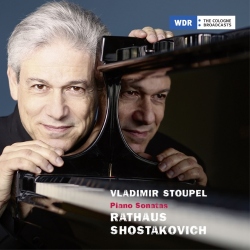
12
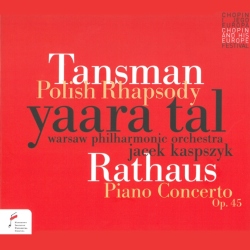
10:42

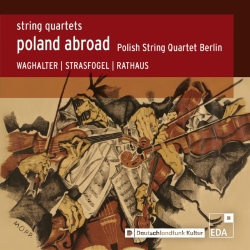
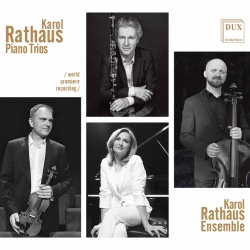
Copyright Ⓒ 2013 Davinci Finger. All rights reseved
Service Terms & Policy