


Miriam Gideon
Released Album
Vocal
-
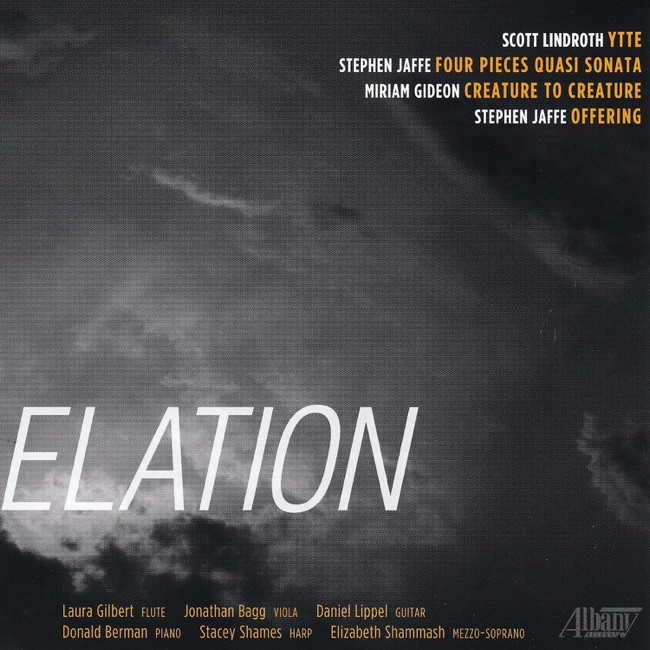 April 8, 2014
 -
 September 1, 1993
Keyboard
-
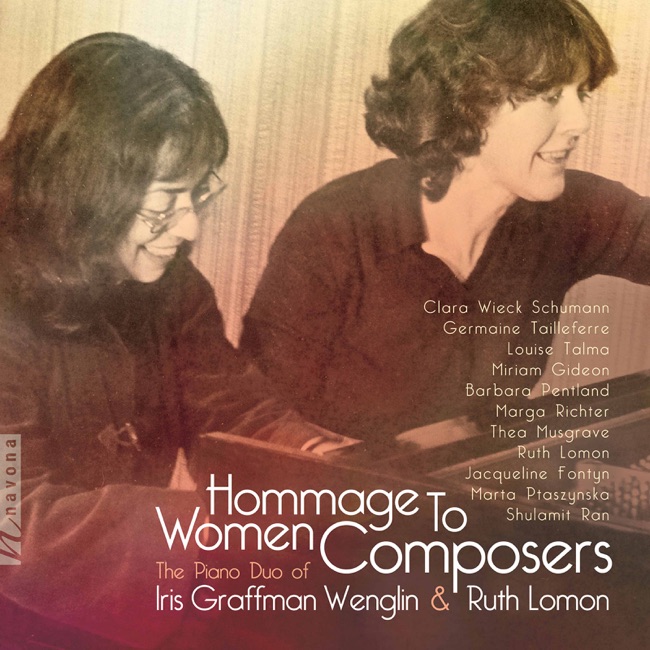 October 25, 2019
 -
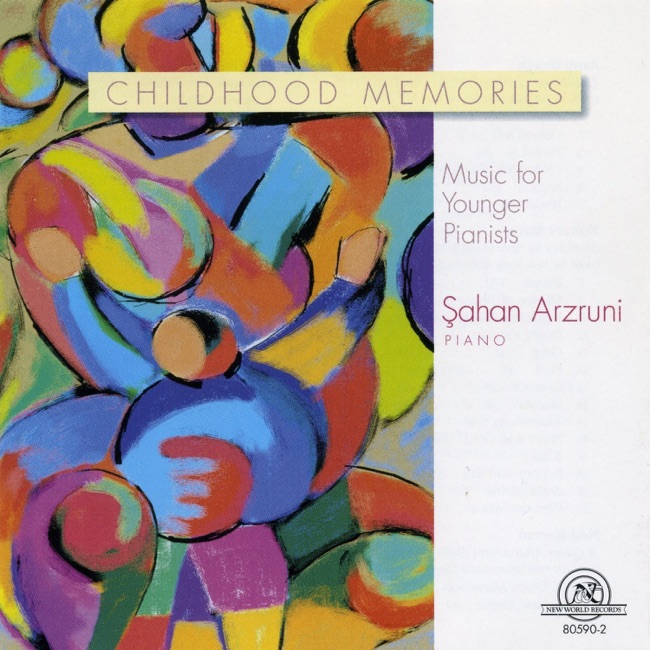 September 24, 2002
 -
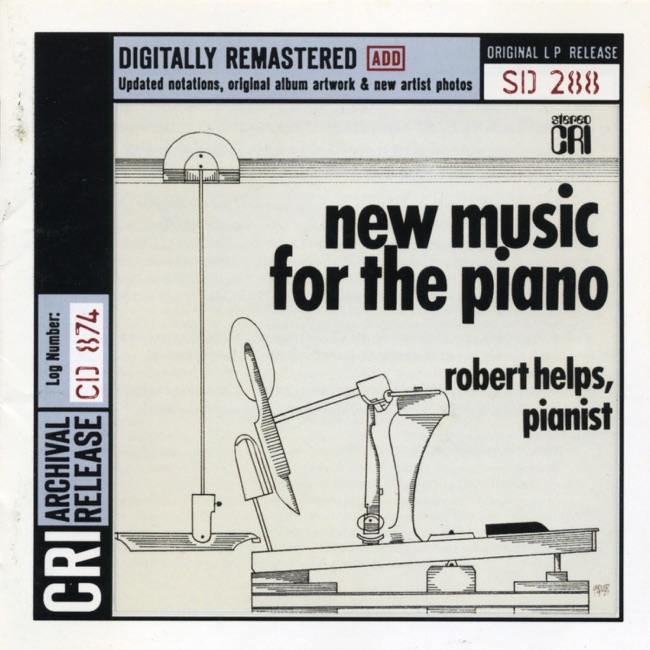 May 29, 2001
Choral
-
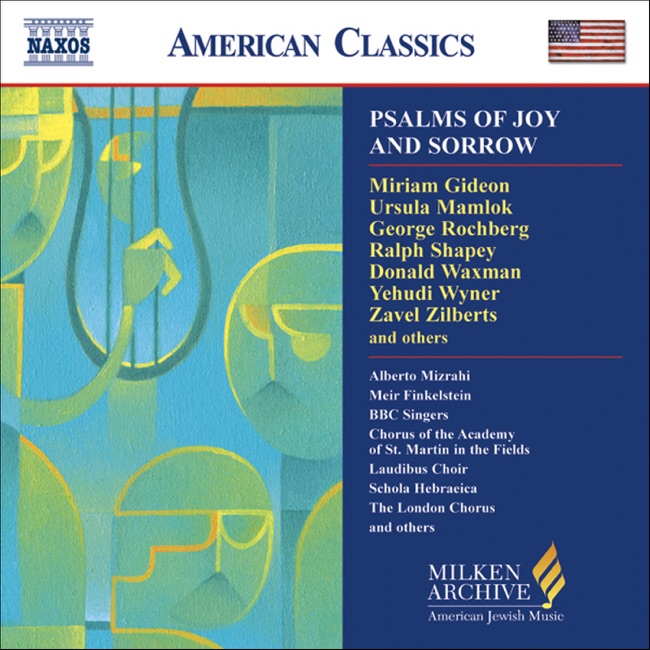 October 31, 2006
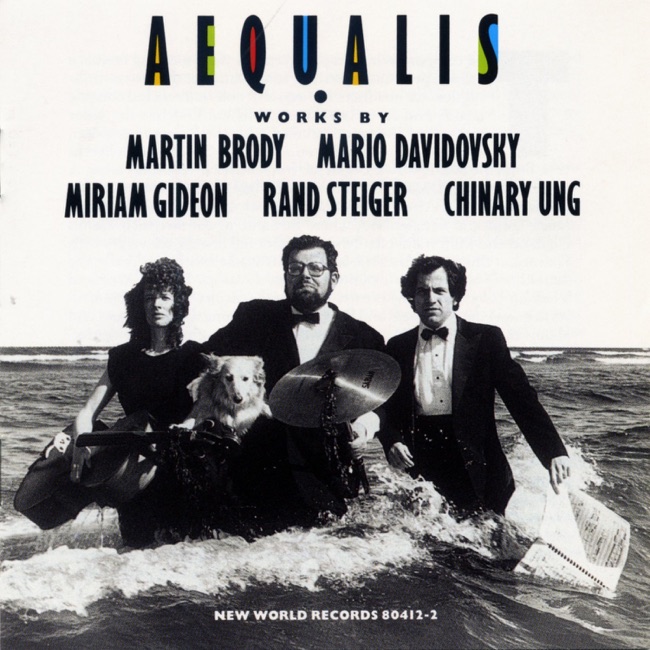
Artist Info
Role:ComposerBirth:October 23, 1906 in Greeley, CODeath:June 18, 1996Period:ModernGenre:ChamberVocalMiriam Gideon was an American composer of classical music who was born on October 23, 1906, in Greeley, Colorado. She was the youngest of four children born to Russian-Jewish immigrants, and her family moved to New York City when she was a child. Gideon showed an early interest in music and began studying piano at the age of six. She later studied composition with Roger Sessions and Aaron Copland at the New School for Social Research in New York City. Gideon's early works were influenced by the neoclassical style of Stravinsky and the Second Viennese School, but she later developed her own unique style that incorporated elements of Jewish and Middle Eastern music. Her music often featured complex rhythms and unconventional harmonies, and she was known for her use of unusual instruments such as the harp, marimba, and vibraphone. Gideon's first major work was a ballet called "The Masque of the Wild Man," which was premiered by the Martha Graham Dance Company in 1940. The ballet was based on a Native American legend and featured a score that incorporated elements of Native American music. The work was well-received and helped establish Gideon as a composer to watch. Throughout the 1940s and 1950s, Gideon continued to compose music for dance companies, including the José Limón Dance Company and the Anna Sokolow Dance Company. She also wrote chamber music and vocal works, including a song cycle based on the poetry of Emily Dickinson. In the 1960s, Gideon began to incorporate electronic music into her compositions. She was one of the first composers to use the Buchla synthesizer, an early electronic instrument that was developed in California. Gideon's electronic works were often experimental and avant-garde, and she was known for her use of tape loops and other electronic effects. One of Gideon's most famous works is "String Quartet No. 2," which was premiered by the Juilliard String Quartet in 1963. The work is notable for its use of unconventional techniques, such as playing the strings with mutes and using the instruments as percussion. The quartet was well-received and helped establish Gideon as one of the leading composers of her generation. Gideon continued to compose music throughout the 1970s and 1980s, despite suffering from arthritis and other health problems. She was a professor of music at Brooklyn College from 1966 until her retirement in 1977, and she was a mentor to many young composers. Gideon died on June 18, 1996, at the age of 89. She left behind a legacy of innovative and groundbreaking music that continues to inspire composers today. Her works have been performed by some of the world's leading orchestras and chamber ensembles, and she is remembered as one of the most important American composers of the 20th century.More....


Copyright Ⓒ 2013 Davinci Finger. All rights reseved
Service Terms & Policy