


Gregor Joseph Werner
Released Album
Concerto
-
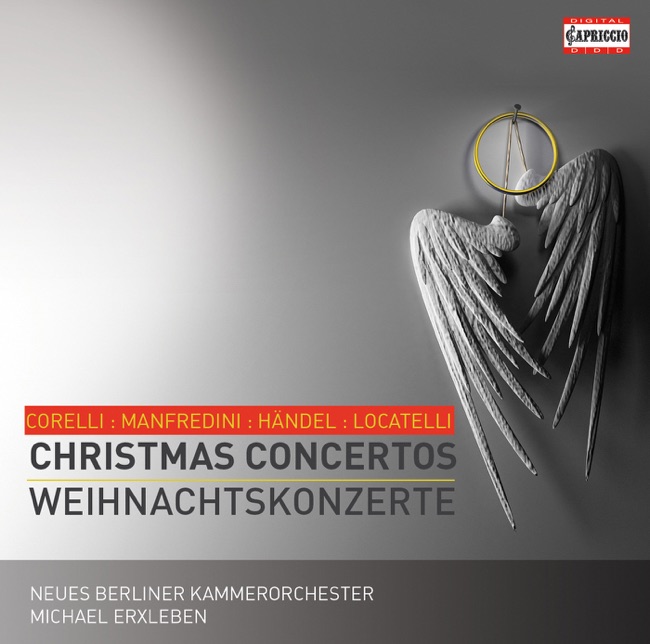 October 25, 2011
 -
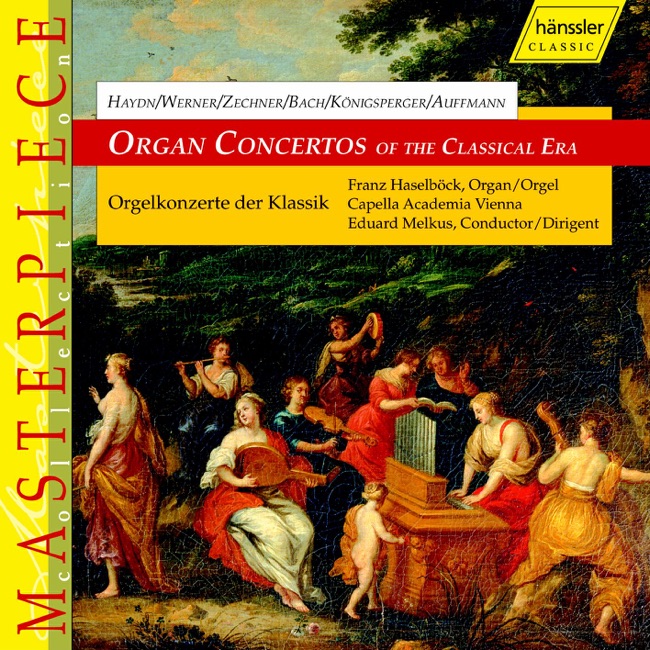 August 1, 2004
 -
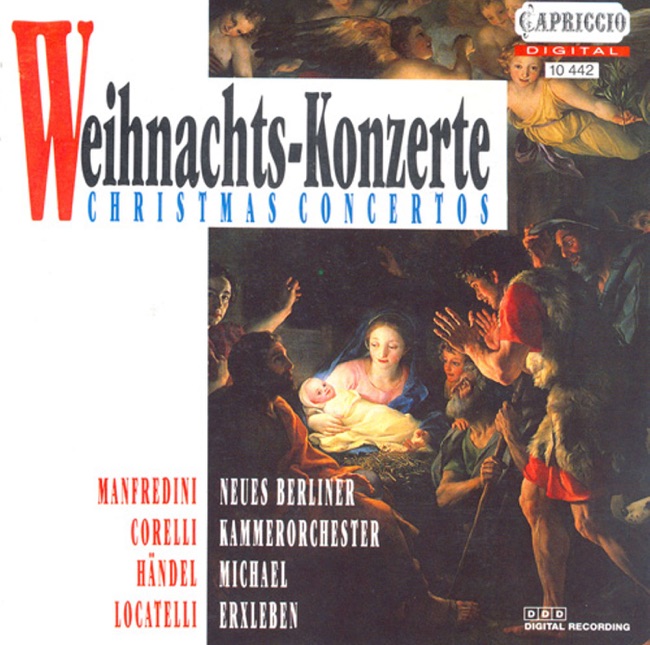 January 1, 1992
 -
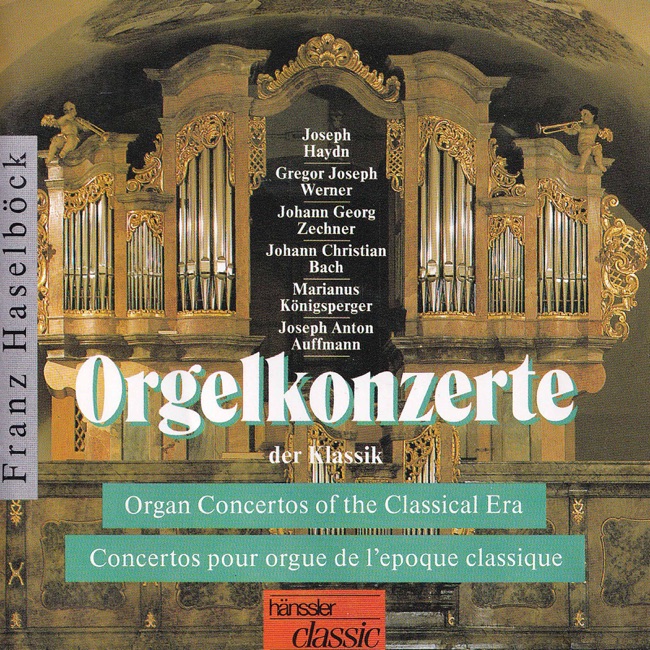
Orchestral
-
 February 24, 2015
 -
 November 26, 2002
 -
 November 26, 2002
 -
 September 22, 1995
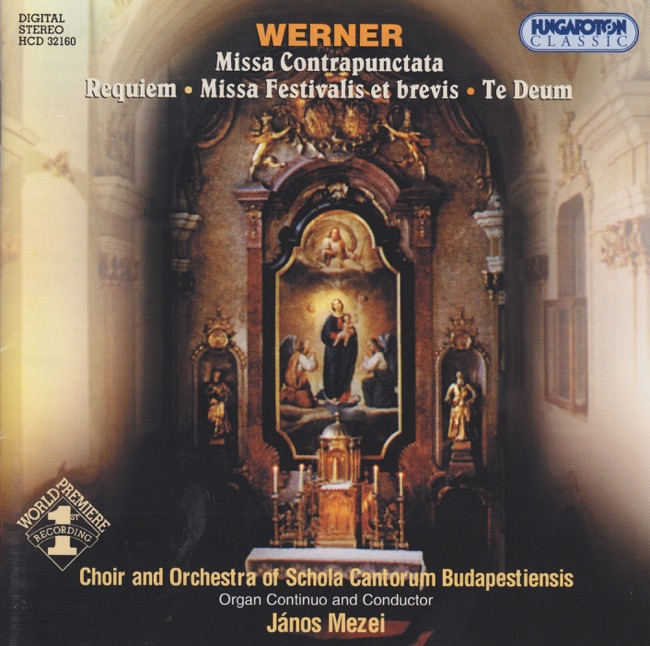
Artist Info
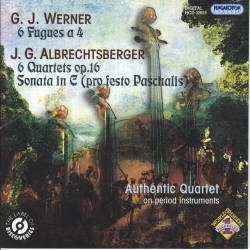
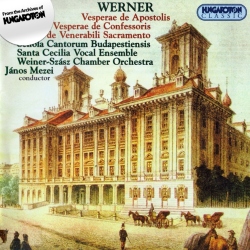
Role:ComposerCountry: AustriaBirth:January 28, 1693Death:March 3, 1766Period:BaroqueGenre:ChoralConcertoOrchestralGregor Joseph Werner was a prominent composer of the Baroque era, born on November 17, 1693, in the town of Neunburg vorm Wald, in the Upper Palatinate region of Bavaria, Germany. He was the son of a schoolmaster and organist, and his father was his first music teacher. Werner showed an early aptitude for music, and by the age of 12, he was already playing the organ in his father's church. Werner's musical education continued in Regensburg, where he studied with the renowned composer Johann Kaspar Kerll. He also studied with Johann Pachelbel in Nuremberg, where he learned the art of composition. Werner's talent as a composer was recognized early on, and he was appointed court composer to the Prince-Bishop of Regensburg, Johann Philipp von Lamberg, at the age of 22. Werner's early works were primarily vocal compositions, including sacred music for the church, as well as secular songs and cantatas. His first published work was a collection of sacred songs, entitled "Harmonia Sacra," which was published in 1718. This collection was well-received, and it helped establish Werner's reputation as a composer. In 1720, Werner was appointed court composer to the Archbishop of Salzburg, Franz Anton von Harrach. This was a significant appointment, as Salzburg was a major center of music at the time, and the Archbishop was a patron of the arts. Werner's time in Salzburg was productive, and he composed a number of works for the court, including operas, oratorios, and instrumental music. One of Werner's most famous works is his oratorio, "Der verlorene Sohn" (The Prodigal Son), which was first performed in Salzburg in 1726. This work is based on the biblical story of the prodigal son, and it features arias, recitatives, and choruses. The music is characterized by its expressive melodies and rich harmonies, and it is considered one of Werner's masterpieces. Werner's operas were also well-received, and he composed a number of them during his time in Salzburg. One of his most successful operas was "La clemenza di Tito," which was first performed in 1734. This opera is based on the story of the Roman emperor Titus, and it features arias, duets, and choruses. The music is characterized by its dramatic intensity and emotional depth, and it is considered one of Werner's finest works. In addition to his vocal compositions, Werner also composed a significant amount of instrumental music. He was particularly skilled at writing for the organ, and he composed a number of works for the instrument, including preludes, fugues, and toccatas. His organ music is characterized by its virtuosity and its use of counterpoint, and it is considered some of the finest music of the Baroque era. Werner's music was highly regarded during his lifetime, and he was recognized as one of the leading composers of his time. His works were performed throughout Europe, and he was particularly popular in Austria and Germany. However, after his death in 1766, his music fell out of favor, and it was largely forgotten for many years. In recent years, there has been a renewed interest in Werner's music, and his works have been rediscovered by musicians and musicologists. His music is now being performed and recorded more frequently, and it is once again being recognized as some of the finest music of the Baroque era.More....
Recent Artist Music
1
2:58
2
2:46
6
2:33

8
2:33
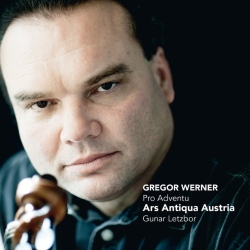
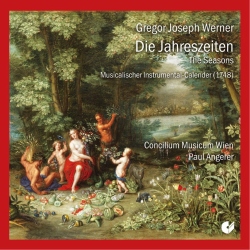
11
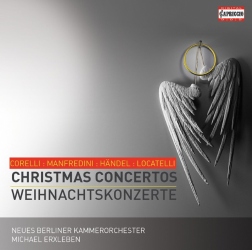
2:33
13
In the winter month (muscal instrumental calendar, November)
Il studioso melanconico (Allegro assai)
3:53
15
2:59

Copyright Ⓒ 2013 Davinci Finger. All rights reseved
Service Terms & Policy