


Johann Ludwig Böhner
Released Album
Chamber
-
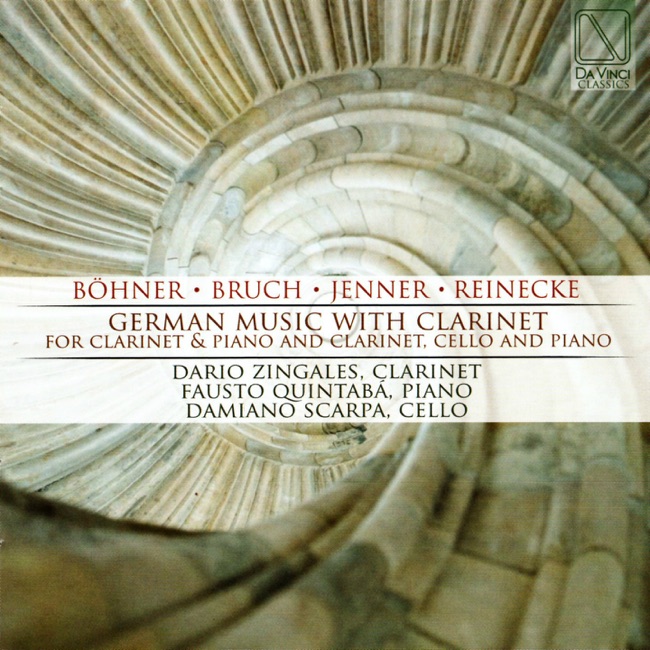 February 16, 2018
 -
Symphony
-
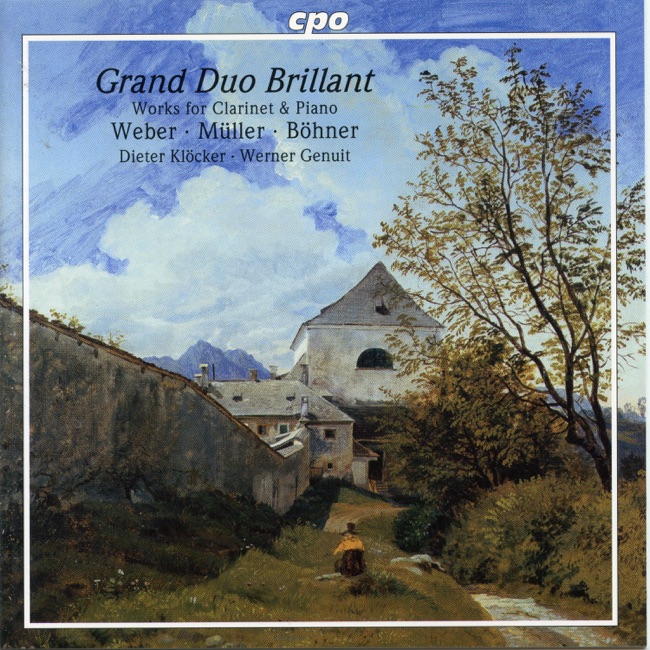
 June 1, 2011
Artist Info
Role:ComposerBirth:1787Death:1860Genre:ChamberJohann Ludwig Böhner was a German composer of the Classical era, born on January 1, 1745, in the town of Würzburg, Bavaria. He was the son of a musician, and his father recognized his son's musical talent at an early age. Böhner received his first music lessons from his father, who was a church organist and music teacher. He later studied with Johann Nepomuk Hummel, a renowned composer and pianist of the time. Böhner's musical career began in earnest when he was appointed as the court organist in Würzburg in 1765. He held this position for several years, during which time he composed a number of works for the organ, including preludes, fugues, and sonatas. In 1770, he was appointed as the court composer, a position that allowed him to compose music for the court's various events and ceremonies. Böhner's early works were heavily influenced by the music of Johann Sebastian Bach and George Frideric Handel. He was particularly interested in the fugue form, and many of his early compositions were written in this style. However, as he matured as a composer, Böhner began to develop his own unique style, which was characterized by a more lyrical and expressive approach to melody. One of Böhner's most significant works is his Symphony No. 1 in C major, which he composed in 1775. This work is notable for its use of the sonata form, which was a relatively new development in classical music at the time. The symphony is also notable for its use of the clarinet, which was a relatively new instrument at the time and was not yet widely used in orchestral music. Böhner's other notable works include his Piano Concerto No. 1 in D major, which he composed in 1780. This work is notable for its use of the piano as a solo instrument, which was a relatively new development in classical music at the time. The concerto is also notable for its use of the rondo form, which was a popular form of music at the time. Böhner's music was well-received during his lifetime, and he was regarded as one of the leading composers of his time. However, his music fell out of favor in the years following his death, and it was not until the 20th century that his music began to be rediscovered and appreciated once again. Today, Böhner is regarded as an important figure in the development of classical music, particularly in the development of the sonata form and the use of the piano as a solo instrument. His music is characterized by its lyrical melodies, expressive harmonies, and innovative use of musical forms. Despite the relative obscurity of his music during his lifetime, Böhner's contributions to classical music continue to be recognized and appreciated by musicians and music lovers around the world.More....
Recent Artist Music
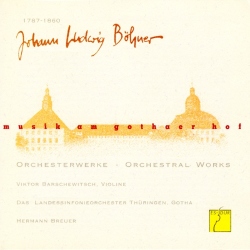
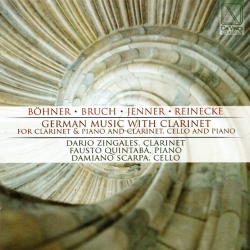

Copyright Ⓒ 2013 Davinci Finger. All rights reseved
Service Terms & Policy