


Charles Norman Mason
Released Album
Keyboard
-
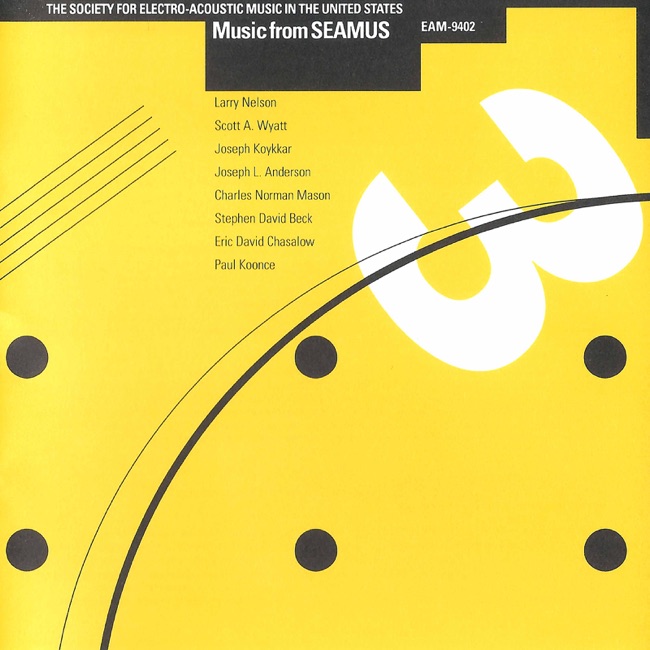 January 1, 2021
 -
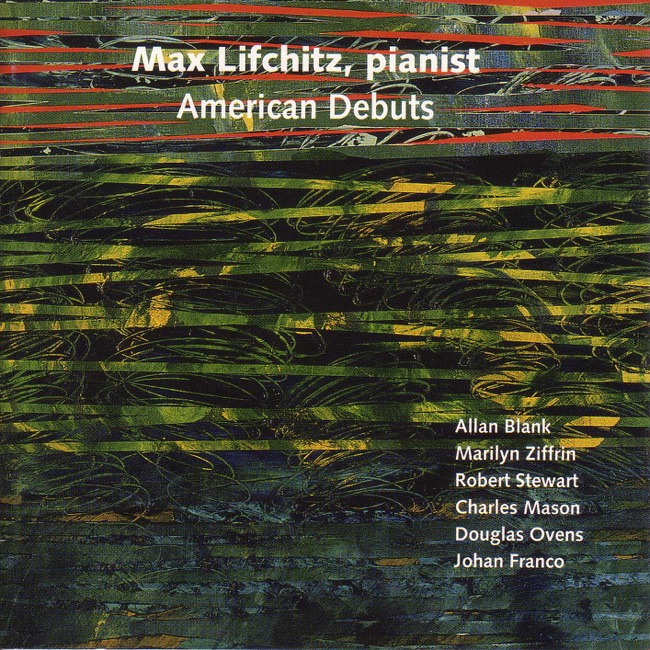 December 1, 1995
Chamber
-
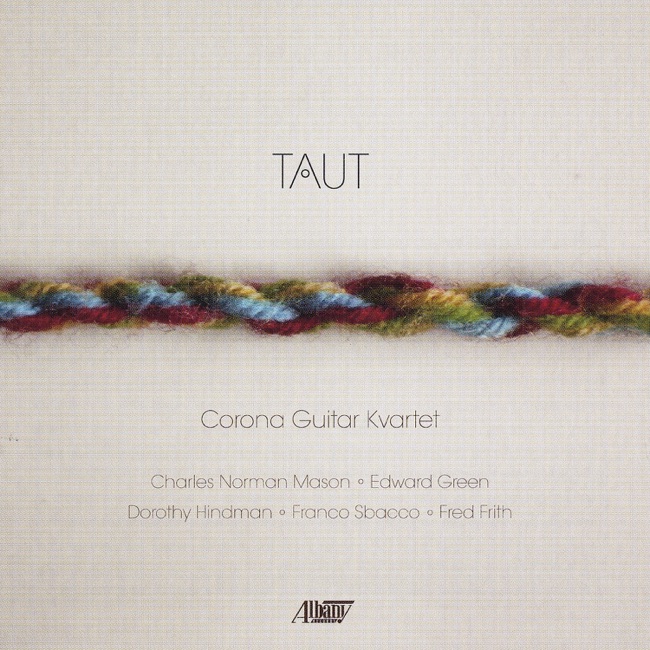 February 3, 2015
 -
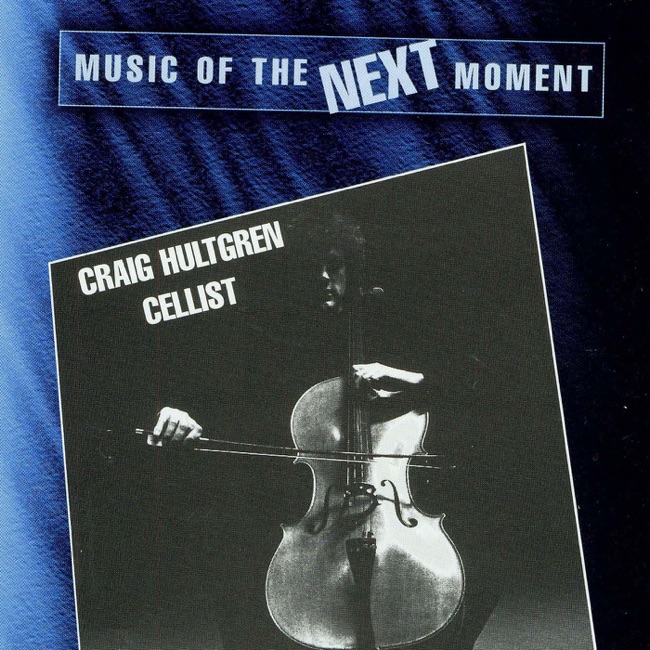 January 1, 1995
Artist Info
Role:EnsembleFormed:1955Period:ContemporaryGenre:Avant-GardeCharles Norman Mason was an American composer, pianist, and educator who was born on December 28, 1910, in New York City. He was the son of a music teacher and grew up in a musical family. His father, Charles Mason, was a composer and music educator, and his mother, Helen Mason, was a pianist and music teacher. Charles Norman Mason showed an early interest in music and began studying piano at the age of six. Mason attended the Juilliard School of Music in New York City, where he studied piano with Josef Lhévinne and composition with Bernard Wagenaar. He also studied composition with Nadia Boulanger in Paris. Mason received his Bachelor of Music degree from Juilliard in 1932 and his Master of Music degree in 1933. After completing his studies, Mason began his career as a composer and pianist. He performed as a soloist and chamber musician and also worked as a music critic for the New York Herald Tribune. In 1937, he joined the faculty of the Juilliard School, where he taught composition and piano for over 40 years. Mason's compositions are characterized by their lyricism, clarity, and formal structure. He wrote in a variety of genres, including orchestral music, chamber music, vocal music, and piano music. His works are often inspired by nature and the natural world, and he was particularly interested in the music of the Baroque and Classical periods. One of Mason's most famous works is his Piano Concerto No. 2, which was premiered by the New York Philharmonic in 1944. The concerto is a virtuosic showcase for the soloist, with a lively and energetic first movement, a lyrical second movement, and a lively and rhythmic third movement. The concerto has been performed by many of the world's leading pianists, including Vladimir Horowitz, Rudolf Serkin, and Van Cliburn. Mason also wrote a number of chamber music works, including his String Quartet No. 2, which was premiered by the Juilliard String Quartet in 1951. The quartet is a complex and challenging work, with intricate counterpoint and a wide range of emotions. Mason's other chamber music works include his Sonata for Violin and Piano, his Trio for Flute, Viola, and Harp, and his Quintet for Piano and Strings. In addition to his instrumental music, Mason also wrote a number of vocal works, including his song cycle "Songs of the Sea," which was premiered by the soprano Eleanor Steber in 1952. The cycle is a setting of poems by Walt Whitman and is characterized by its evocative and atmospheric music. Mason's other vocal works include his cantata "The Seasons," his choral work "The Earth is a Living Thing," and his opera "The Scarlet Letter," which was based on the novel by Nathaniel Hawthorne. Mason was also a respected music educator and wrote a number of influential books on music theory and composition. His books include "Harmony and Ear Training," "Counterpoint," and "The Principles of Orchestration." He was known for his clear and concise writing style and his ability to explain complex musical concepts in a way that was accessible to students. Mason retired from the Juilliard School in 1980 but continued to compose and perform until his death in 2009 at the age of 98. He was a beloved figure in the world of classical music and was known for his generosity, kindness, and dedication to his students. His music continues to be performed and recorded by musicians around the world, and his legacy as a composer and educator lives on.More....

Copyright Ⓒ 2013 Davinci Finger. All rights reseved
Service Terms & Policy