


Luigi Hugues
Released Album
Chamber
-
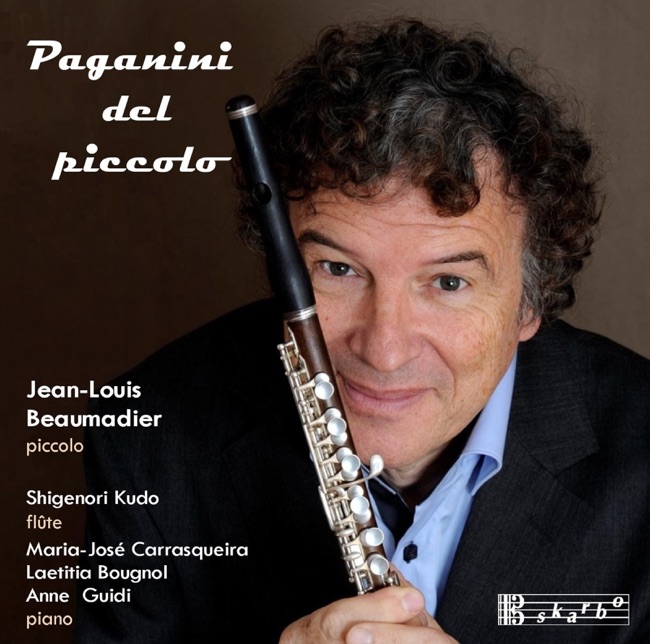 May 4, 2018
 -
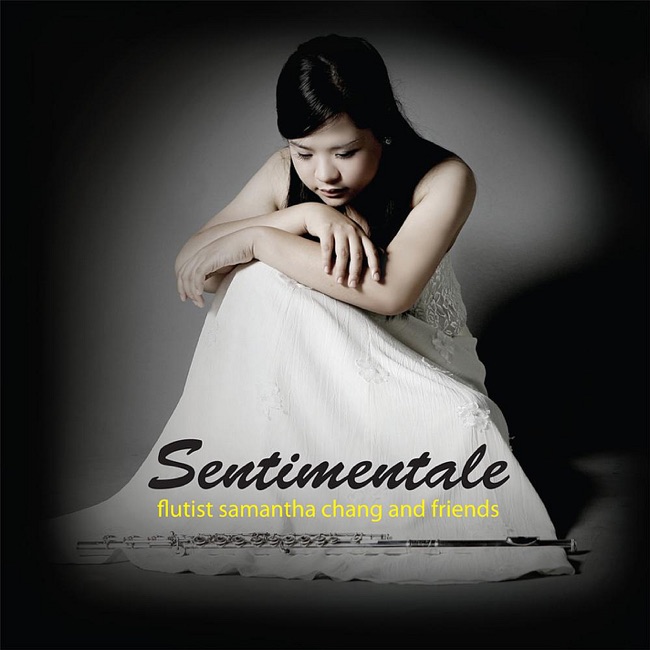 April 16, 2011
 -
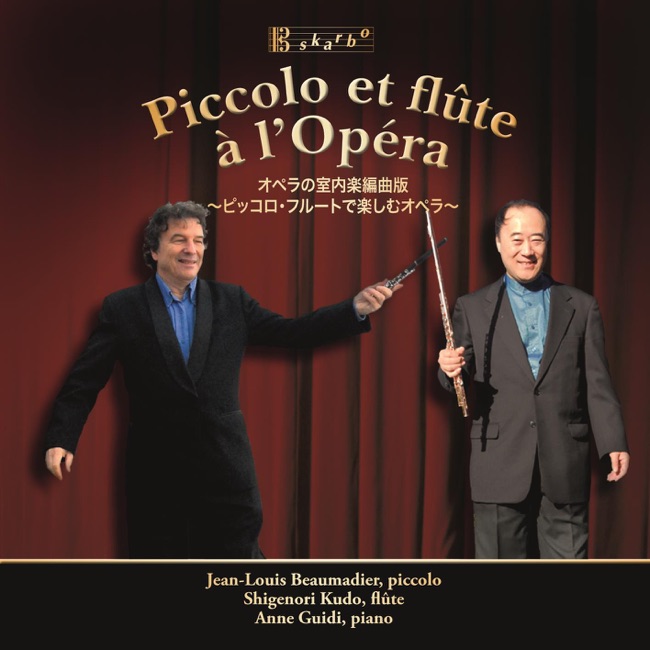 March 10, 2009
 -
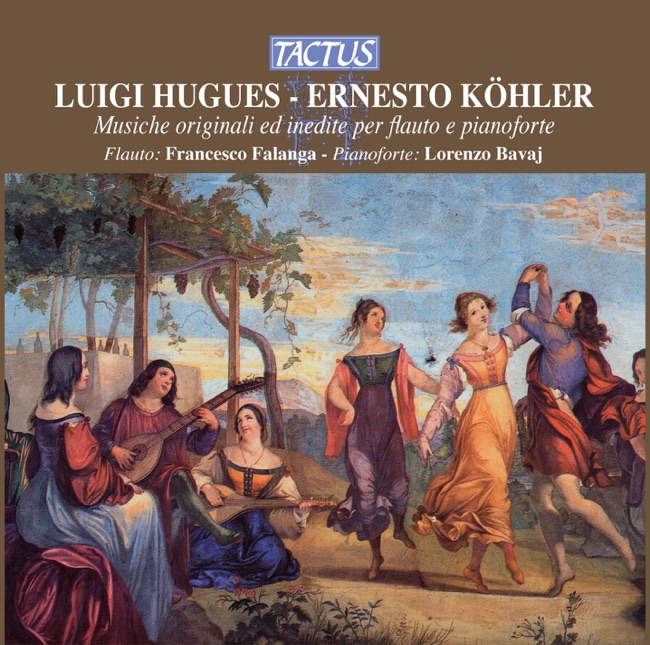
-
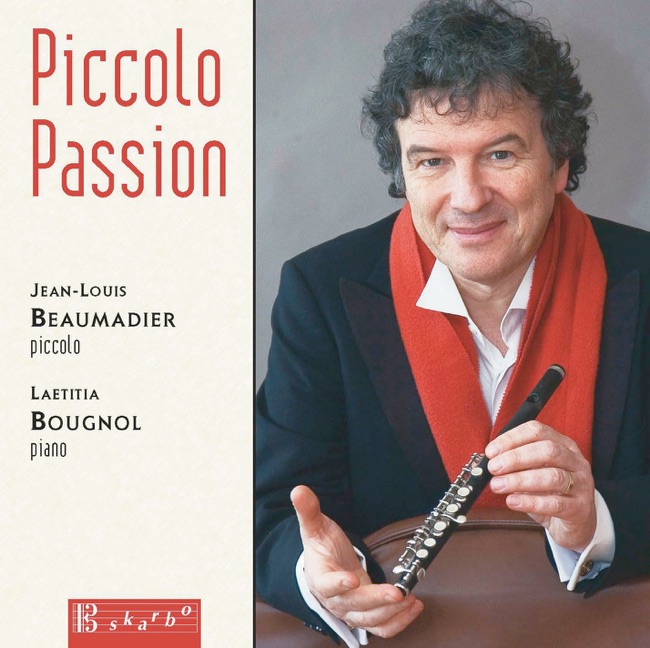 October 25, 2005
 -
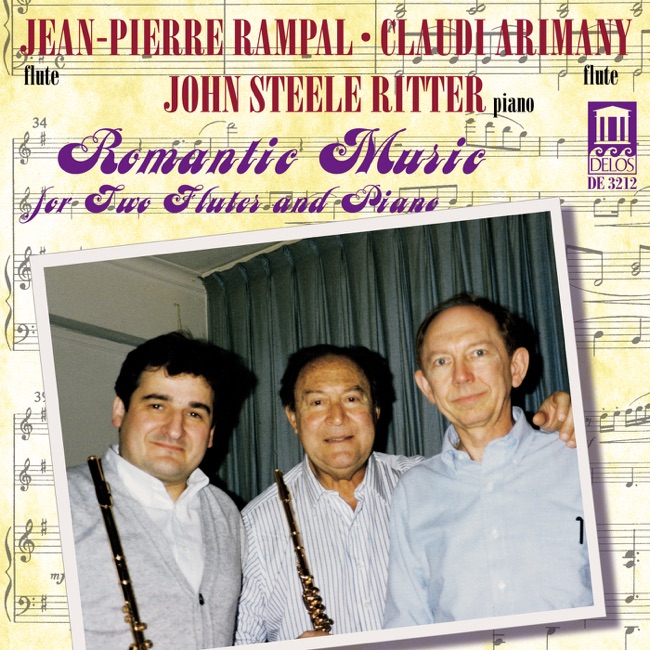 January 14, 1997
Artist Info
Role:ComposerBirth:1836Death:1913Genre:ChamberLuigi Hugues was a prominent classical music composer who lived from 1836 to 1913. He was born in the city of Turin, Italy, to a family of musicians. His father was a violinist, and his mother was a singer. From a young age, Hugues showed a great interest in music, and his parents encouraged him to pursue his passion. Hugues received his early musical education from his father, who taught him to play the violin. He also received training in composition and music theory from local music teachers. At the age of 16, Hugues moved to Paris to study music at the Conservatoire de Paris. There, he studied under some of the most renowned composers of the time, including Charles Gounod and Ambroise Thomas. Hugues quickly established himself as a talented composer, and his works began to gain recognition. In 1861, he won the prestigious Prix de Rome, a scholarship awarded to young composers to study in Rome. This allowed him to spend several years in Italy, where he was able to study the works of the great Italian composers of the past. Hugues' music was heavily influenced by the Romantic movement, which was popular during his lifetime. His compositions were characterized by their emotional intensity, rich harmonies, and use of orchestral color. He was particularly skilled at writing for the orchestra, and his works often featured complex and intricate orchestration. One of Hugues' most famous works is his Symphony No. 1 in D major, which he composed in 1867. The symphony is a grand and sweeping work, with four movements that showcase Hugues' skill as a composer. The first movement is a lively and energetic allegro, while the second is a slow and mournful adagio. The third movement is a playful scherzo, and the final movement is a triumphant allegro. Another notable work by Hugues is his opera La Navarraise, which he composed in 1894. The opera tells the story of a young woman from Navarre who joins a group of rebels fighting against the Spanish army. The opera is notable for its dramatic intensity and its use of Spanish folk music. Hugues also composed a number of chamber music works, including several string quartets and a piano trio. His chamber music is characterized by its lyrical melodies and its use of rich harmonies. Throughout his career, Hugues was highly regarded by his contemporaries. He was a member of the Académie des Beaux-Arts, one of the most prestigious artistic organizations in France. He was also awarded the Legion of Honor, the highest civilian award in France. Hugues' music fell out of favor in the years following his death, as the musical world moved away from the Romantic style that he favored. However, in recent years, there has been a renewed interest in his music, and his works are once again being performed and recorded. In conclusion, Luigi Hugues was a talented and influential composer who made significant contributions to the world of classical music. His works are characterized by their emotional intensity, rich harmonies, and intricate orchestration. Although his music fell out of favor for a time, it is now being rediscovered and appreciated by a new generation of music lovers.More....
Recent Artist Music

Copyright Ⓒ 2013 Davinci Finger. All rights reseved
Service Terms & Policy