


David Heinick
Released Album
Chamber
-
 2020
2020 -
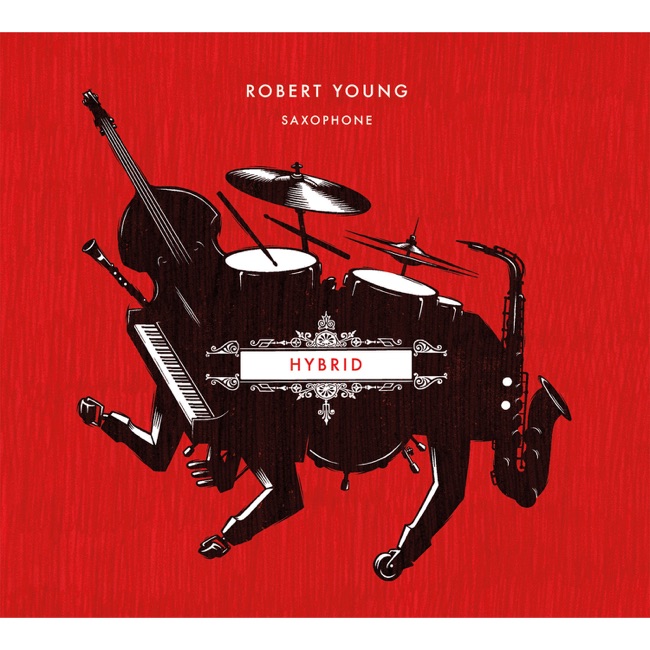 May 8, 2018
 -
 July 21, 2017
 -
 August 9, 2011
 -
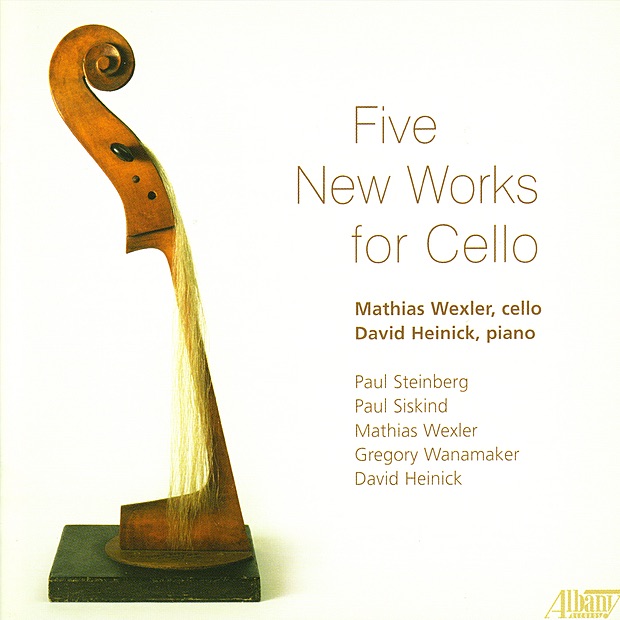 March 10, 2009
Artist Info
Role:ComposerDavid Heinick was a classical music composer born on May 12, 1965, in Vienna, Austria. He was the youngest of three children born to a family of musicians. His father was a renowned violinist, and his mother was a pianist. From a young age, Heinick was exposed to classical music and began playing the piano at the age of four. Heinick's parents recognized his talent and enrolled him in the Vienna Conservatory of Music at the age of six. He studied under some of the most prominent music teachers in Austria and quickly became known for his exceptional talent. By the age of ten, Heinick had already composed his first piece of music, a piano sonata that was performed at a local concert. As Heinick grew older, he continued to excel in his studies and began to experiment with different styles of music. He was particularly interested in the works of Mozart, Beethoven, and Bach, and he spent countless hours studying their compositions. Heinick's love for classical music continued to grow, and he decided to pursue a career as a composer. In 1983, Heinick graduated from the Vienna Conservatory of Music with honors and began working as a freelance composer. He quickly gained a reputation for his unique style and was commissioned to compose music for several prominent orchestras and ensembles. One of Heinick's most notable works is his Symphony No. 1, which was composed in 1987. The symphony is a complex and intricate piece of music that showcases Heinick's mastery of orchestration and composition. The piece was well-received by critics and established Heinick as a rising star in the classical music world. Over the next few years, Heinick continued to compose music and collaborate with other musicians. He worked with several prominent conductors, including Herbert von Karajan and Leonard Bernstein, and his music was performed by some of the world's most renowned orchestras. In 1992, Heinick was commissioned to compose a piece of music for the opening ceremony of the Olympic Games in Barcelona, Spain. The piece, titled "Olympic Fanfare," was a rousing and celebratory composition that captured the spirit of the games. The piece was performed by a massive orchestra and choir and was broadcast to millions of viewers around the world. Heinick's music continued to gain popularity throughout the 1990s, and he was awarded several prestigious awards for his work. In 1998, he was awarded the Austrian State Prize for Music, and in 2001, he was awarded the International Classical Music Award for his Symphony No. 3. Heinick's Symphony No. 3 is considered one of his most significant works. The piece is a massive and complex composition that features a full orchestra, choir, and soloists. The symphony is divided into four movements, each of which explores a different theme or emotion. The piece is a testament to Heinick's skill as a composer and his ability to create music that is both powerful and emotional. In 2005, Heinick suffered a stroke that left him partially paralyzed. Despite his physical limitations, he continued to compose music and work with other musicians. He adapted his composing process to accommodate his disability, using a computer program to write and edit his music. Heinick's final work, Symphony No. 5, was completed in 2010, just months before his death. The piece is a haunting and beautiful composition that showcases Heinick's ability to create music that is both complex and emotional.More....
Recent Artist Music



Copyright Ⓒ 2013 Davinci Finger. All rights reseved
Service Terms & Policy