


Moisei Vainberg
Released Album
Chamber
-
 April 22, 2022
 -
 May 19, 2017
 -
-
 January 1, 1994
Artist Info
Role:ComposerBirth:1919Death:1996Moisei Vainberg was a Soviet composer of Polish-Jewish origin, born on December 17, 1919, in Warsaw, Poland. He was the son of a violinist and a pianist, and his parents recognized his musical talent at an early age. Vainberg began studying piano and composition at the age of six, and by the time he was a teenager, he had already composed several works for piano and chamber ensembles. In 1939, Vainberg moved to the Soviet Union to study at the Minsk Conservatory, where he studied composition with Vasily Zolotaryov and piano with Yakov Zak. However, his studies were interrupted by the outbreak of World War II, and he was drafted into the Red Army in 1941. During the war, Vainberg served as a military musician, playing the piano and conducting orchestras for the troops. After the war, Vainberg returned to the Minsk Conservatory to complete his studies, and he began to gain recognition as a composer. His first major success came in 1948, when his String Quartet No. 1 was awarded first prize at the All-Union Competition for Composers. This led to a commission from the Bolshoi Theatre to write an opera, The Madonna and the Soldier, which premiered in 1958. Throughout his career, Vainberg composed a wide variety of works, including symphonies, concertos, chamber music, operas, and vocal music. His music is characterized by its emotional intensity, lyrical melodies, and complex harmonies. Vainberg was heavily influenced by the music of his contemporaries, including Shostakovich, Prokofiev, and Bartok, as well as by the Jewish folk music of his heritage. One of Vainberg's most famous works is his Symphony No. 13, which he composed in 1976. The symphony is a tribute to the victims of the Holocaust, and it includes quotations from Jewish folk songs and prayers. The work is a powerful and emotional statement on the tragedy of the Holocaust, and it has been widely performed and recorded. Another notable work by Vainberg is his String Quartet No. 15, which he composed in 1974. The quartet is a deeply personal work, written in memory of Vainberg's first wife, who died in 1971. The work is a powerful expression of grief and loss, and it has been praised for its emotional depth and musical complexity. Vainberg's operas are also highly regarded, particularly his final opera, The Plot, which he composed in 1984. The opera is a political thriller, set in Stalinist Russia, and it explores themes of power, corruption, and betrayal. The work is a powerful indictment of the Soviet regime, and it has been praised for its dramatic intensity and musical sophistication. Despite his talent and success, Vainberg's career was often overshadowed by the political climate of the Soviet Union. He was Jewish, and he faced discrimination and persecution from the Soviet authorities. His music was often censored or suppressed, and he was unable to travel or perform outside of the Soviet Union. Vainberg died on February 26, 1996, in Moscow, Russia. Despite the challenges he faced during his lifetime, his music has continued to gain recognition and appreciation in the years since his death. Today, he is regarded as one of the most important composers of the 20th century, and his music is performed and recorded by orchestras and ensembles around the world.More....
Recent Artist Music
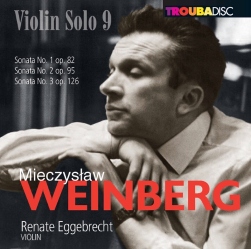
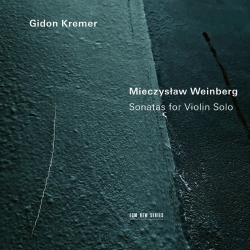
3
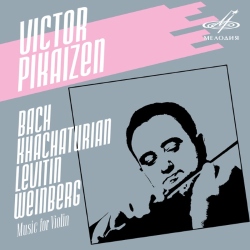
23:15
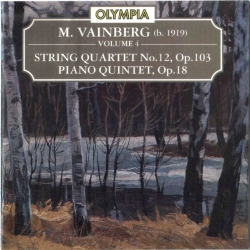
Copyright Ⓒ 2013 Davinci Finger. All rights reseved
Service Terms & Policy