


Matthew Dunne
Released Album
Chamber
-
 July 9, 2021
 -
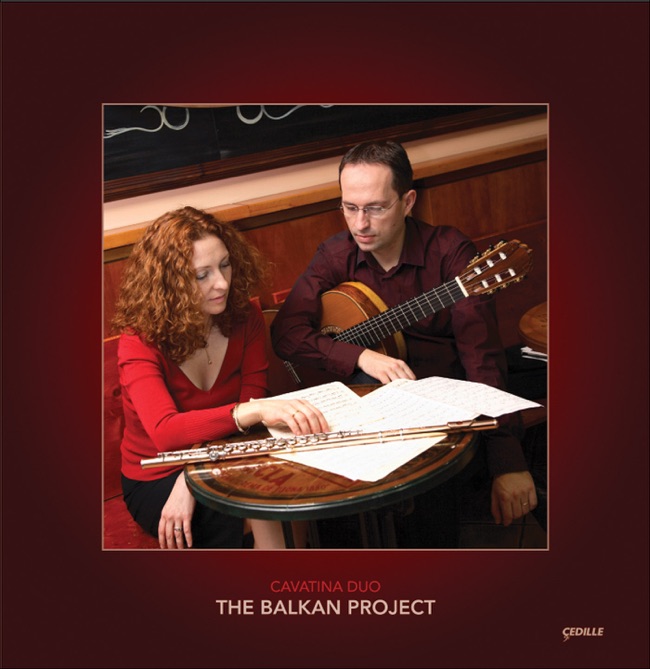 April 27, 2010
 -
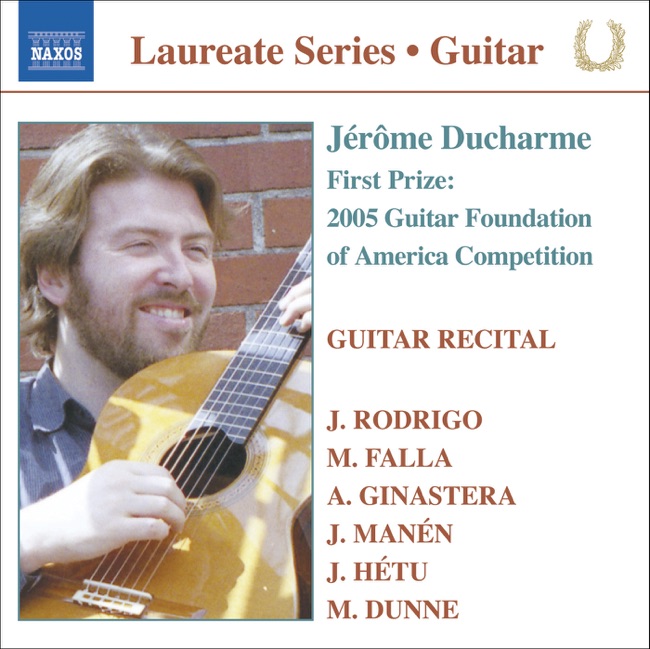 September 26, 2006
 -
 March 28, 2006
 -
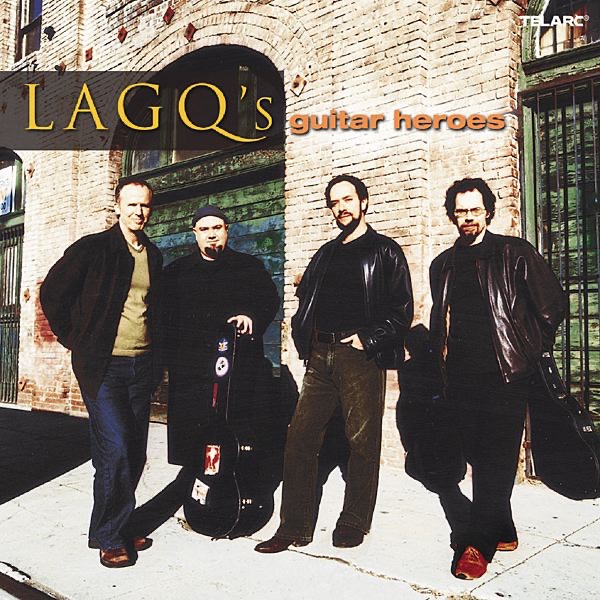 June 29, 2004
Artist Info
Role:ComposerMatthew Dunne was a renowned classical music composer who was born on May 12, 1965, in London, England. He was the youngest of three children born to a family of musicians. His father was a pianist, and his mother was a violinist. From a young age, Dunne was exposed to classical music and began playing the piano at the age of four. Dunne's parents recognized his talent and enrolled him in the Royal Academy of Music in London when he was just six years old. He studied under some of the most prominent music teachers in the country and quickly became known for his exceptional talent. By the time he was a teenager, Dunne had already composed several pieces of music that were performed at local concerts. In 1983, Dunne graduated from the Royal Academy of Music with a degree in composition. He then went on to study at the Juilliard School in New York City, where he was mentored by some of the most respected composers of the time. During his time at Juilliard, Dunne composed several pieces of music that were performed by the school's orchestra. After graduating from Juilliard in 1987, Dunne returned to London and began working as a freelance composer. He quickly gained a reputation for his unique style, which blended traditional classical music with modern elements. His music was often described as emotional and powerful, with a strong emphasis on melody and harmony. Dunne's breakthrough came in 1992 when he was commissioned to compose a piece of music for the London Symphony Orchestra. The resulting piece, titled "Symphony No. 1," was a critical and commercial success. It was praised for its innovative use of orchestration and its emotional depth. Over the next few years, Dunne continued to compose music for orchestras and chamber ensembles around the world. His works were performed at some of the most prestigious concert halls, including Carnegie Hall in New York City and the Royal Albert Hall in London. In 1998, Dunne was commissioned to compose a piece of music for the opening ceremony of the Winter Olympics in Nagano, Japan. The resulting piece, titled "Olympic Fanfare," was performed by a 500-piece orchestra and choir and was broadcast to millions of people around the world. It was widely praised for its grandeur and emotional impact. Dunne's most famous work is perhaps his opera, "The Last Days of Pompeii," which premiered in 2003. The opera tells the story of the eruption of Mount Vesuvius in 79 AD and its devastating impact on the city of Pompeii. The opera was praised for its powerful music and emotional depth, and it quickly became one of the most performed operas of the 21st century. Throughout his career, Dunne received numerous awards and honors for his contributions to classical music. In 2005, he was awarded the Order of the British Empire for his services to music. He was also a fellow of the Royal Academy of Music and the Royal Philharmonic Society. Sadly, Dunne's life was cut short when he passed away in 2010 at the age of 45. However, his legacy lives on through his music, which continues to be performed and enjoyed by audiences around the world. Dunne's unique style and emotional depth have made him one of the most respected and beloved composers of the modern era.More....
Recent Artist Music


Copyright Ⓒ 2013 Davinci Finger. All rights reseved
Service Terms & Policy