


Alberto Guerrero
Released Album
Chamber
-
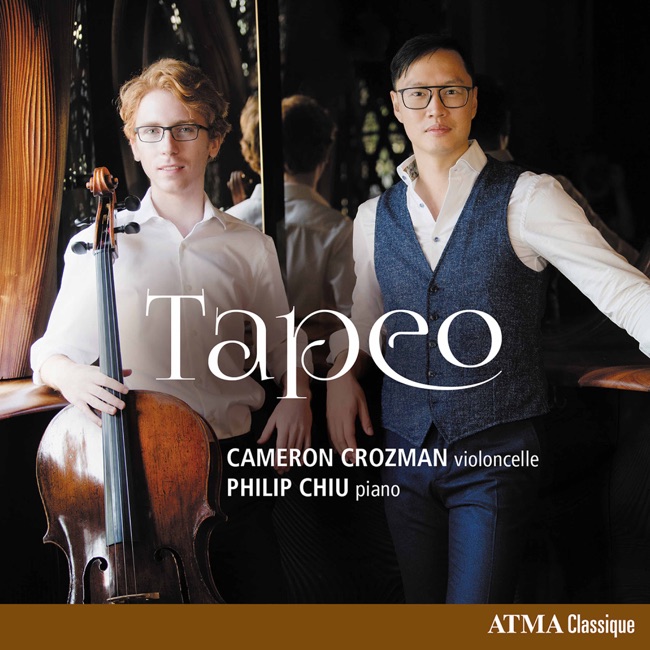 January 22, 2021
Keyboard
Artist Info
Role:ComposerBirth:February 6, 1886 in La Serena, ChileDeath:November 7, 1959Alberto Guerrero was a renowned classical music composer and pianist who was born on August 6, 1886, in Trujillo, Peru. He was the son of a Spanish father and a Peruvian mother. Guerrero's father was a musician and a composer, and he was the one who introduced him to music at a very young age. Guerrero's father taught him how to play the piano, and he quickly showed a natural talent for the instrument. At the age of 12, Guerrero moved to Lima, Peru, to study music at the National Conservatory of Music. He studied under the tutelage of the renowned composer and pianist, Carlos Sánchez Málaga. Guerrero's talent was quickly recognized, and he was awarded a scholarship to study in Europe. In 1905, Guerrero moved to Brussels, Belgium, to study at the Royal Conservatory of Brussels. He studied under the guidance of the famous pianist and composer, Eugène Ysaÿe. Guerrero's time in Brussels was a turning point in his career, as he was exposed to a wide range of musical styles and techniques. He also had the opportunity to perform in public concerts, which helped him gain recognition as a pianist. After completing his studies in Brussels, Guerrero moved to Paris, France, where he continued to study music and perform in public concerts. He also began to compose his own music, and his compositions were well-received by audiences and critics alike. Guerrero's music was characterized by its romantic and lyrical style, and it often incorporated elements of Peruvian folk music. In 1914, Guerrero returned to Peru, where he became a professor of piano at the National Conservatory of Music in Lima. He also continued to compose music, and his works were performed by some of the most renowned orchestras and musicians in Peru and abroad. One of Guerrero's most famous compositions is his Piano Concerto No. 1, which he composed in 1929. The concerto is characterized by its virtuosic piano passages and its use of Peruvian folk music. The concerto was premiered in Lima in 1930, and it was an instant success. It has since become one of the most popular works in the Peruvian classical music repertoire. Guerrero's other notable works include his Suite Peruana, which is a collection of piano pieces that incorporate elements of Peruvian folk music, and his Sonata for Violin and Piano, which is a lyrical and expressive work that showcases Guerrero's skill as a composer. In addition to his work as a composer, Guerrero was also a renowned pianist. He performed in concerts throughout Peru and abroad, and he was known for his virtuosic playing and his ability to bring out the emotional depth of the music he played. Guerrero's contributions to the development of classical music in Peru were significant. He was one of the first Peruvian composers to incorporate elements of Peruvian folk music into his compositions, and he helped to establish a distinct Peruvian classical music tradition. Guerrero's influence can still be felt in the works of contemporary Peruvian composers. Guerrero died on November 7, 1959, in Lima, Peru. His legacy as a composer and pianist continues to be celebrated in Peru and abroad. His music remains an important part of the Peruvian classical music repertoire, and his contributions to the development of classical music in Peru are still recognized and celebrated today.More....
Copyright Ⓒ 2013 Davinci Finger. All rights reseved
Service Terms & Policy