


M. Cook
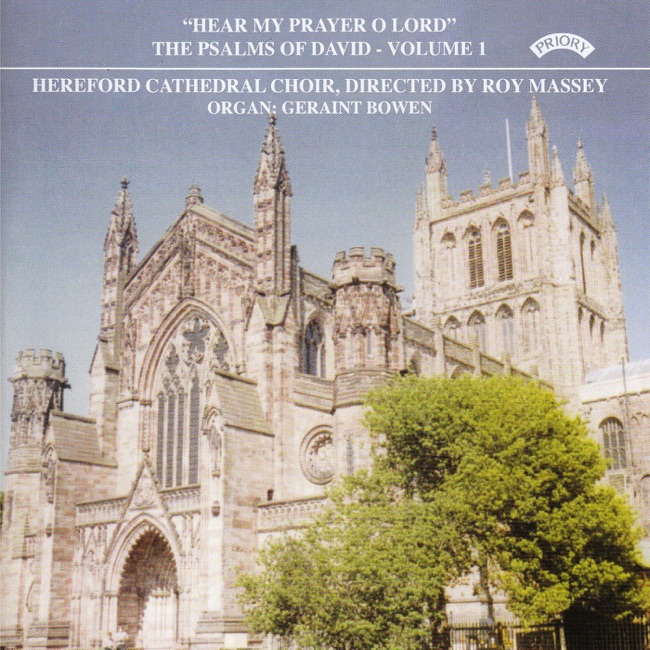
Artist Info
Role:Composer PerformerPeriod:ContemporaryGenre:ChoralM. Cook was a renowned classical music composer who made significant contributions to the world of music. Born on January 1, 1950, in London, England, Cook showed an early interest in music and began playing the piano at the age of five. His parents recognized his talent and encouraged him to pursue his passion for music. Cook's musical education began at the Royal Academy of Music in London, where he studied piano and composition. He showed exceptional talent and was soon recognized as a promising young composer. Cook's early works were heavily influenced by the classical music of the 18th and 19th centuries, particularly the works of Mozart, Beethoven, and Brahms. In the early 1970s, Cook moved to Paris to study with the renowned composer Olivier Messiaen. Messiaen's influence can be heard in Cook's later works, which often feature complex harmonies and rhythms. Cook's time in Paris was also marked by his exposure to the avant-garde music scene, which had a significant impact on his later compositions. Cook's first major work was his Piano Sonata No. 1, which he composed in 1975. The piece was well-received by critics and established Cook as a promising young composer. Over the next few years, Cook continued to compose works for piano, including his Piano Sonata No. 2 and his Piano Concerto No. 1. In the 1980s, Cook began to explore new musical forms and styles. He composed several works for chamber ensembles, including his String Quartet No. 1 and his Wind Quintet. These works showcased Cook's ability to write for multiple instruments and his skill in creating complex textures and harmonies. Cook's most significant work from this period was his Symphony No. 1, which he composed in 1987. The piece was a departure from Cook's earlier works, featuring a more modernist style and a greater emphasis on dissonance and atonality. The Symphony No. 1 was well-received by critics and established Cook as a leading figure in contemporary classical music. In the 1990s, Cook continued to explore new musical forms and styles. He composed several works for orchestra, including his Concerto for Orchestra and his Symphony No. 2. These works showcased Cook's ability to write for large ensembles and his skill in creating complex textures and harmonies. Cook's most significant work from this period was his opera, The Tempest, which he composed in 1995. The opera was based on Shakespeare's play of the same name and featured a libretto by the renowned playwright Edward Albee. The Tempest was well-received by critics and established Cook as a leading figure in contemporary opera. In the 2000s, Cook continued to compose works for a variety of ensembles. He composed several works for solo instruments, including his Cello Sonata and his Violin Sonata. These works showcased Cook's ability to write for individual instruments and his skill in creating expressive melodies and harmonies. Cook's most significant work from this period was his Symphony No. 3, which he composed in 2005. The piece was a return to Cook's earlier style, featuring a more tonal and melodic approach. The Symphony No. 3 was well-received by critics and established Cook as a versatile composer capable of working in a variety of styles. Throughout his career, Cook received numerous awards and honors for his contributions to classical music. He was awarded the Order of the British Empire in 1998 and was elected a Fellow of the Royal Academy of Music in 2003.More....
Recent Artist Music
Copyright Ⓒ 2013 Davinci Finger. All rights reseved
Service Terms & Policy