


Philipp Heinrich Erlebach
Released Album
Chamber
-
-
 August 9, 2019
 -
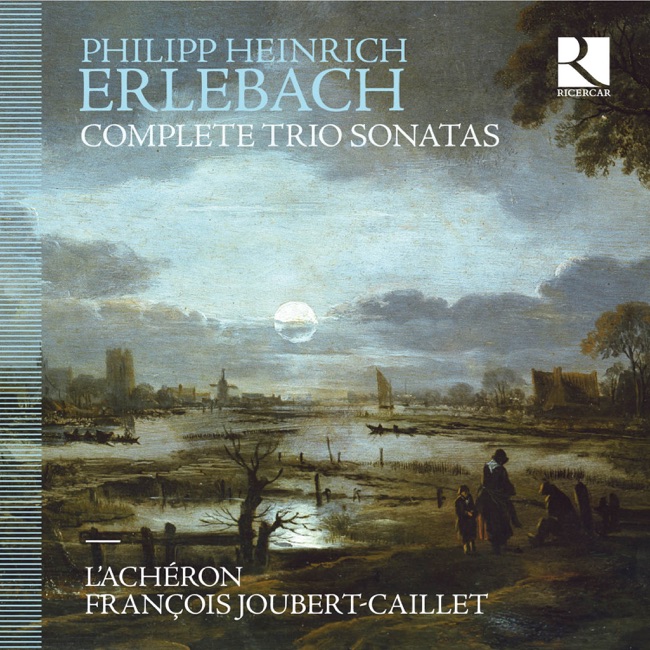 January 11, 2019
 -
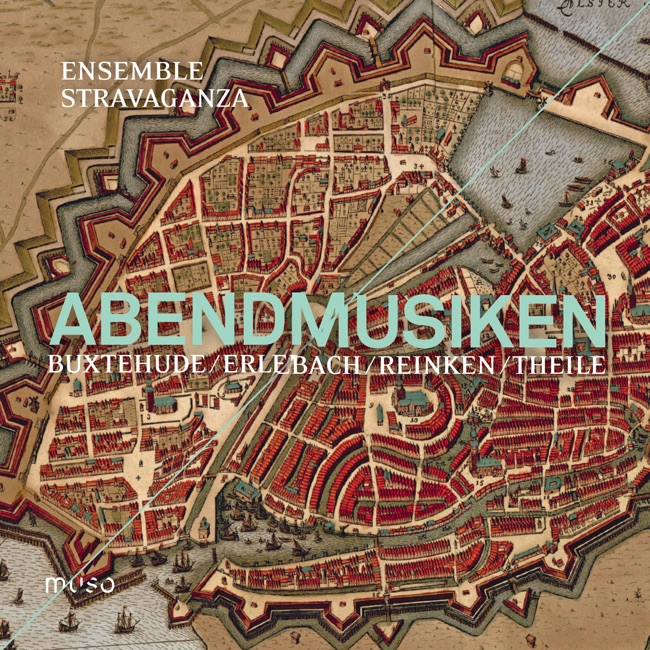 November 16, 2018
 -
 September 4, 2015
 -
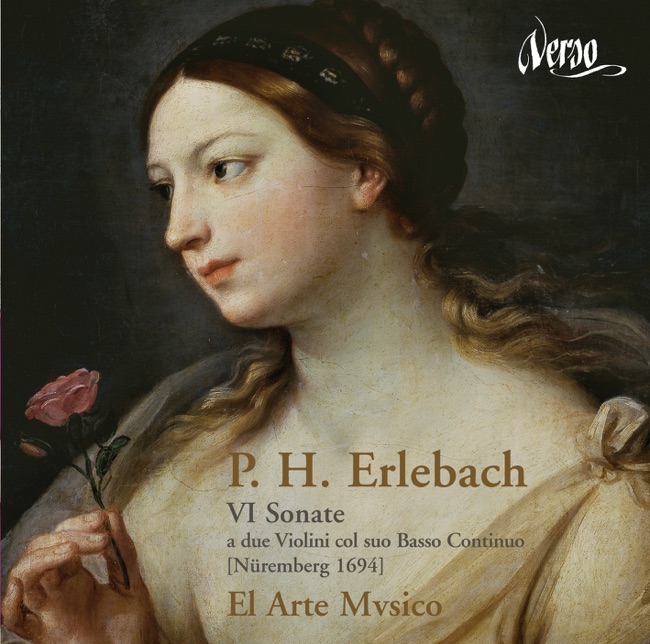 November 19, 2013
Vocal
-
 November 3, 2023
 -
 October 19, 2018
 -
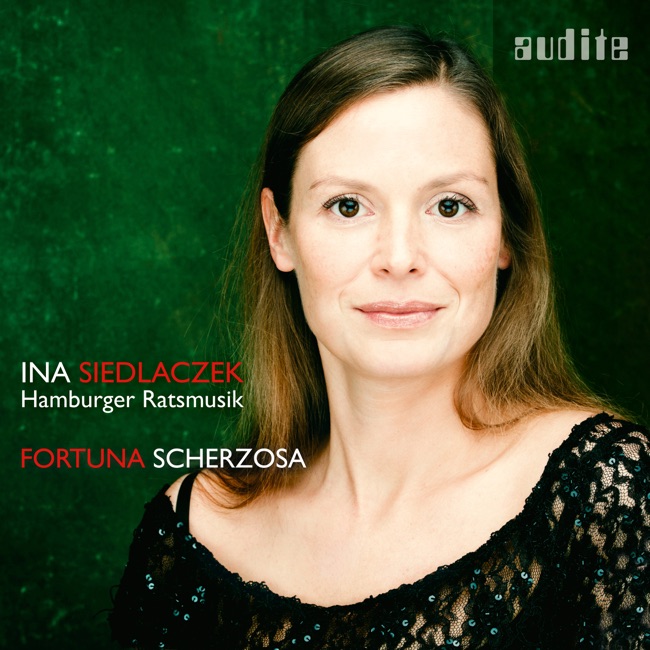 February 10, 2014
Choral
-
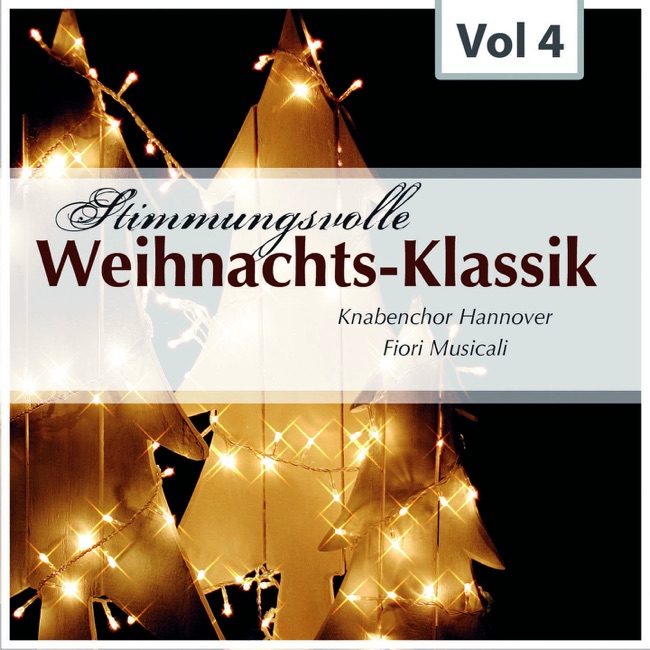 September 2, 2013
 -
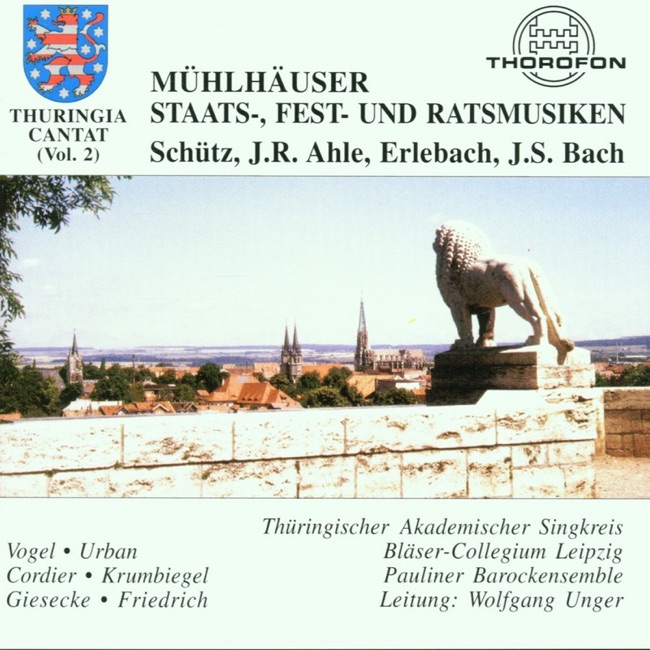 September 2, 2008
 -
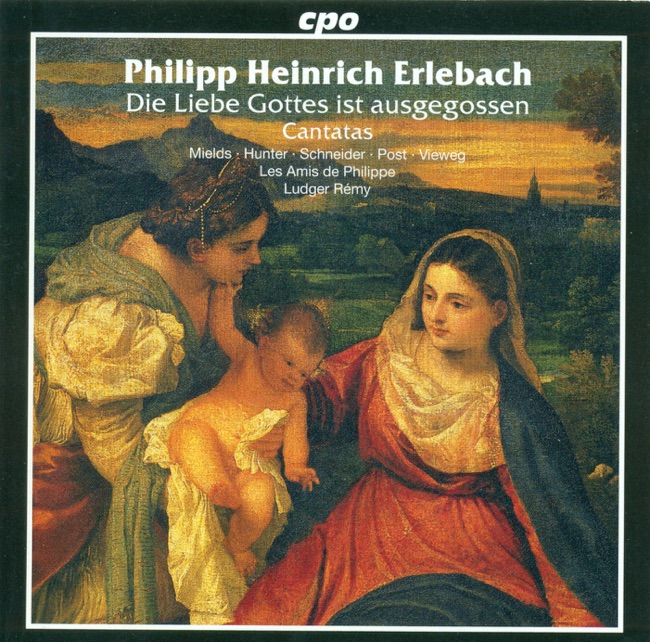 February 26, 2008
 -
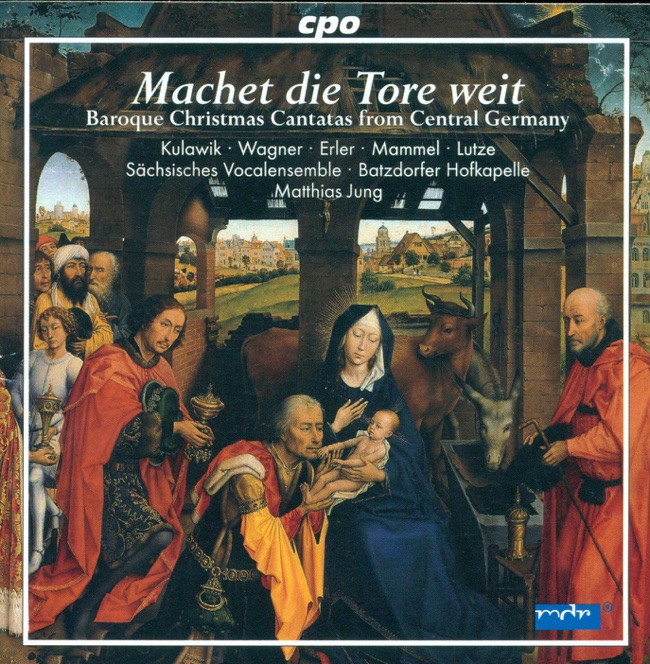 November 20, 2007
 -
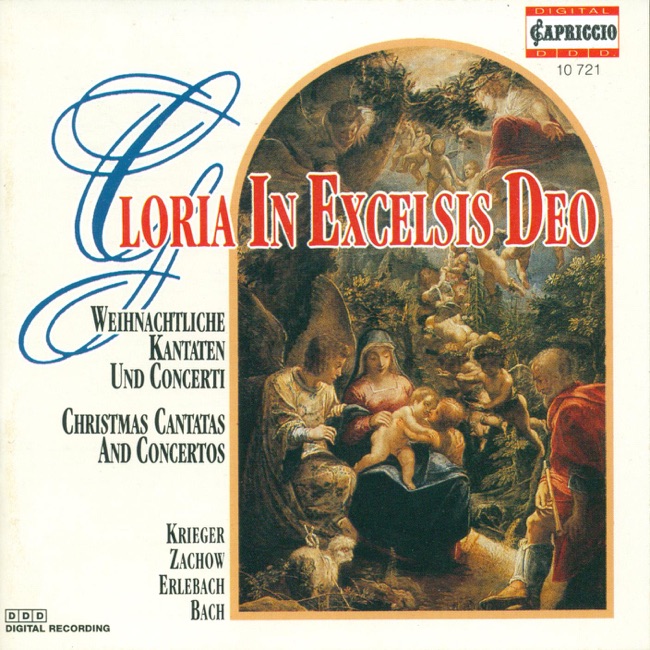 October 29, 1996
 -
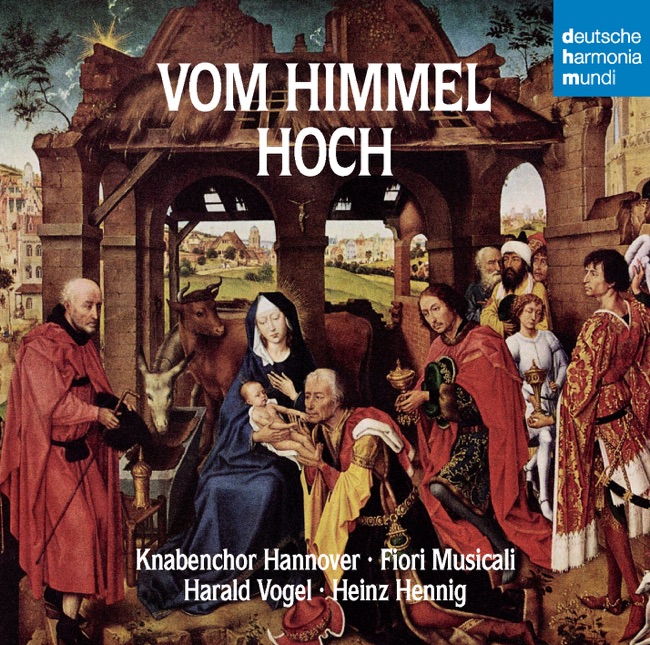 1989
1989
Orchestral
Artist Info
Role:ComposerCountry: GermanyBirth:July 25, 1657 in Esens, GermanyDeath:April 17, 1714 in Rudolstadt, GermanyPeriod:BaroqueGenre:ChamberPhilipp Heinrich Erlebach was a German composer of the Baroque era, born in Esens, East Frisia, in 1657. He was the son of a Lutheran pastor, and his musical talent was recognized at an early age. He received his education in music from his father and later from the organist of the local church. Erlebach's musical career began in 1677 when he was appointed as the court musician at Rudolstadt, Thuringia. He served as a violinist and a composer at the court of Count Albrecht Anton von Schwarzburg-Rudolstadt. During his time at the court, Erlebach composed a large number of works, including operas, cantatas, and instrumental music. Erlebach's music was highly regarded during his lifetime, and he was considered one of the most important composers of his time. His music was characterized by its emotional depth, expressive melodies, and rich harmonies. He was also known for his use of chromaticism and his innovative approach to harmony. Erlebach's most significant contribution to music was his development of the sonata form. He was one of the first composers to use the sonata form in his instrumental music, and his works were influential in the development of the form. His sonatas were characterized by their use of contrasting themes, complex harmonies, and virtuosic violin writing. Erlebach's most famous work is his opera "Die geplünderte und wieder erlangte Dornrose" (The Plundered and Regained Briar Rose), which was first performed in 1697. The opera was a great success and was performed throughout Germany. It is considered one of the most important operas of the Baroque era. Erlebach's other notable works include his cantatas, which were written for the church and were highly regarded for their emotional depth and expressive melodies. His instrumental music, including his sonatas and suites, were also highly regarded and were influential in the development of the Baroque instrumental style. Erlebach's life was cut short when he died suddenly in 1714 at the age of 57. Despite his relatively short life, he left behind a significant body of work that has been highly regarded by musicians and musicologists alike. His music continues to be performed and recorded today, and his contributions to the development of Baroque music are still recognized and celebrated.More....
Recent Artist Music
2
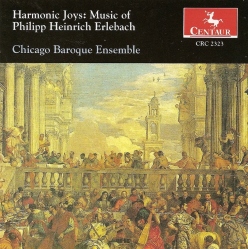
1:12
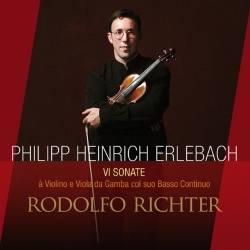
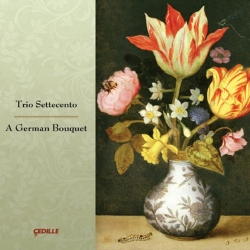
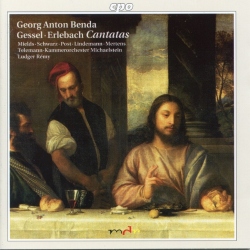
6
9:50
14
3:46
15
1:40

Copyright Ⓒ 2013 Davinci Finger. All rights reseved
Service Terms & Policy