


Alfred Uhl
Released Album
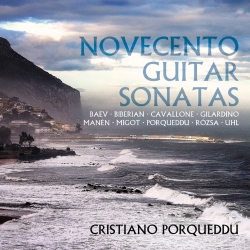
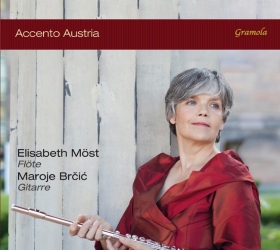
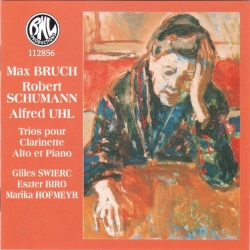
Chamber
-
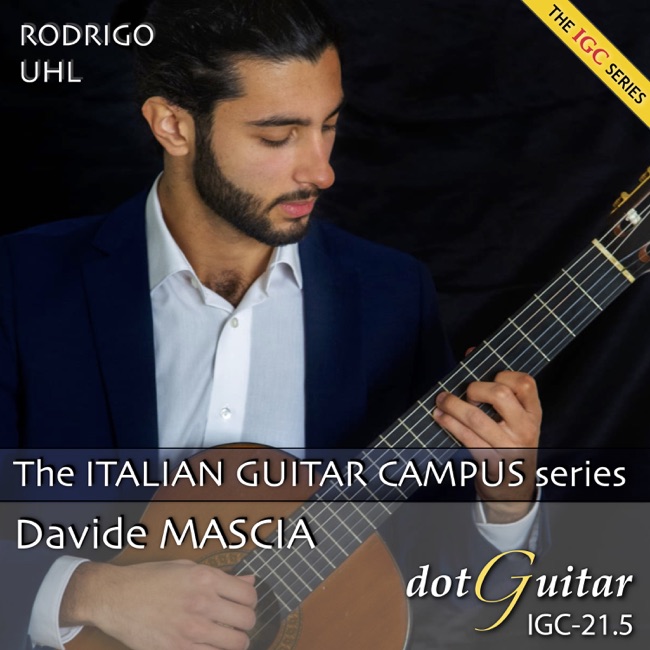 April 19, 2022
 -
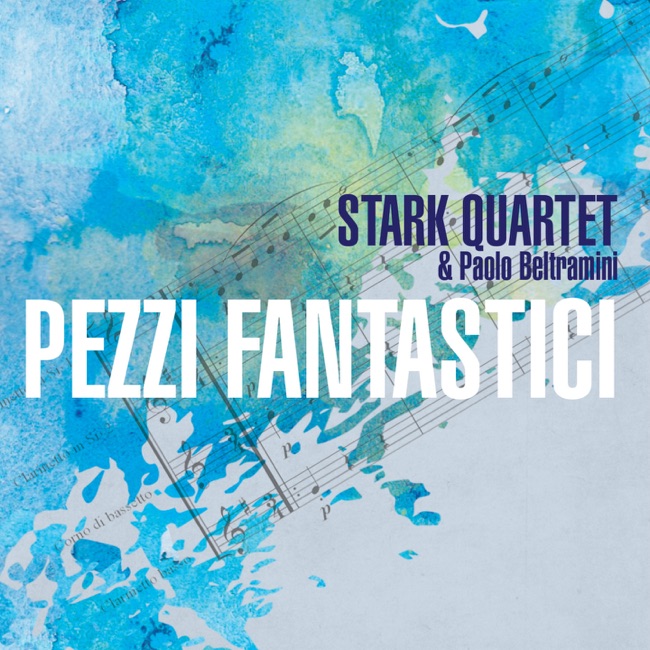 April 12, 2019
 -
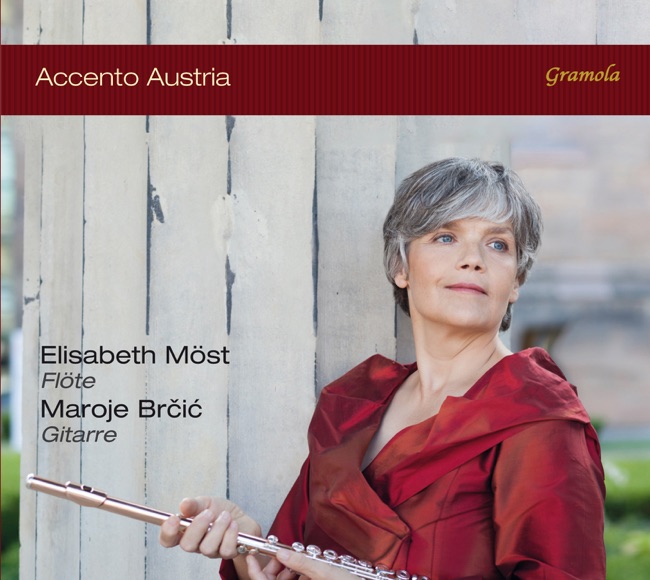 May 13, 2016
 -
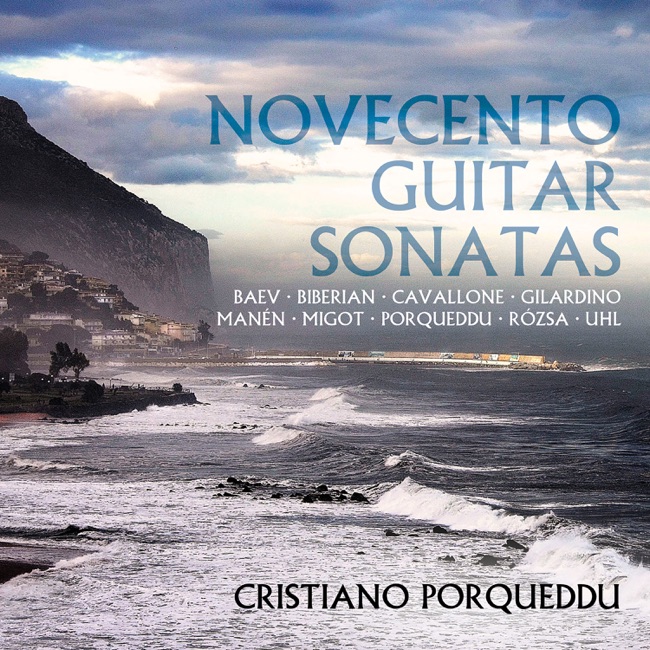 July 21, 2014
 -
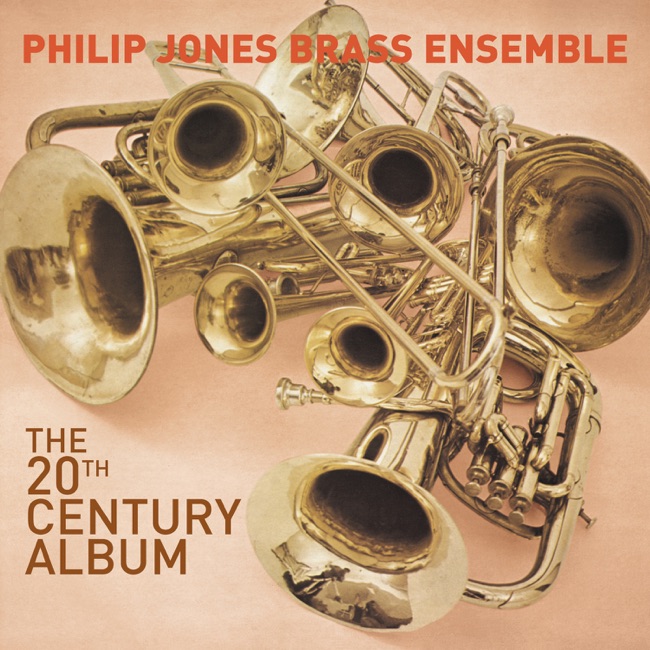 February 26, 2002
 -
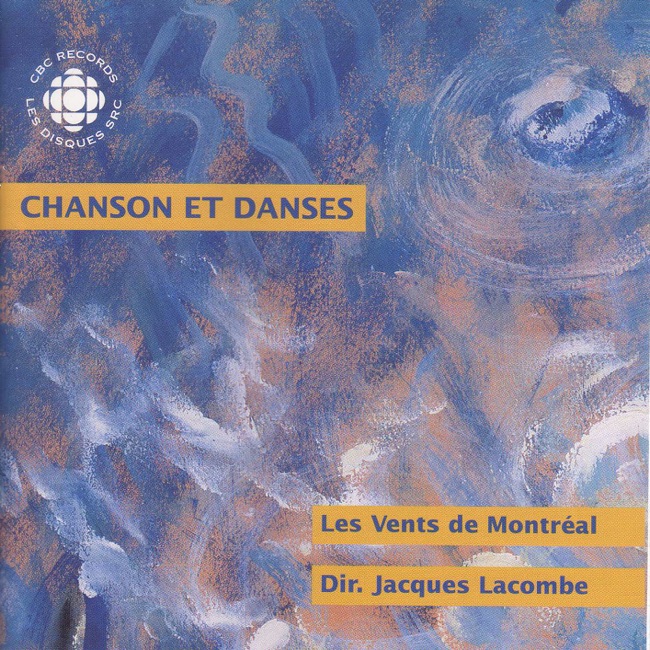 July 1, 2001
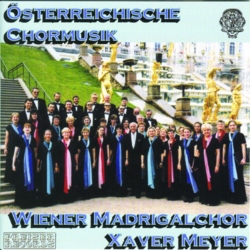
Choral
-
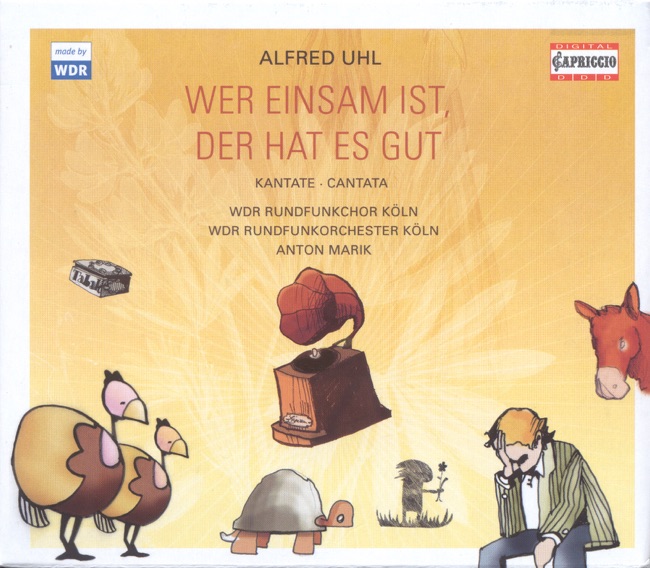 August 1, 2005
 -
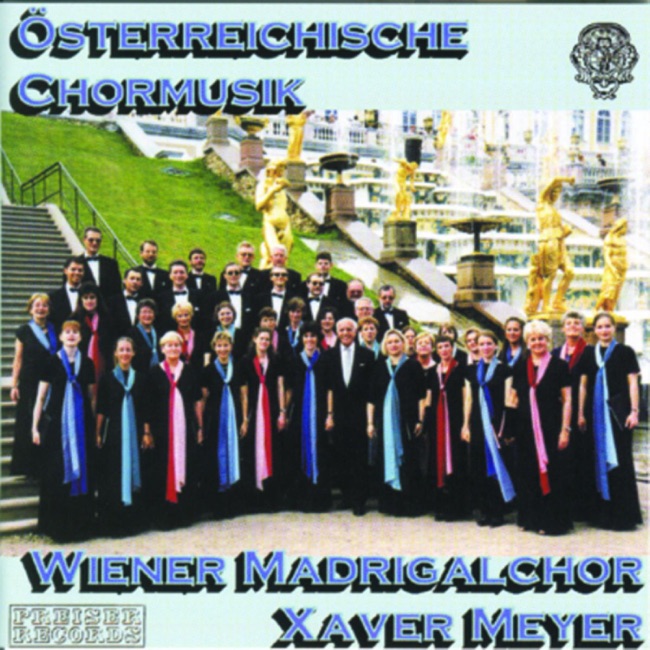 May 29, 2001
Artist Info
Role:ComposerCountry: AustriaBirth:June 5, 1909Death:1992Period:BaroqueContemporaryGenre:ChamberChoralAlfred Uhl was a prominent Austrian composer and clarinetist who made significant contributions to the world of classical music. Born on June 24, 1909, in Vienna, Austria, Uhl showed an early interest in music and began playing the clarinet at a young age. He received his formal education at the Vienna Academy of Music, where he studied composition with Joseph Marx and clarinet with Franz Schalk. Uhl's early career was marked by his work as a clarinetist, performing with various orchestras and ensembles throughout Austria. He also began composing during this time, and his first major work, the Clarinet Sonata, was premiered in 1935. This piece showcased Uhl's unique style, which blended elements of traditional classical music with more modern and experimental techniques. Throughout the 1930s and 1940s, Uhl continued to compose and perform, gaining a reputation as one of Austria's most promising young musicians. He also began teaching at the Vienna Academy of Music, where he would remain for the rest of his career. In 1948, Uhl was appointed professor of composition at the academy, a position he held until his retirement in 1974. Uhl's compositions during this period were marked by their diversity and experimentation. He wrote works for a variety of instruments and ensembles, including chamber music, orchestral pieces, and operas. Some of his most notable works from this time include the String Quartet No. 1, the Symphony No. 1, and the opera Der Sturm. In the 1950s and 1960s, Uhl's music began to incorporate more avant-garde techniques, such as serialism and aleatoric music. He also became interested in electronic music, and his piece Klangfiguren II was one of the first works to use electronic sounds in a live performance. Despite his experimentation with new techniques, Uhl's music remained firmly rooted in the classical tradition. His works were marked by their clarity and precision, as well as their emotional depth and expressiveness. He was particularly skilled at writing for the clarinet, and many of his compositions for the instrument are still performed and recorded today. One of Uhl's most famous works is the Divertimento for Wind Quintet, which was composed in 1955. This piece is a lively and playful work that showcases Uhl's skill at writing for wind instruments. It has become a staple of the wind quintet repertoire and is still performed frequently today. Another notable work by Uhl is the Clarinet Concerto, which was composed in 1956. This piece is a virtuosic showcase for the clarinet, and it has become one of the most popular concertos for the instrument. It is known for its lyrical melodies and technical challenges, and it has been recorded by many of the world's leading clarinetists. Uhl's music has been praised for its clarity, precision, and emotional depth. He was a master of orchestration, and his works are known for their rich and colorful textures. He was also a skilled melodist, and many of his compositions are marked by their beautiful and memorable themes. In addition to his work as a composer, Uhl was also a respected teacher and mentor. He taught many of Austria's most prominent composers, including Friedrich Cerha and Kurt Schwertsik. His influence can be heard in the work of many contemporary composers, and his legacy continues to inspire new generations of musicians. Alfred Uhl died on November 8, 1992, in Vienna, Austria.More....

Copyright Ⓒ 2013 Davinci Finger. All rights reseved
Service Terms & Policy