


Ulvi Cemal Erkin
Released Album
Keyboard
-
 March 19, 2021
 -
 October 11, 2003
 -
 October 7, 2000
 -
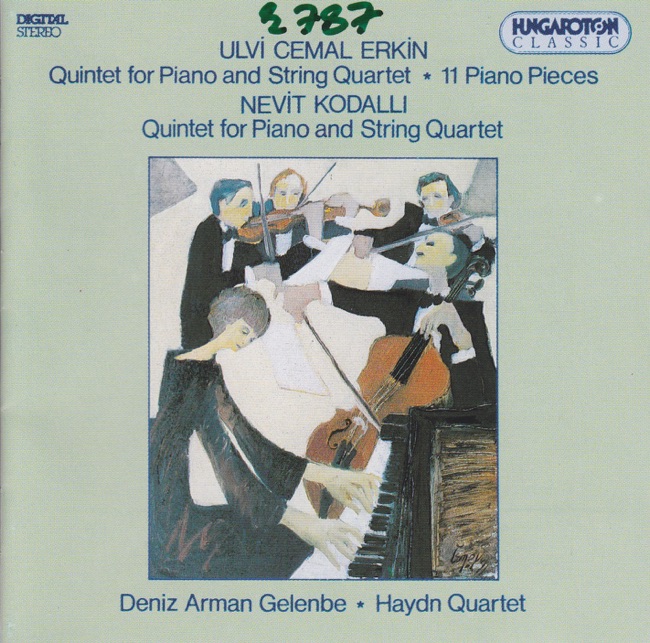
Concerto
-
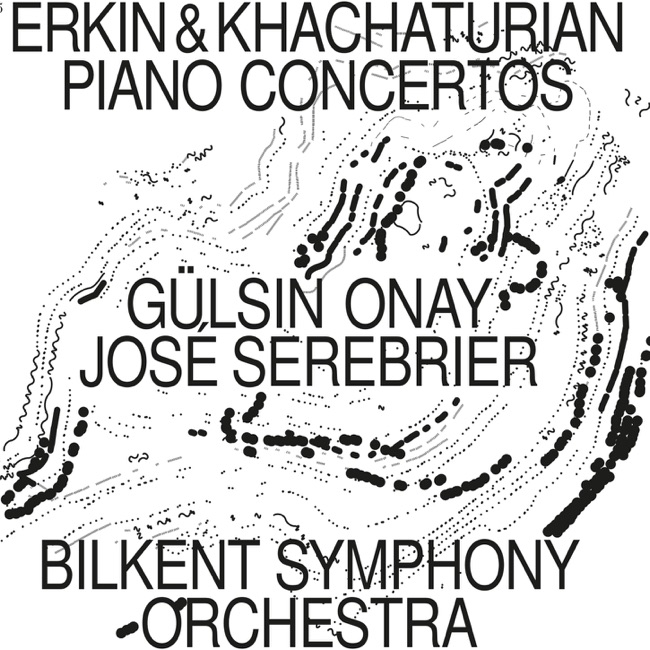 October 1, 2021
 -
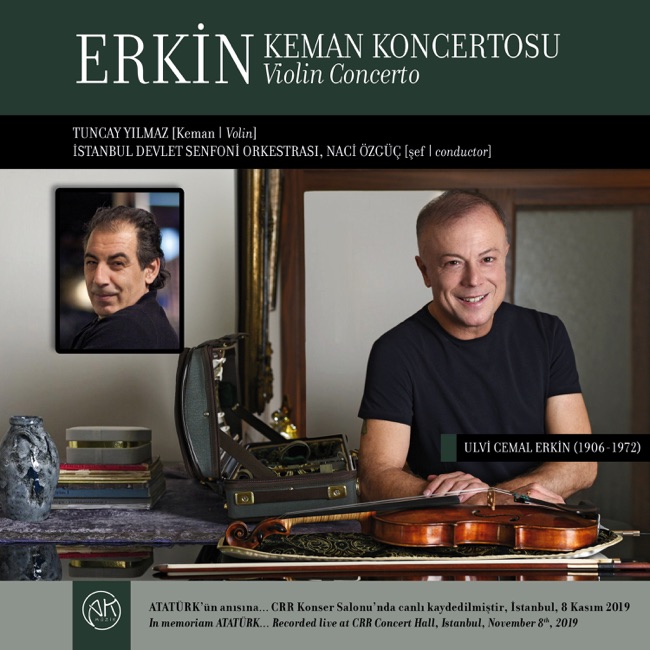 December 25, 2020
Chamber
-
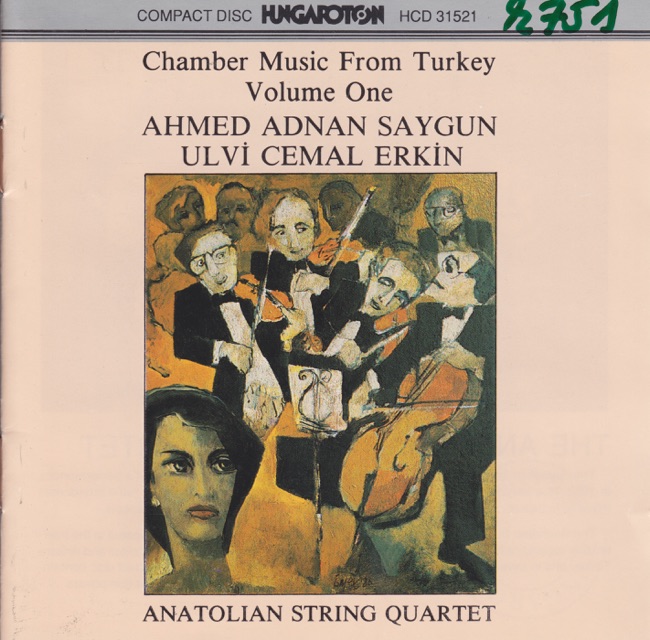 October 11, 2003
Orchestral
-
 April 25, 2000
Artist Info
Role:ComposerBirth:March 14, 1906Death:September 15, 1972Period:ModernGenre:KeyboardUlvi Cemal Erkin was a prominent Turkish composer who made significant contributions to the development of classical music in Turkey. He was born on March 14, 1906, in Istanbul, Turkey, to a family of musicians. His father, Cemal Bey, was a renowned composer and conductor, and his mother, Nazli Hanım, was a pianist. Erkin grew up in a musical environment and started playing the piano at a young age. Erkin received his primary education at the Galatasaray High School in Istanbul, where he was introduced to Western classical music. He continued his musical education at the Istanbul Conservatory, where he studied composition with Cemal Reşit Rey, one of the most prominent Turkish composers of the time. Erkin also studied piano with Ferdi Statzer, a German pianist who had settled in Istanbul. Erkin's early compositions were influenced by the Western classical music tradition, particularly the works of Beethoven, Brahms, and Debussy. However, he was also interested in Turkish folk music and began incorporating elements of Turkish music into his compositions. In 1929, he won a scholarship to study composition in Paris, where he studied with Nadia Boulanger, a renowned French composer and teacher. During his time in Paris, Erkin was exposed to a wide range of musical styles, including jazz and contemporary classical music. Erkin returned to Turkey in 1931 and began working as a composer and conductor. He was appointed as the conductor of the Istanbul Municipal Orchestra in 1934, a position he held for over 20 years. During this time, he also taught composition at the Istanbul Conservatory and served as its director from 1950 to 1956. Erkin's compositions during this period were characterized by a fusion of Western classical music and Turkish folk music. He was particularly interested in the rhythms and melodies of Turkish music and incorporated them into his compositions in innovative ways. Some of his most famous works from this period include the "Köçekçe" Suite, the "Anatolian Sketches," and the "Symphonic Dances." The "Köçekçe" Suite, composed in 1935, is a collection of five pieces based on the traditional Turkish dance form known as köçek. The suite is notable for its use of Turkish rhythms and melodies, as well as its incorporation of Western classical forms such as the minuet and the gavotte. The "Anatolian Sketches," composed between 1936 and 1943, is a collection of four orchestral pieces inspired by the landscapes and folk music of Anatolia, the central region of Turkey. The pieces are characterized by their use of Turkish rhythms and melodies, as well as their incorporation of Western classical forms such as the rondo and the sonata. The "Symphonic Dances," composed in 1949, is a suite of four pieces based on traditional Turkish dances. The suite is notable for its use of Turkish rhythms and melodies, as well as its incorporation of Western classical forms such as the fugue and the passacaglia. Erkin's compositions were well-received in Turkey and helped to establish a distinct Turkish classical music tradition. He was also recognized internationally, winning awards and accolades for his work. In 1951, he was awarded the State Artist title by the Turkish government, and in 1953, he won the UNESCO International Rostrum of Composers award for his "Symphonic Dances." Erkin continued to compose and teach until his death in 1972.More....
Recent Artist Music
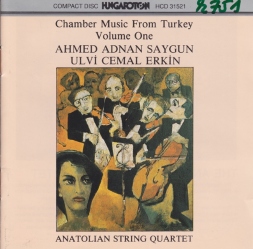



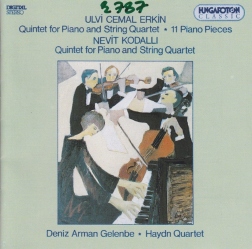




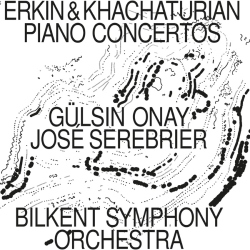
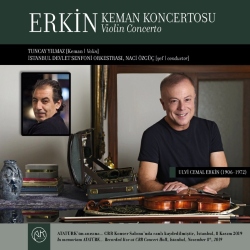
Recommend Playlist


Copyright Ⓒ 2013 Davinci Finger. All rights reseved
Service Terms & Policy