


Gerard Schurmann
Released Album
Orchestral
-
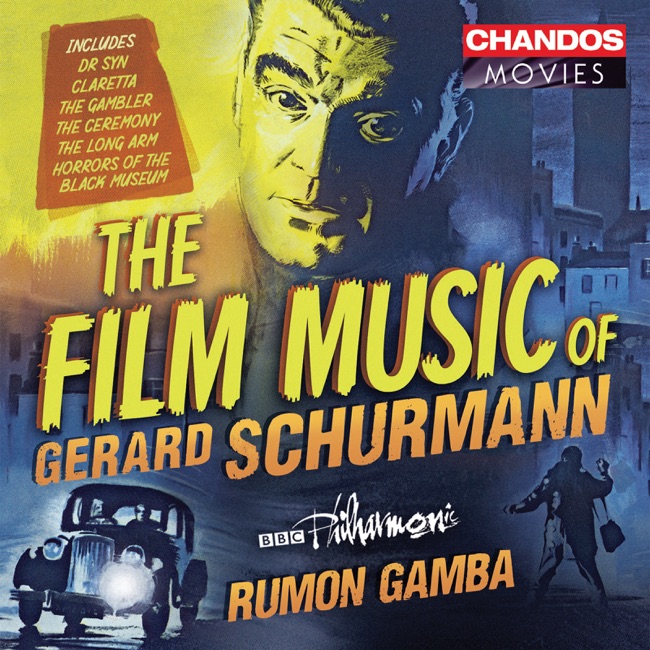 July 5, 2019
 -
-
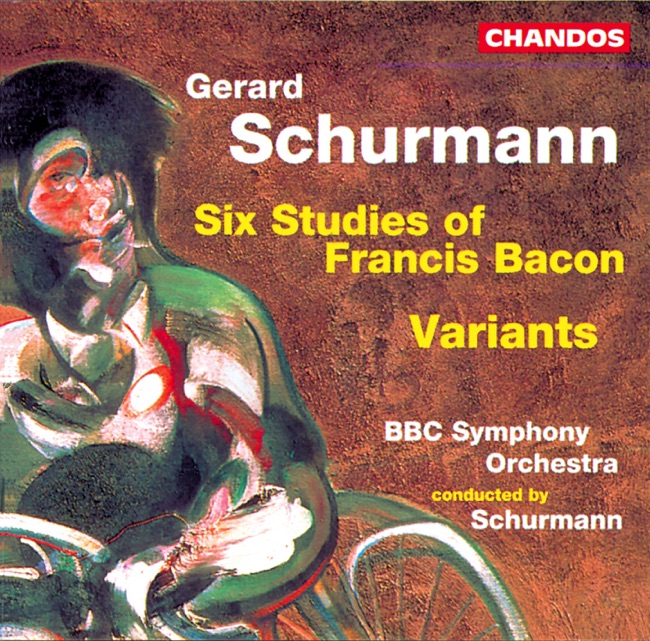 September 1, 2013
 -
 September 1, 2013
 -
 January 1, 1979
Chamber
-
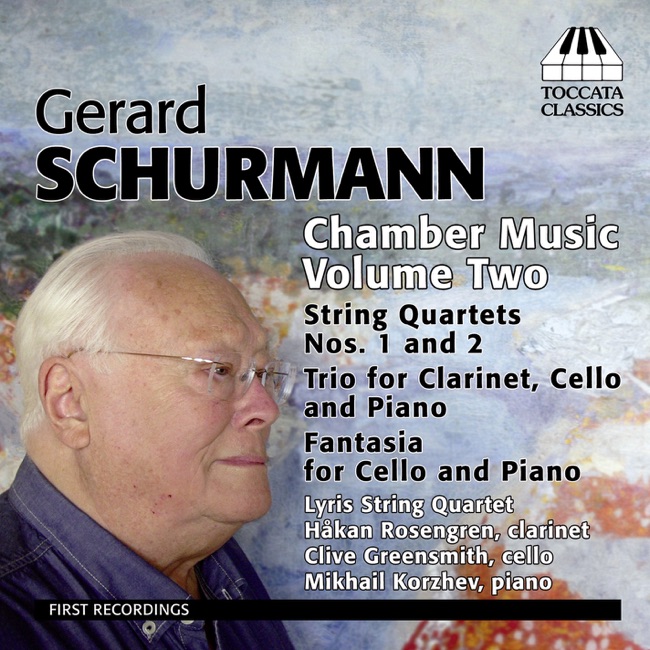 March 31, 2014
Keyboard
-
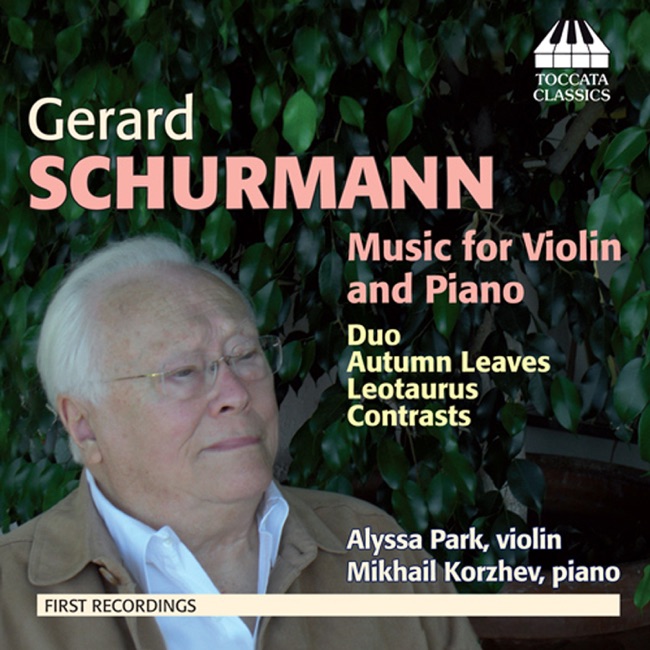 March 5, 2012
Artist Info
Role:Composer ConductorCountry: United KingdomBirth:1924 in Dutch East IndiesGenre:ChamberConcertoFilmOrchestralGerard Schurmann was a British composer of classical music, born on January 13, 1924, in the Dutch East Indies (now Indonesia). He was the son of a Dutch father and an English mother, and his family moved to England when he was a child. Schurmann showed an early interest in music and began studying the piano at the age of six. He later studied composition with Benjamin Britten and Lennox Berkeley at the Royal College of Music in London. Schurmann's early works were influenced by the neoclassical style of Stravinsky and Hindemith, but he later developed his own distinctive voice. His music is characterized by its lyricism, rhythmic vitality, and colorful orchestration. He was also known for his use of non-Western musical elements, which he incorporated into his compositions in a subtle and sophisticated way. Schurmann's career as a composer spanned over six decades, and he wrote music for a wide range of genres, including orchestral works, chamber music, opera, ballet, and film scores. He was also a respected conductor and music educator, serving as the director of the music department at the University of California, Los Angeles (UCLA) from 1968 to 1976. One of Schurmann's early successes was his Concerto for Piano and Orchestra, which was premiered by the BBC Symphony Orchestra in 1951. The piece is notable for its virtuosic piano writing and its use of jazz and blues elements. Schurmann's Symphony No. 1, which was premiered by the London Symphony Orchestra in 1955, is another important early work. The symphony is in three movements and features a richly orchestrated and highly expressive score. In the 1960s, Schurmann began to incorporate non-Western musical elements into his compositions. His String Quartet No. 2, which was premiered in 1963, features a second movement that is based on Indian raga scales. Schurmann's opera, The Visitation, which was premiered in 1966, also incorporates Indian musical elements, as well as elements of Balinese gamelan music. Schurmann's film scores were also an important part of his career. He wrote music for over 100 films, including The Bedford Incident (1965), The Day of the Jackal (1973), and The Golden Voyage of Sinbad (1973). His score for The Bedford Incident, a Cold War thriller starring Richard Widmark, is particularly notable for its use of electronic music and its tense, atmospheric quality. In the 1980s and 1990s, Schurmann continued to write music for a variety of genres. His Symphony No. 2, which was premiered by the Royal Philharmonic Orchestra in 1981, is a powerful and emotionally charged work that features a large orchestra and a choir. Schurmann's ballet, The Winter's Tale, which was premiered by the Royal Ballet in 1992, is another important work from this period. The ballet is based on Shakespeare's play of the same name and features a score that is both lyrical and dramatic. Schurmann's later works include his Symphony No. 3, which was premiered by the BBC Symphony Orchestra in 2000, and his String Quartet No. 3, which was premiered in 2003. Both works are characterized by their richly textured and highly expressive scores. Throughout his career, Schurmann received numerous awards and honors for his contributions to music. He was made a Commander of the Order of the British Empire (CBE) in 1987 and was awarded the Gold Medal of the Royal Philharmonic Society in 2008. He also received an honorary doctorate from the University of Sussex in 1995.More....
Recent Artist Music
1
28:45
7
2:14
8
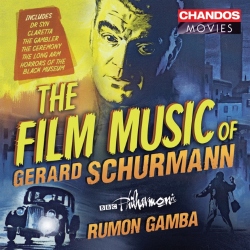
Tailing the Suspect (from the movie 'The Long Arm')
Tailing the Suspect from The Long Arm for Orchestra
1:56
Copyright Ⓒ 2013 Davinci Finger. All rights reseved
Service Terms & Policy