


Amanda Harberg
Released Album
Chamber
-
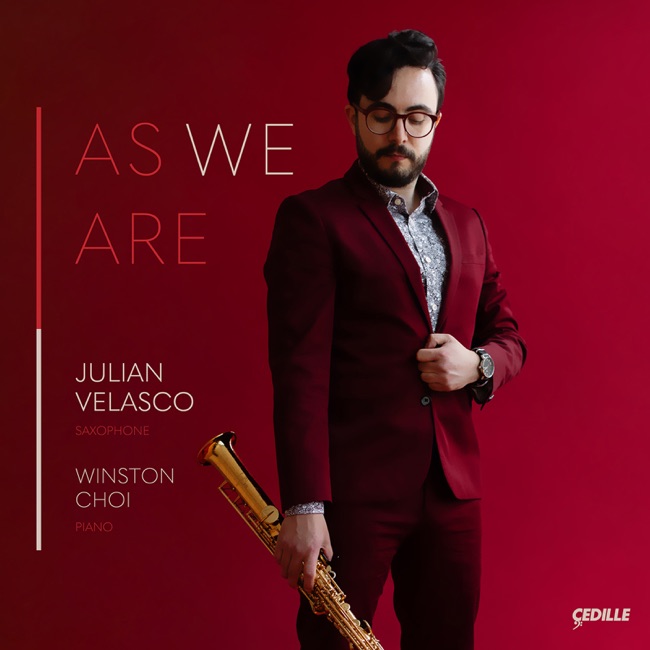 August 19, 2022
 -
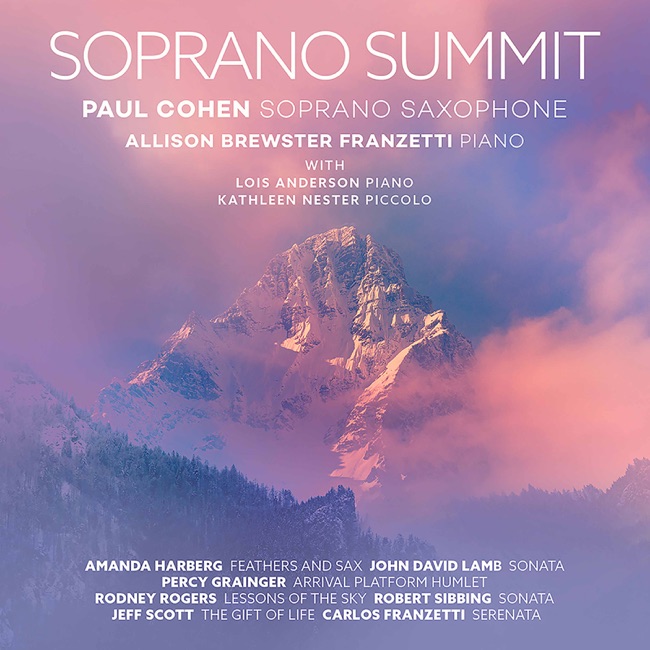 January 28, 2022
 -
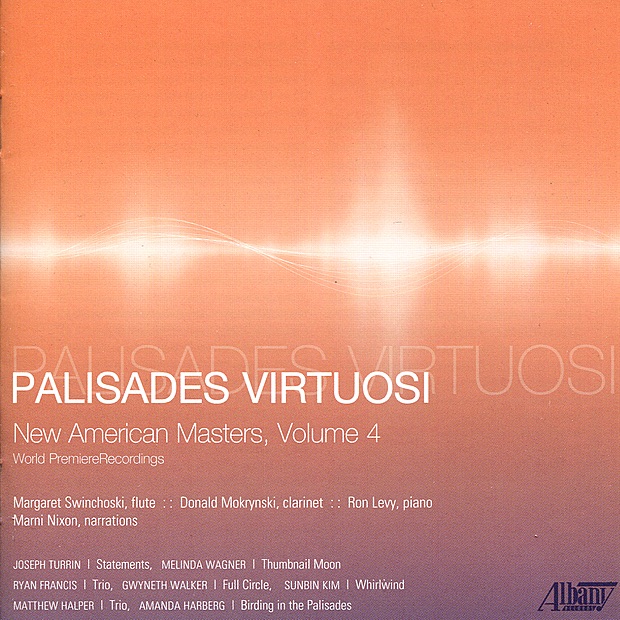 March 13, 2012
Vocal
-
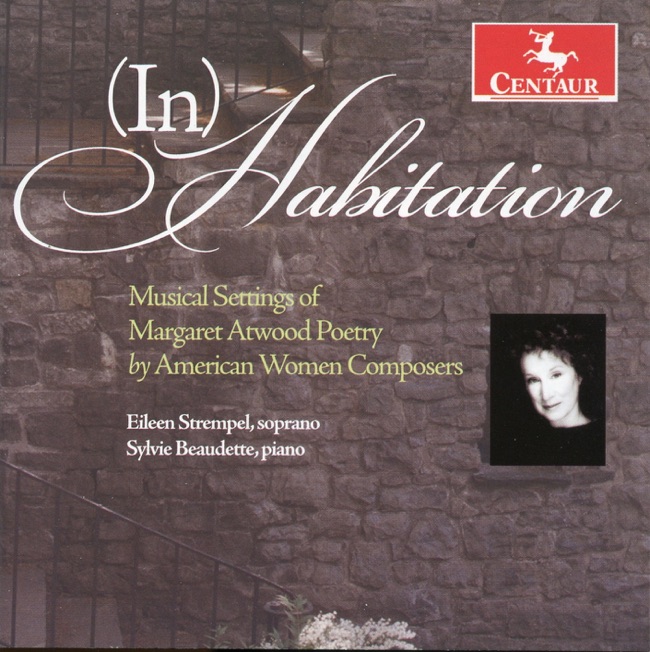 March 30, 2010
Keyboard
-
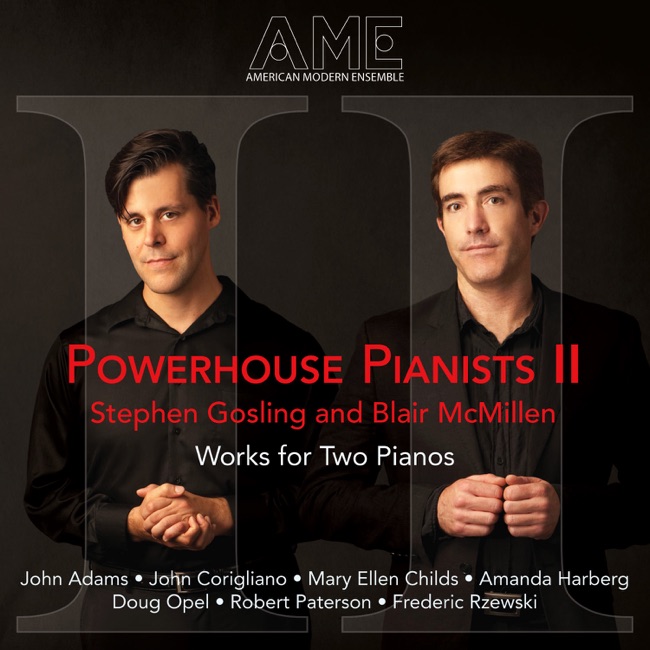 March 31, 2015
Concerto
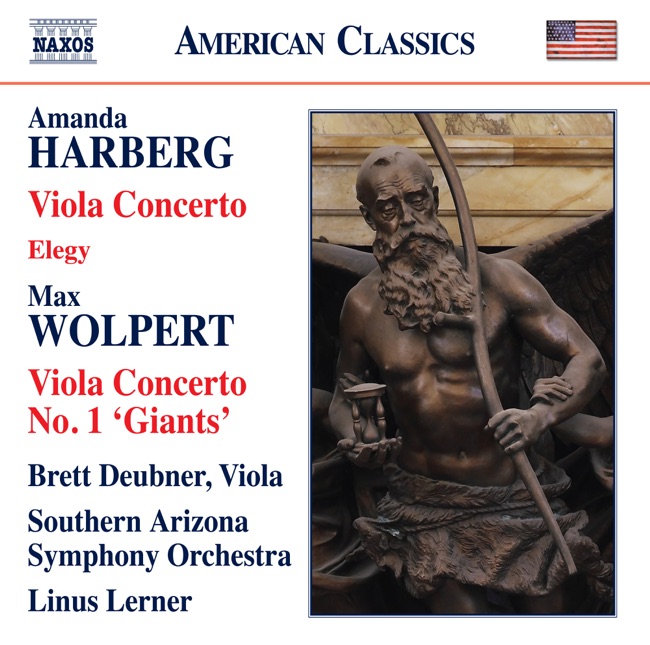
Artist Info
Role:ComposerGenre:ChamberAmanda Harberg is a contemporary American composer who has gained recognition for her works in the classical music genre. Born in 1973 in Philadelphia, Pennsylvania, Harberg grew up in a family of musicians. Her father was a professional violinist, and her mother was a pianist. Harberg began playing the piano at the age of four and later learned to play the flute and the violin. Harberg's early exposure to music and her family's musical background played a significant role in shaping her interest in music composition. She attended the Curtis Institute of Music in Philadelphia, where she studied composition with Richard Danielpour and David Ludwig. She later earned a Doctor of Musical Arts degree in composition from the Juilliard School in New York City, where she studied with Robert Beaser. Harberg's compositions are known for their lyrical melodies, rich harmonies, and intricate textures. Her works often draw inspiration from nature, literature, and personal experiences. One of her most notable works is her Concerto for Viola and Orchestra, which was commissioned by the Philadelphia Orchestra and premiered in 2018. The concerto features a solo viola accompanied by a full orchestra and is divided into three movements. The first movement is marked by its energetic rhythms and virtuosic viola passages, while the second movement is more introspective and features a hauntingly beautiful melody. The final movement is a lively dance that showcases the viola's versatility and agility. Another notable work by Harberg is her Suite for Flute and Piano, which was commissioned by the National Flute Association and premiered in 2012. The suite is divided into four movements, each of which is inspired by a different aspect of nature. The first movement, "Butterfly," is a lively and playful piece that captures the fluttering movements of a butterfly. The second movement, "Rain," is a peaceful and contemplative piece that evokes the sound of raindrops falling on leaves. The third movement, "Wind," is a fast-paced and energetic piece that captures the swirling movements of the wind. The final movement, "Birds," is a joyful and celebratory piece that captures the chirping and singing of birds. Harberg's other works include chamber music, choral music, and solo pieces for various instruments. Her chamber music includes works for string quartet, piano trio, and woodwind quintet. Her choral music includes works for mixed choir, women's choir, and children's choir. Her solo pieces include works for piano, violin, cello, and guitar. Harberg's compositions have been performed by numerous orchestras and ensembles, including the Philadelphia Orchestra, the Dallas Symphony Orchestra, the Albany Symphony Orchestra, and the American Composers Orchestra. Her works have also been featured at music festivals such as the Aspen Music Festival, the Bowdoin International Music Festival, and the Norfolk Chamber Music Festival. In addition to her work as a composer, Harberg is also an active educator and advocate for music education. She has taught composition at the Juilliard School, the University of North Texas, and the University of Connecticut. She has also served as a mentor for young composers through programs such as the American Composers Orchestra's EarShot program and the New York Youth Symphony's Composition Program. Harberg's contributions to the classical music genre have earned her numerous awards and honors.More....

Copyright Ⓒ 2013 Davinci Finger. All rights reseved
Service Terms & Policy